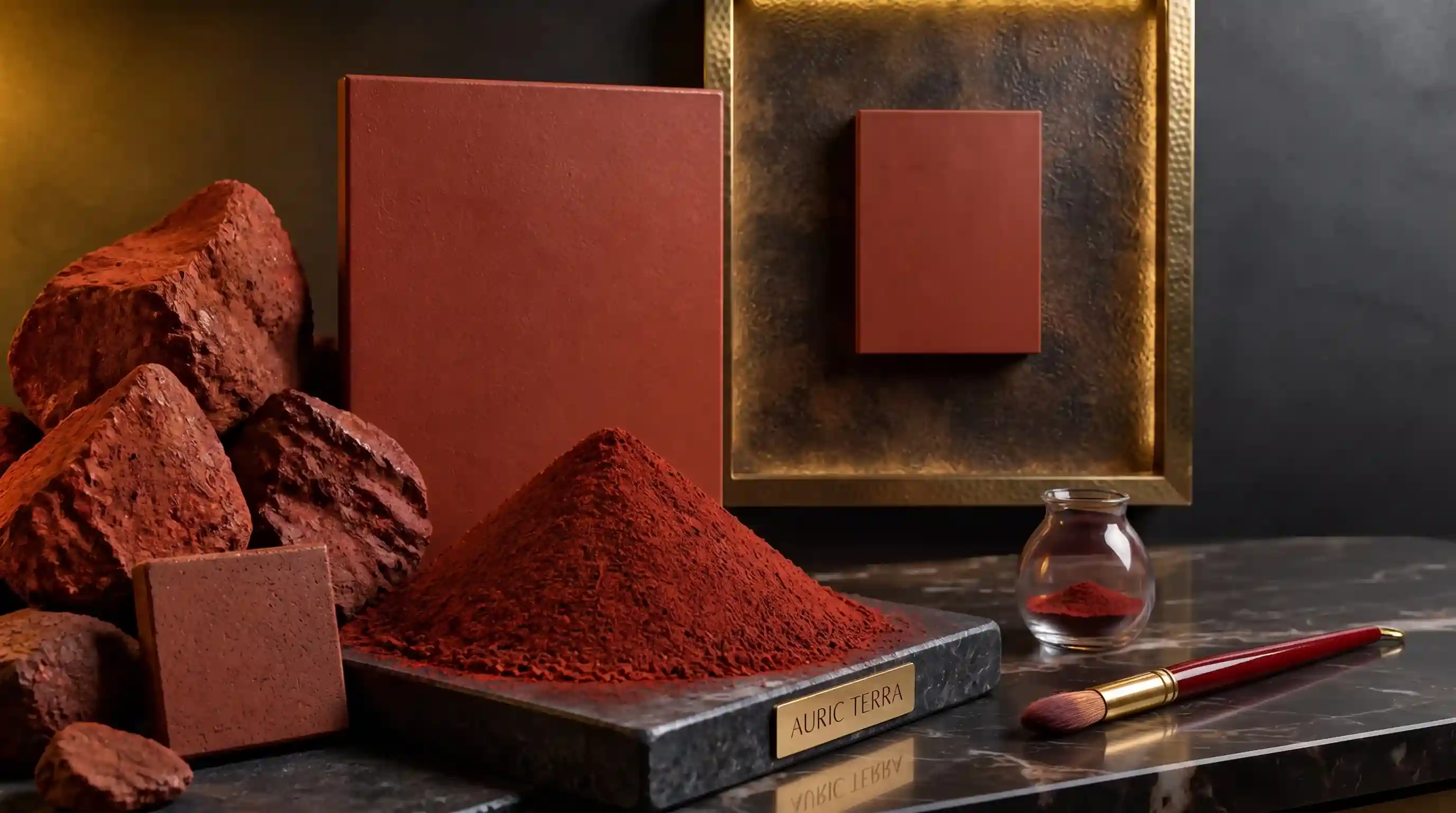
Environmental Impacts of Using Red Iron Oxide (Ochre)
Introduction to Red Iron Oxide (Ochre) and Its Environmental Importance
Examining the environmental impacts of minerals and mining is one of the vital topics in today's industrial world. The mineral material red iron oxide (ochre) is known as one of the most widely used pigments and additives in various industries. Due to its abundance in nature and specific physical and chemical properties, this material holds a special place in the industrial economy. Kani Sang Amiran project, as a mineral producer, plays an important role in meeting the needs of various industries by offering this product in the mesh range of 450 to 1500 mesh. Understanding the environmental dimensions of extracting and processing this material helps align sustainable development with the preservation of natural resources.
In this article, we comprehensively examine the ecological dimensions, life cycle, extraction processes, and applications of red iron oxide (ochre). This mineral compound exists in both natural and synthetic forms, and its mineral type undergoes the least amount of destructive chemical processes. Given the increasing importance of environmental standards, evaluating the carbon footprint and waste resulting from the processing of this pigment is of high importance for producers and consumers.
A detailed examination of the production and consumption cycle of minerals shows that using natural materials like ochre can be a suitable substitute for synthetic and toxic pigments. In upcoming Chapters, we will examine in detail the various dimensions of this phenomenon, including its impact on water, soil, air, and the material recycling cycle, to provide a clear picture of this mineral's interaction with the ecosystem.
Extraction and Processing Process of Red Iron Oxide (Ochre) and Its Initial Impacts on the Land
Mining is the first stage in the supply chain of any mineral. The extraction of red iron oxide (ochre) is usually carried out via open-pit mining, which has direct impacts on the regional topography and local habitats. However, by adhering to mining engineering principles and restoring pastures after the completion of operations, these negative impacts can be minimized. Kani Sang Amiran company always strives to cause minimal harm to the environment based on process optimization standards.
After the extraction stage, the ochre ore requires crushing, milling, and precise grading to reach the mesh range of 450 to 1500 mesh. These mechanical processes require electrical energy, and the associated energy consumption and greenhouse gas emissions form a significant part of the product's environmental footprint. By using modern equipment and optimizing energy consumption, these impacts can be controlled.
Ochre-containing soils have high stability due to their iron-rich compositions, but soil erosion during mining operations is one of the main challenges. Creating appropriate tailings dams, managing surface water flows, and preventing the washing of fine particles into groundwater resources are among the essential measures in this stage, which environmental experts monitor closely.
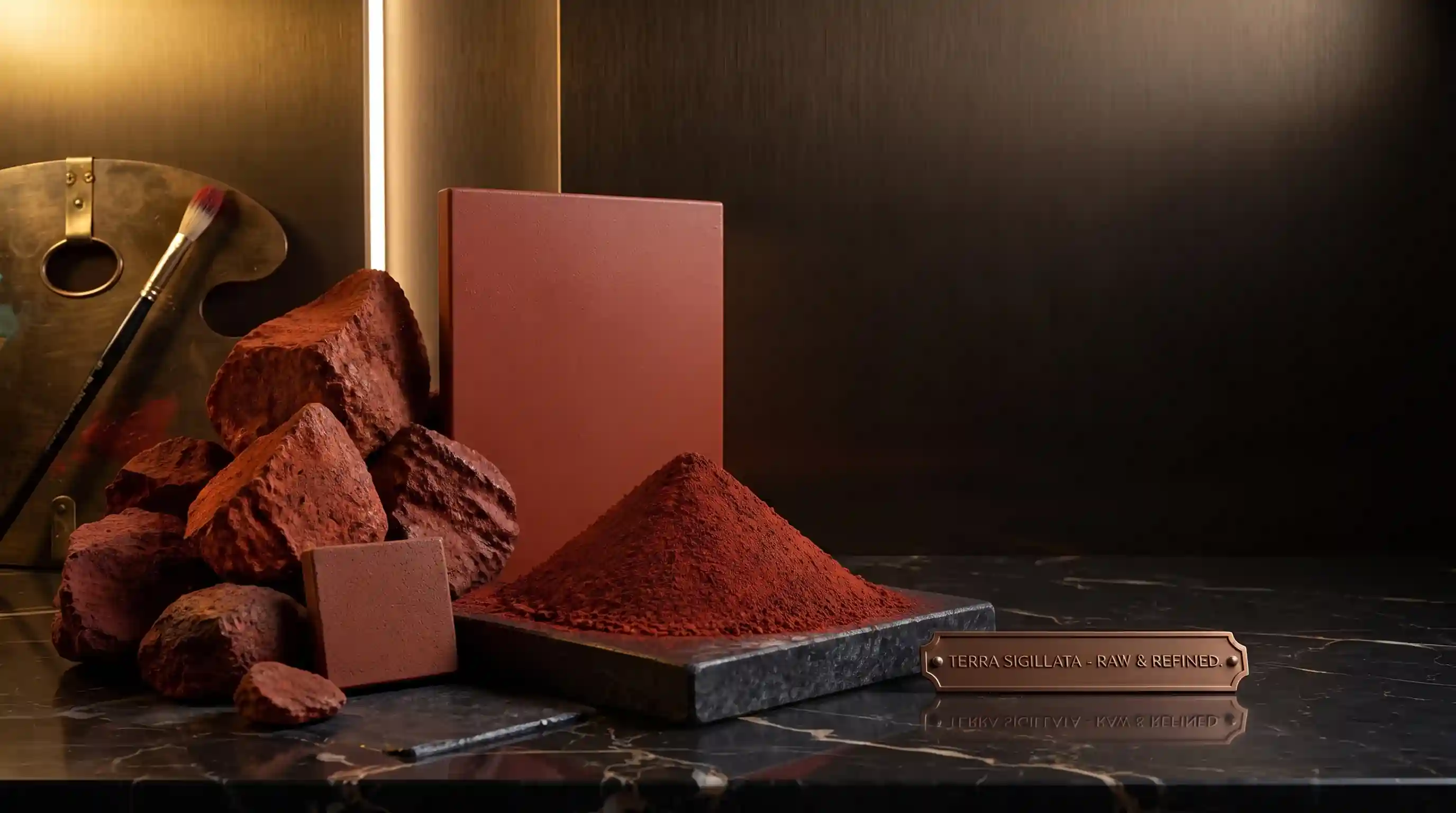
The Role of Red Iron Oxide (Ochre) as an Eco-Friendly Pigment in the Paint and Coating Industries
One of the main applications of this material is its use as a pigment in the paint and coating industries. Pigments based on red iron oxide (ochre) have exceptional lightfastness and do not degrade under ultraviolet (UV) solar radiation. This high stability means an increase in the lifespan of coatings and a reduction in the frequency of repainting needs, which in turn brings significant savings in resource consumption and a reduction in industrial waste.
Unlike many synthetic chemical and organic pigments that may contain toxic heavy metals or volatile organic compounds (VOCs), the mineral type of this material has high chemical stability and causes less pollution. This feature has led building and industrial coating manufacturing industries to have a greater tendency to use this natural pigment in order to comply with strict environmental standards.
In addition, the proper dispersion of particles within the mentioned mesh range improves coverage and reduces the overall paint consumption per unit area. This optimization in the final formulation reduces the amount of raw materials consumed and consequently significantly moderates the environmental load of the entire coating production cycle.
Application in the Cement and Ceramic Products Industry and Its Ecological Consequences
The cement and ceramic industries are other major consumers of this mineral. Adding red iron oxide (ochre) to cement not only imparts a beautiful color and stability to concrete and cement products, but in some cases helps improve the physical properties and setting speed of cement. This widespread application makes the final products more durable against weather conditions and increases the life cycle of structures.
In the ceramic industry, this material is used as a coloring agent in the body and glaze of tiles and ceramics. The high thermal stability of this compound allows it to be used in high-temperature firing kilns without destructive structural changes. Thermal stability means a reduction in production waste in ceramic factories, which directly helps protect the environment.
Furthermore, the use of local mineral raw materials in the ceramic and cement industry reduces transportation costs and consequently lowers greenhouse gas emissions resulting from logistics. By supplying this high-quality mineral powder, Kani Sang Amiran company provides a sustainable supply chain for manufacturers in these industries. In this regard, a closer examination of the ancillary applications of this material in related industries such as How is red iron oxide (ochre) used in brick manufacturing? reveals new dimensions of energy and material consumption optimization.
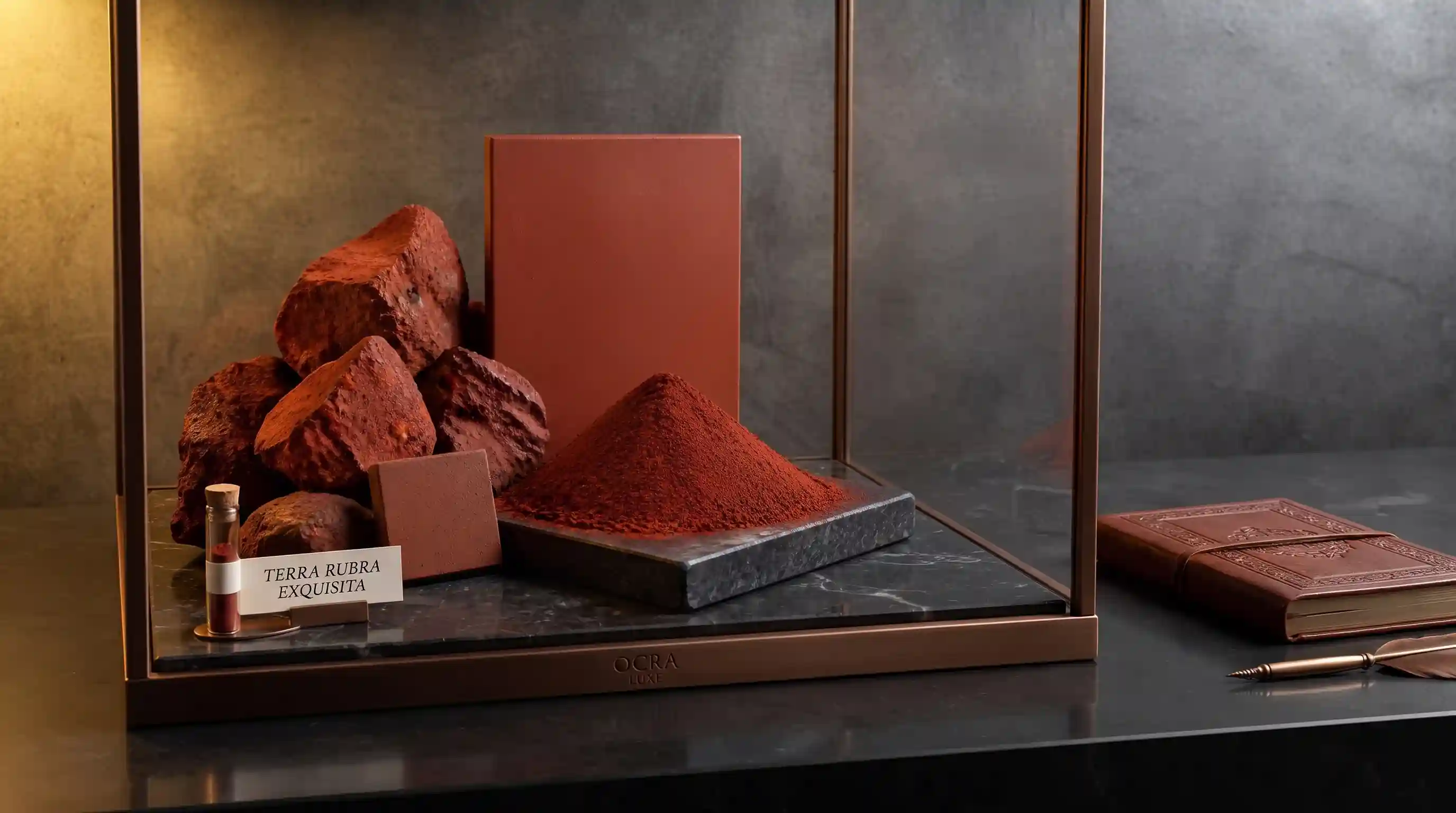
Comparison of the Environmental Impacts of Natural Red Iron Oxide (Ochre) Versus Synthetic Pigments
Life Cycle Assessment (LCA) shows that natural minerals usually have a lower environmental burden compared to their synthetic counterparts. The production of synthetic iron pigments requires complex chemical processes, high consumption of acids and bases, and the generation of hazardous industrial wastewater. In contrast, the processing of red iron oxide (ochre) mainly involves mechanical stages such as crushing and particle size sorting.
This fundamental difference in the production process means that the amount of toxic wastewater generation and fossil energy consumption is much lower in the natural type. However, it should be noted that micronization processes to reach high meshes (such as 1500 mesh) require considerable electrical energy, making the optimization of milling equipment a necessity.
The smart selection of natural raw materials by industries not only helps preserve non-renewable resources, but also demonstrates companies' commitment to social responsibility and environmental preservation. The products offered by the Kani Sang Amiran project, relying on their natural origin, possess the necessary standards for ecosystem compatibility.
Waste Management, Recycling, and Sustainability in the Red Iron Oxide (Ochre) Supply Chain
Waste management in mineral and processing industries is one of the main pillars of sustainable development. Fine particles resulting from grading and micronization operations of red iron oxide (ochre), if not properly controlled, can cause workshop air pollution and respiratory problems for workers. Therefore, the use of industrial dust collection systems (Baghouse) and advanced filters in processing plants is of vital importance.
The recycling of products containing this pigment also has interesting dimensions. Since iron oxide is a chemically stable compound, construction materials and coatings containing it can be recycled or re-crushed as sub-base materials after the end of the structure's useful life without introducing dangerous chemical pollution into the natural cycle.
In addition to the mentioned industries, this material also has limited applications in other specialized fields such as The role of red iron oxide (ochre) in glass manufacturing industries, where managing their consumption requires precision in purity and grading. Furthermore, examining specific applications such as The role of red iron oxide (ochre) in paper manufacturing industries shows that the environmental sustainability of this material is maintained across all consumption chains.
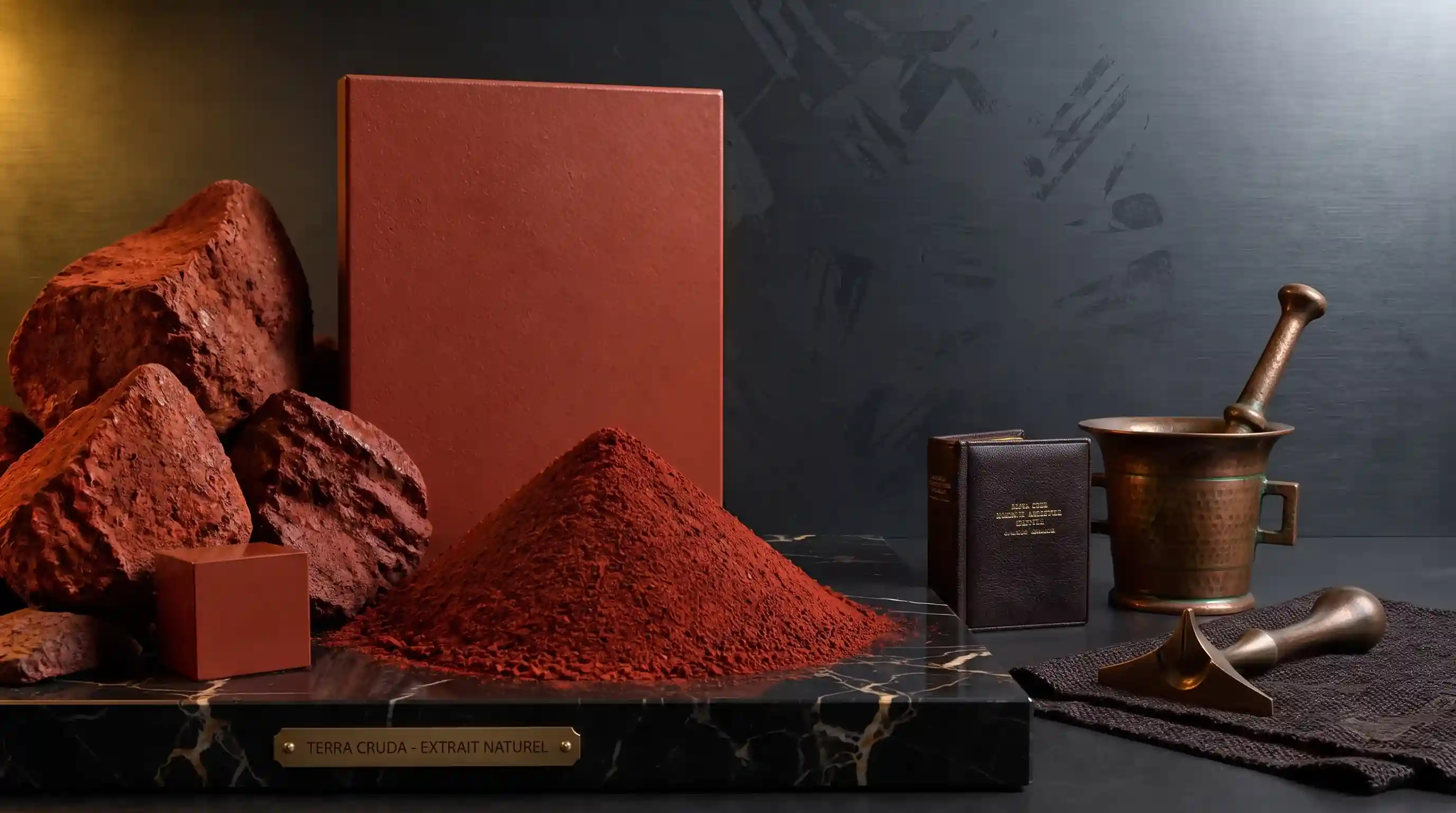
Standards and Environmental Safety Assessment of Red Iron Oxide (Ochre)
Compliance with international and national environmental safety and health standards is mandatory for all industrial minerals. Red iron oxide (ochre) is generally recognized as a non-toxic substance for plants and animals, but its long-term dust inhalation can create respiratory hazards. For this reason, workshop safety protocols are formulated and implemented to protect the health of the workforce and prevent the release of suspended particles into the surrounding environment.
Ecotoxicological tests have shown that this mineral pigment is insoluble in water and does not create dangerous bioaccumulation in aquatic ecosystems. This positive feature means that its use in industrial coatings and marine or structural constructions brings the least risk to water and soil resources.
Adhering to qualitative and environmental principles, Kani Sang Amiran company offers standard products in the mesh range of 450 to 1500 mesh that meet the needs of modern industries with the lowest carbon footprint and secondary pollution. Continuous quality control and transparency in technical specifications are considered effective steps toward industrial accountability.
Future Outlook and Modern Technologies in the Clean Exploitation of Red Iron Oxide (Ochre)
With the advancement of modern technologies and stricter environmental regulations worldwide, mineral industries are forced to move toward cleaner methods. Using energy-efficient equipment in industrial mills, improving the efficiency of magnetic separation systems, and striving to reduce waste are among the main approaches in the production of red iron oxide (ochre).
New research focuses on nanostructuring these pigments to maximize color and coating efficiency while consuming a smaller amount of mineral material. This significantly helps reduce the volume of extraction, lower fuel consumption in transportation, and ultimately better preserve natural resources.
By monitoring technological developments in the field of minerals, the Kani Sang Amiran project always strives to supply products to the market that align with today's ecological standards. Combining the craft of mining with green innovations guarantees a sustainable future for the use of this valuable material.
| Question |
Answer |
| What is red iron oxide (ochre)? |
It is a natural pigment and mineral substance used in the pigment, coating, cement, and ceramic industries. |
| What is the mesh range of this product? |
This product is produced and supplied in the mesh range of 450 to 1500 mesh. |
| Is ochre iron oxide dangerous for the environment? |
No, the natural type of this material is non-toxic, insoluble in water, and does not create dangerous chemical pollution. |
| What are the main applications of this mineral? |
Pigment, coating, cement, and ceramic products are its main applications. |
| What is the difference between natural ochre and synthetic pigment? |
The natural type does not have a complex chemical process and produces less toxic wastewater. |
| Is this product also used in the brick-making industry? |
Yes, it is used for coloring and improving properties in brick manufacturing. |
| What is the role of this material in the cement industry? |
In addition to creating a beautiful color, it helps improve the stability and durability of cement products. |
| Which entity is the producer of this product? |
Kani Sang Amiran Project — Mineral Production. |
| Is the dust of this material harmful to health? |
Long-term inhalation of any mineral dust is harmful, and the use of protective equipment is mandatory. |
| How can this product be procured? |
It can be ordered through the official product page on the Kani Sang Amiran project website. |
Environmental Impact Assessment of Mines and Mineral Industries, Specialized Publications of Mineralogy and Sustainable Development.
:: برچسبها:
Red Iron Oxide (Ochre) ,
Environmental Impacts of Using Red Iron Oxide (Ochre) ,
:: بازدید از این مطلب : 0
|
امتیاز مطلب : 0
|
تعداد امتیازدهندگان : 0
|
مجموع امتیاز : 0


 عضو شوید
 عضویت سریع
 آمار مطالب
 آمار بازدید


