
How to Choose the Best Type of Silica for the Factory?
How to Choose the Best Type of Silica for the Factory?
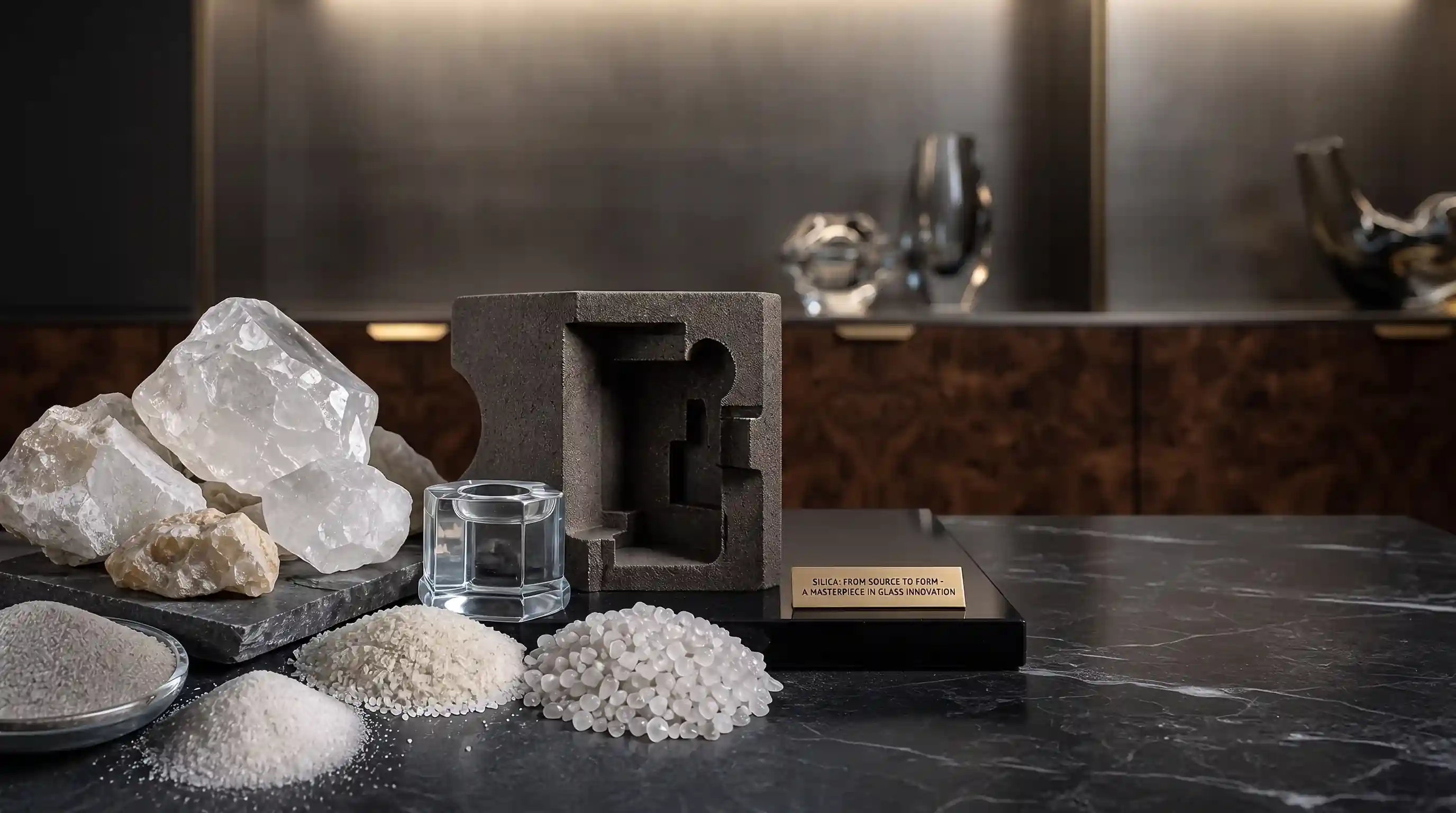
Introduction to the Importance of Silica Selection in Various Industries
Choosing the right raw material is one of the most vital decisions for any production manager or process engineer in industrial factories. Among widely used minerals, silica is recognized as one of the most strategic compounds in various industries. With its specific physical and chemical characteristics, this mineral plays a key role in improving the quality of final products. Accurately understanding the factory's needs and matching them with the technical specifications of raw materials is the first step toward optimizing production processes.
In modern industries, the quality and purity of minerals directly affect the production line efficiency and factory profitability. For example, in the glassmaking, foundry, ceramic, and building materials industries, using standard mineral stones and powders is of profound importance. Understanding these industrial needs, the Kani Sang Amiran project has taken action to supply and offer a variety of high-quality mineral products. To get more familiar with the product variety, you can visit the silica page and review its technical specifications.
In addition, a careful review of other applicable minerals in industries can also help managers make smarter choices. For example, reading the article Why Dolomite is the Industry's Best Choice by Kani Sang Amiran provides great insights regarding the simultaneous application of minerals in improving construction quality and related industries. In the rest of this article, we will examine various aspects of correctly selecting this applicable mineral so that you can make the best decision for your industrial unit.
The Key Role of Silica in the Glassmaking Industry
The glassmaking industry is considered one of the largest and most traditional consumers of silica worldwide. The unique characteristics of this material make the glass structure transparent, strong, and durable. Choosing the appropriate granulation and mesh of this material in the glass furnace has a direct impact on the melting point and homogeneity of the melt. Glass manufacturing factories are always looking for suppliers who can deliver uniform, impurity-free granulation in high volumes to them.
In the glass production process, the presence of this mineral acts as the main network forming the glass. Any impurities such as iron oxides can impart an undesirable color to the glass or reduce the final product quality. Therefore, purchasing managers of glass factories must pay special attention to its specifications when choosing this material. By offering standard products in various mesh ranges, the Kani Sang Amiran project well covers the needs of this sensitive industry.
Precise control of physical and granulation parameters in the glass production line prevents issues such as bubbling and inhomogeneity in the final product. For this reason, carefully selecting the type and mesh of this material among available options will guarantee the stability of the production line and reduce energy costs in melting furnaces. Understanding the properties of this material is the key to success in this industry.

Application of Silica in Foundry and Molding Industries
The foundry industry heavily depends on silica to manufacture sand molds and high-temperature resistant bodies. High boiling and melting points, excellent thermal stability, and suitable mechanical strength make this material an ideal choice for producing foundry molds. In this industry, the shape and size of grains have a significant impact on gas permeability and the surface quality of the cast part.
Foundry factories require raw materials that resist thermal shocks caused by molten metal injection without cracking or deforming. Using suitable meshes of this material in the molding sand composition improves mold strength and consequently reduces production waste. By supplying the mineral items required for foundries, the Kani Sang Amiran project has provided a suitable foundation for upgrading the quality of products in this field.
In addition, in similar industrial processes and related industries such as the production of lime and gypsum mineral products, precision in choosing raw materials plays a decisive role. For instance, accurately understanding other minerals such as industrial powders used in various industries can be a useful guide for metallurgy engineers. Reading the article How to Identify Original Calcium Carbonate Powder? also provides you with valuable tips on quality control of powdered raw materials.
The Importance of Silica in Ceramic and Tile Manufacturing Industries
Ceramic and tile manufacturing industries are other fields that account for a major consumption of silica. This material plays a role as the main component in ceramic body fabrication and also in glaze-making compounds. The presence of this material in the ceramic body reduces firing shrinkage, increases dimensional stability, and improves the mechanical strength of the final product.
In ceramic glaze formulations, the granulation and purity of this material determine the glossiness, hardness, and chemical resistance of the tile surface. Ceramic manufacturing factories must source their mineral products from sources with stable and consistent chemical analysis. Fluctuations in raw material quality can lead to issues such as tile warping or glaze peeling.
By offering mineral products tailored to the standards of the ceramic industry, the Kani Sang Amiran project has alleviated factories' concerns regarding the supply of high-quality raw materials. By examining different meshes of this material, quality control engineers can select the best combination for wall, floor, and porcelain tile production lines to achieve the highest productivity.
Silica in Building Materials and Industrial Civil Engineering
Modern building materials heavily rely on high-quality minerals, and silica is one of the main pillars in the production of high-strength concrete, dry mortars, tile adhesives, and various construction coatings. The precise granulation of this material significantly helps improve adhesion, increase compressive strength, and reduce the permeability of concrete structures.
In large civil projects and ready-mix concrete and cement product manufacturing factories, the correct selection of raw materials directly affects the durability of the structure against weathering and chemical agents. Impurities present in raw materials can cause harmful reactions such as alkali-silica reaction; therefore, the purity and quality standards of this material are of vital importance.
Advanced building materials manufacturing factories always require the supply of high tonnages with uniform technical specifications. Understanding this necessity, the Kani Sang Amiran project has provided a platform so that civil industries can procure their required mineral materials with complete confidence in terms of quality and supply continuity and apply them in their construction projects.
Examining the 10 to 450 Mesh Range and Its Applications
One of the most important parameters in choosing silica for factories is examining the mesh range, which is the grain sizing of the product. This material is produced and supplied in a wide range of 10 to 450 mesh, each of which has a specific application in various industries. Coarser grains (lower meshes such as 10 to 40) are usually used in foundry, water treatment, and building materials industries, while very fine powders (high meshes such as 200 to 450) are used in ceramics, specialized glass production, and paint manufacturing.
Choosing the wrong mesh can disrupt the entire production process. For example, if coarse grains are used in ceramic glaze manufacturing, the final surface will be uneven, and if very fine powder is used in foundry, gas permeability will be lost and the cast part will suffer from defects. Therefore, accurately understanding the production line's needs and matching them with the product's technical specifications is essential.
Purchasing managers and technical officers of factories must order the appropriate mesh according to their grinding and mixing equipment type. By offering this product in the 10–450 mesh range, the Kani Sang Amiran project has left craftsmen free to choose the most accurate granulation to experience the highest efficiency in their production lines.

Guide to Bulk Ordering and Sustainable Supply for Large Factories
Continuous and uninterrupted supply of raw materials is the main challenge for managers of large industrial factories. When it comes to bulk purchasing of minerals such as silica, multiple factors such as quality stability in high tonnages, packaging type, logistics speed, and payment terms become important. Precise planning for warehousing and supply chain management can prevent production line stoppages.
Large factories need to sign long-term contracts with reputable suppliers to ensure price and quality stability. Furthermore, reviewing quality analyses and Certificates of Analysis (COA) for each dispatched shipment is one of the quality management requirements in advanced industries. By providing the necessary infrastructure for bulk supply, the Kani Sang Amiran project responds to the needs of various industries.
Along these lines, to get familiar with the standards for bulk ordering heavy and industrial mineral materials, reading the article White Barite Bulk Order Guide for Large Factories also provides purchasing managers with very practical and similar tips regarding logistics and industrial supply, which can be extremely useful in optimizing the purchasing process.
Conclusion and Final Checklist for Choosing the Best Type of Silica
In this article, we examined various aspects of selecting silica for glass, foundry, ceramic, and building materials factories. It became clear that correct mesh selection (from 10 to 450 mesh), attention to chemical purity, and matching technical features with production line needs are three fundamental principles in industrial success. Purchasing from reputable suppliers guarantees the reduction of waste and an increase in final product quality.
As a final checklist, purchasing managers and quality control officers of factories must carefully review the following items before finalizing their order: 1. Accurately determining the final product application (glass, foundry, ceramic, or materials); 2. Specifying the required mesh range according to production line equipment; 3. Examining the chemical analysis and impurity levels; 4. Ensuring continuity and stability of supply by the supplier.
With years of experience in producing and supplying high-grade mineral materials, the Kani Sang Amiran project is ready to cooperate with all industrial units and factories in the country. By visiting the dedicated product page and communicating with technical experts, you can choose the best and most appropriate type of material for your factory and take a confident step toward elevating the quality of your industrial production.
| Question | Answer |
|---|---|
| What is silica and what are its applications? | Silica is a mineral that finds abundant applications in glassmaking, foundry, ceramic, and building materials industries. |
| What is the mesh range of Kani Sang Amiran silica? | This product is produced and supplied in the range of 10 to 450 mesh. |
| Why is choosing the right mesh important in foundry? | The right mesh maintains gas permeability, mold strength, and reduces waste in cast parts. |
| Does silica quality affect glass transparency? | Yes, high purity and the absence of iron oxides are extremely vital for the quality and transparency of the final glass. |
| How can one choose the suitable silica for the factory? | Based on the type of industry (glass, ceramic, foundry), required mesh range, and chemical analysis, the best type can be chosen. |
| What is the role of silica in ceramic industries? | It is used in ceramic body manufacturing to reduce firing shrinkage and in glazes to improve hardness and glossiness. |
| Is this product also used in building materials? | Yes, it is used in the production of high-strength concrete, dry mortars, and tile adhesives. |
| How can a bulk order be placed? | Factories can place bulk orders and receive technical consultation by communicating with the Kani Sang Amiran project. |
| Is the stability of raw material supply guaranteed for large factories? | The Kani Sang Amiran project possesses the necessary infrastructure for the continuous and bulk supply of mineral materials. |
| Where can more precise specifications be viewed? | By visiting the silica product page on the Kani Sang Amiran website, you can view complete information. |
Kani Sang Amiran Project — Specialized reference for the production and supply of industrial mineral materials.














ورود کاربران
خوش آمدید! لطفا وارد حساب خود شوید