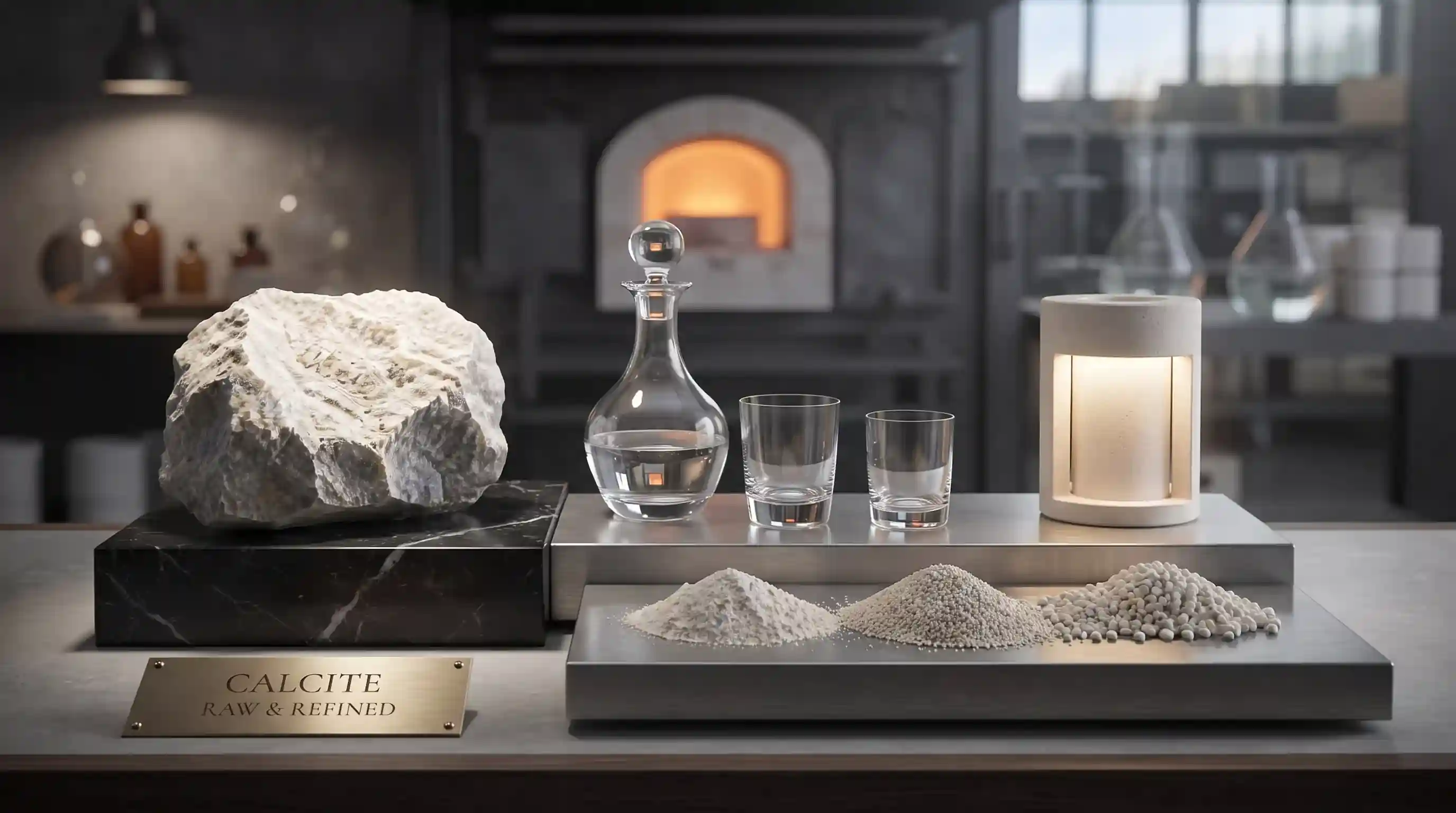
Introduction to Mines and Extraction of Dolomite Stone in Iran
Introduction to Mineralogy and the Importance of Dolomite in Iranian Mines
Due to its diverse geological structure and the presence of important Orogenetic belts, Iran is considered one of the richest regions in the Middle East in terms of mineral reserves and industrial materials. Among these, the mineral dolomite, as a double carbonate of calcium and magnesium, holds a special place in the country's mines. Accurate knowledge of this mineral stone and its associated mines forms the basis for the development of many downstream industries.
The reserves of this mineral are scattered across various parts of Iran, and their extraction plays a significant role in supplying the raw materials required by domestic industries. The processing and sizing projects of this mineral are carried out with high precision to provide the necessary quality for industrial uses.
The study of the geological behavior of this stone shows that the chemical compounds within it can act as a substitute or supplement for other carbonates. To better understand the functional differences of carbonate minerals, reading articles such as Introduction to the Application of Coated Calcium Carbonate in the Plastic Industry provides a broader perspective on the behavior of industrial minerals.
Active mines in the extraction of this valuable stone utilize standard equipment to extract products with suitable purity and supply them to industrial factories. Understanding Iran's geological potentials in the field of this mineral is the main key to the prosperity of the mining sector and its affiliated industries.
Geology and Structural Characteristics of Dolomite Stone
From a chemical structure perspective, dolomite is a carbonate sedimentary rock whose chemical formula includes calcium and magnesium carbonate. The formation process of this stone, known as dolomitization, occurs over millions of years through the replacement of magnesium ions for calcium in limestone sediments.
This mineral has favorable characteristics in terms of hardness and physical resistance, making it suitable for various industrial applications. The color of this stone is usually white, gray, cream, or pale pink, exhibiting different color spectrums depending on the existing impurities.
Examining the crystalline and physical structure of this material helps ensure that crushing and sizing processes in factories are carried out with higher efficiency. For further familiarity with technical details and quality evaluation of similar mineral materials, reviewing the Expert Guide to Comparing Types of Coated Calcium Carbonate Available in the Market provides valuable information regarding quality standards.
Accurate recognition of these characteristics enables mining and processing engineers to select the best methods for extracting and preparing this mineral for consumption in the glass, ceramic, and construction materials industries.
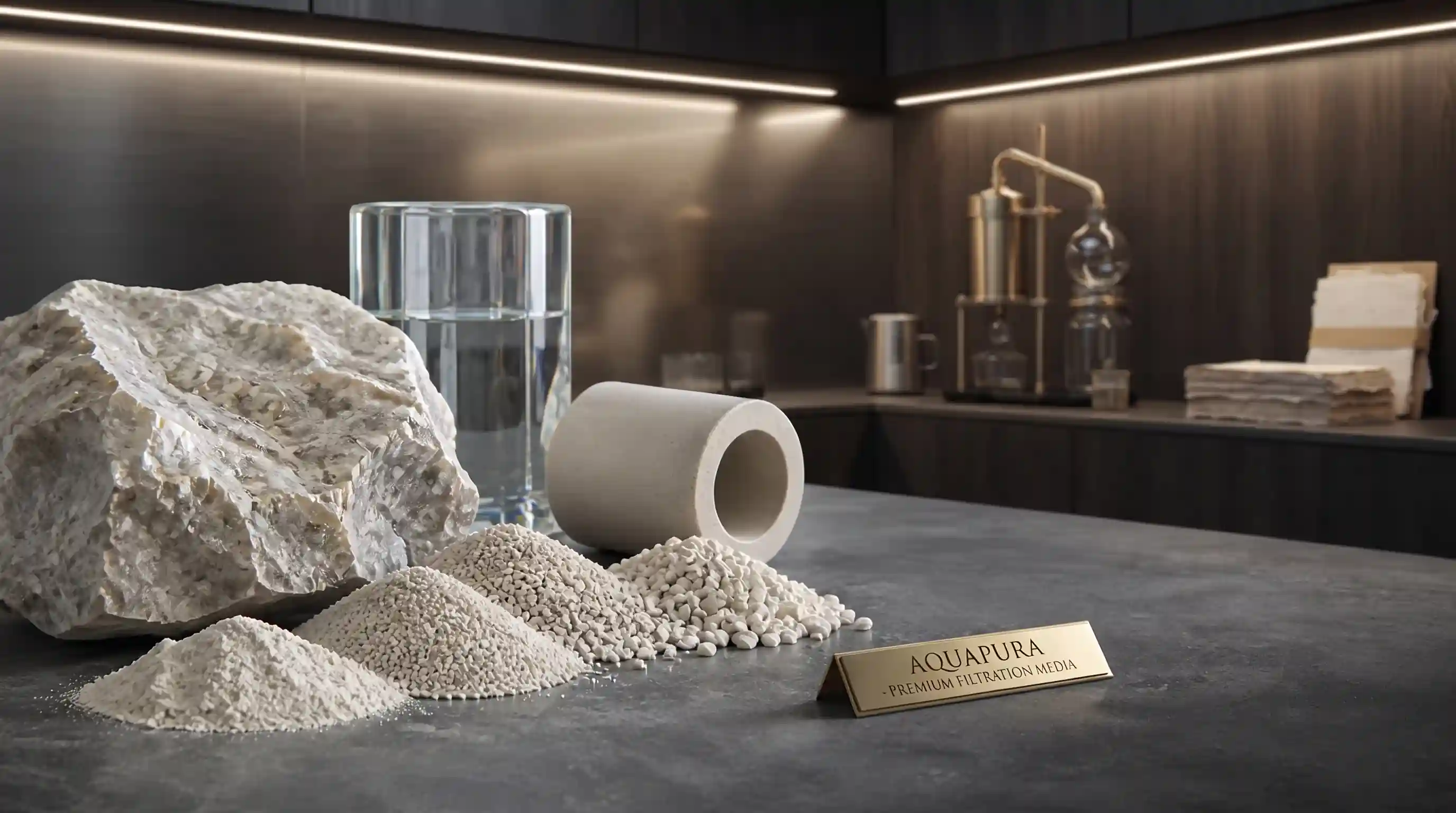
Extraction and Exploitation Methods of Dolomite Mines
The extraction of this mineral in the country's open-pit mines is carried out as the most common and economical method for extracting carbonate rocks. In this method, after exploration operations and grade determination, drilling and blasting phases are performed in compliance with safety and technical principles.
The extracted stone blocks are transported by heavy machinery to crushing and processing units for preliminary preparation. Continuous quality control during the extraction stages ensures that the mineral reaches the final production lines with the minimum amount of impurities.
The use of modern equipment in dolomite mines plays an important role in reducing material waste and optimizing production costs. Compliance with environmental principles during extraction and processing is also one of the requirements prioritized by leading mining units today.
These processes ultimately lead to the production of minerals with specific and practical sizing that are directly consumed in various manufacturing industries, effectively covering the needs of the domestic market.
Crushing and Sizing Process (10 to 40 Mesh Range)
Following the raw stone extraction stage, the crushing and sizing operations are of vital importance. Upon entering the processing facility, this stone is reduced to smaller dimensions through jaw and hammer crushers and then classified using industrial screens.
The final product of this complex is produced and supplied in the 10–40 mesh range. This sizing range is considered a standard specification to meet the specific requirements of consumer industries that demand high accuracy and quality.
Precise control of particle size within this mesh range helps consumer industries experience more optimal chemical and physical reactions in their production lines. Dolomite with these sizing specifications is recognized as a top-grade raw material.
Modern sizing devices ensure that the final product is free of unwanted particles and that the particle size distribution completely matches the standards requested by the glass, ceramic, and construction materials industries.
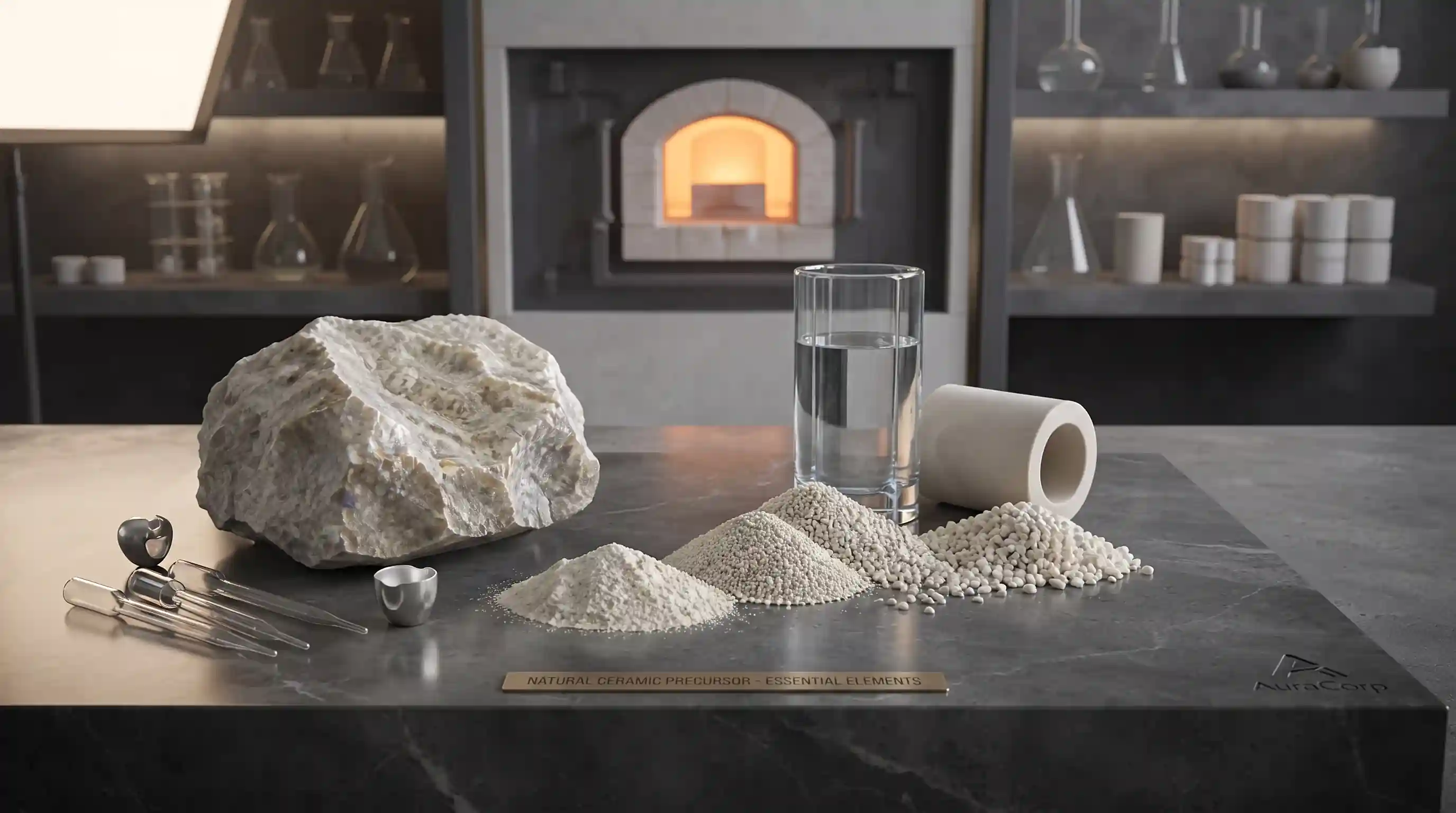
Application of Dolomite in the Glassmaking Industry
The glassmaking industry is a major consumer of carbonate minerals, and this mineral plays a key role in improving glass properties. Adding this material to the batch of furnace raw materials supplies the magnesium and calcium oxides required for the glass structure.
The presence of magnesium oxide resulting from the melting of this mineral reduces the melting point of glass raw materials, thereby significantly decreasing furnace energy consumption. Furthermore, this compound increases the chemical stability and mechanical strength of the produced glass.
Careful selection of the appropriate sizing of this mineral is crucial for uniform melting in industrial furnaces. The high quality of dolomite prevents the formation of bubbles or impurities in the final glass structure.
For this reason, glass manufacturing and crystalware factories are always looking to supply this mineral with stable technical specifications and a suitable grade so that final products are released to the market with the highest transparency and quality.
The Role of Dolomite in Ceramic and Glazing Industries
In the ceramics, tile, porcelain, and sanitary products industries, the use of carbonate minerals to adjust flux properties is a common practice. This mineral acts as an effective flux at high firing temperatures and facilitates the firing process of the ceramic body.
The presence of calcium and magnesium in the structure of this mineral improves the mechanical and thermal resistance of ceramic products. Additionally, in the formulation of ceramic glazes, this material greatly assists in creating a smooth, glossy surface resistant to impact and thermal shock.
Technical reviews indicate that using dolomite in the ceramic industry has high justification due to easy availability and economical pricing. For further reading regarding the diverse uses of this material, the comprehensive article What is the Important Application of Dolomite in Construction and Manufacturing Industries provides complete information to interested readers.
Strict adherence to proportions in combining ceramic raw materials with this mineral guarantees the quality and longevity of the final products in the consumer market.

Application of Dolomite in Construction Materials and Civil Engineering
As one of the largest consumers of mineral materials, the construction industry uses this mineral in the production of various cements, concretes, asphalt, and sub-base materials. The favorable physical properties and stability of this stone against atmospheric factors make it an ideal choice.
In the production of asphalt and road coatings, various gradations of this stone are used as resilient fillers or aggregates that improve the adhesion of bitumen and materials. Additionally, in the production of precast concrete components, the presence of this material increases compressive strength.
Focusing on the supply and production of quality mineral materials, the Kani Sang Amiran project plays an important role in covering the needs of the civil engineering and construction materials sector. Consumers can visit the dedicated dolomite page for more information.
Due to its abundance in domestic mines, this mineral has a significant share in reducing the finished cost of civil and construction projects while elevating quality standards.
Market Outlook, Processing, and the Future of the Dolomite Industry in Iran
The mineral market in Iran faces various challenges and opportunities, and the development of modern processing technologies can create high added value for mineral stones. Updating production lines and improving sizing quality are among the most important goals of actors in this field.
Investment in exploration and principled extraction of dolomite mines will ensure a sustainable supply of raw materials for the country's strategic industries such as glass, ceramics, and construction materials. This trend not only meets domestic industrial needs but also brings high export potential.
The efforts of organizations such as the Kani Sang Amiran project to improve the processing quality of mineral materials herald a bright future for the country's mining industry. Compliance with world standards and utilizing experienced specialists are the keys to success in this competitive arena.
Ultimately, the targeted extraction and processing of this valuable mineral play a major role in industrial self-sufficiency and the country's economic prosperity, outlining a favorable prospect for the sustainable development of Iran's mines.
| Question |
Answer |
| What is dolomite? |
It is a double carbonate stone of calcium and magnesium extracted from the country's mines. |
| What are the main applications of dolomite? |
Glass, ceramic products, and construction materials. |
| What is the mesh range of the produced product? |
10 to 40 mesh. |
| What is the role of dolomite in glassmaking? |
Supplying magnesium oxide, lowering the melting point, and improving glass transparency. |
| Is dolomite used in the ceramic industry? |
Yes, it is used as a flux and a mechanical strength improver. |
| What is the extraction method of this mineral? |
It is mainly extracted through open-pit mining methods. |
| Why is it used in construction materials? |
Due to high physical resistance and stability against atmospheric factors. |
| Which organization produces this product? |
Kani Sang Amiran Project — Production of mineral materials. |
| Is it also used in the glazing industry? |
Yes, it plays a role in creating glossy and resistant surfaces in glazes. |
| How can this product be ordered? |
By visiting the product page on the Kani Sang Amiran website. |
Specialized reference for mines and mineral industries of Iran and geological information of mining projects.
:: برچسبها:
Dolomite ,
Introduction to Mines and Extraction of Dolomite Stone in Iran ,
:: بازدید از این مطلب : 0
|
امتیاز مطلب : 0
|
تعداد امتیازدهندگان : 0
|
مجموع امتیاز : 0

 عضو شوید
 عضویت سریع
 منوی کاربری

 آمار مطالب
 آمار بازدید


