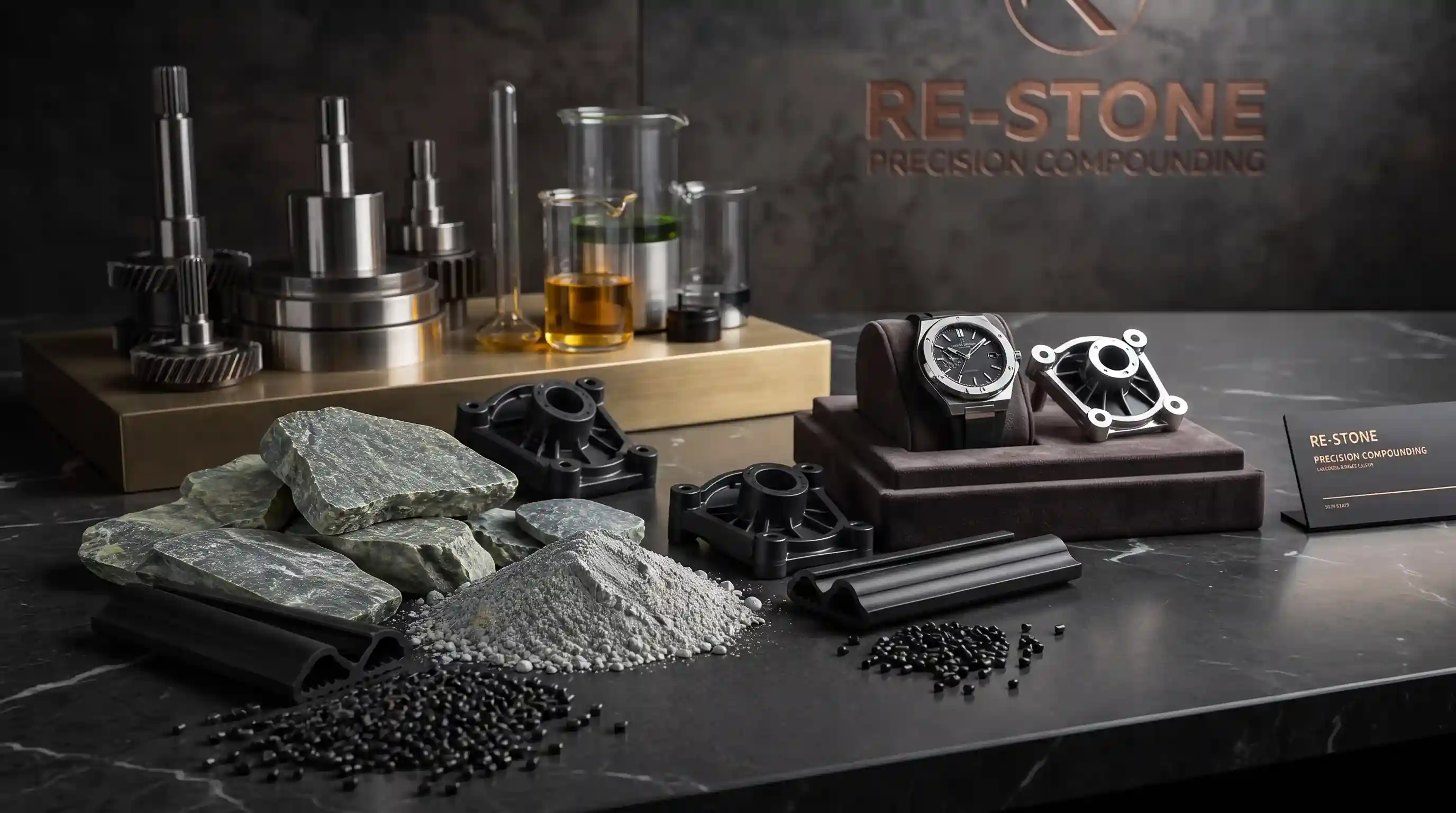
Introduction to Mining and Extraction of Industrial Talc
Introduction to Mining and Extraction of Industrial Talc
Mining and mineral extraction is considered one of the main foundations for supplying raw materials to various industries. Among these materials, industrial talc is recognized as one of the most practical and widely consumed minerals, whose extraction and processing hold special importance in the industrial supply chain. Possessing specific physical and chemical characteristics, this mineral has found a special place in various manufacturing sectors, and the Kani Sang Amiran project plays an important role in supplying this valuable material by focusing on precise extraction and processing.
The process of extracting industrial talc from mines includes stages of exploration, open-pit or underground mining, separation of waste rocks, and transfer to crushing and sizing units. Since the quality of the final product depends on the purity of the initial mineral and precision in mechanical processes, a thorough understanding of the geological structure of talc mines is of high importance. To better understand these concepts, reading the article Introduction to Mines and Extraction of Dolomite Stone in Iran can provide a comprehensive perspective on similar mining methods in the country.
In the subsequent sections of this article, we will examine in more detail the technical characteristics, production methods, mesh size range including the 450–1000 mesh range, and the extensive applications of industrial talc in the polymer, rubber, and paint industries so that industrial activists and manufacturers can act with more complete knowledge regarding the selection and consumption of this mineral.
Geology and Extraction Methods of Talc Stone
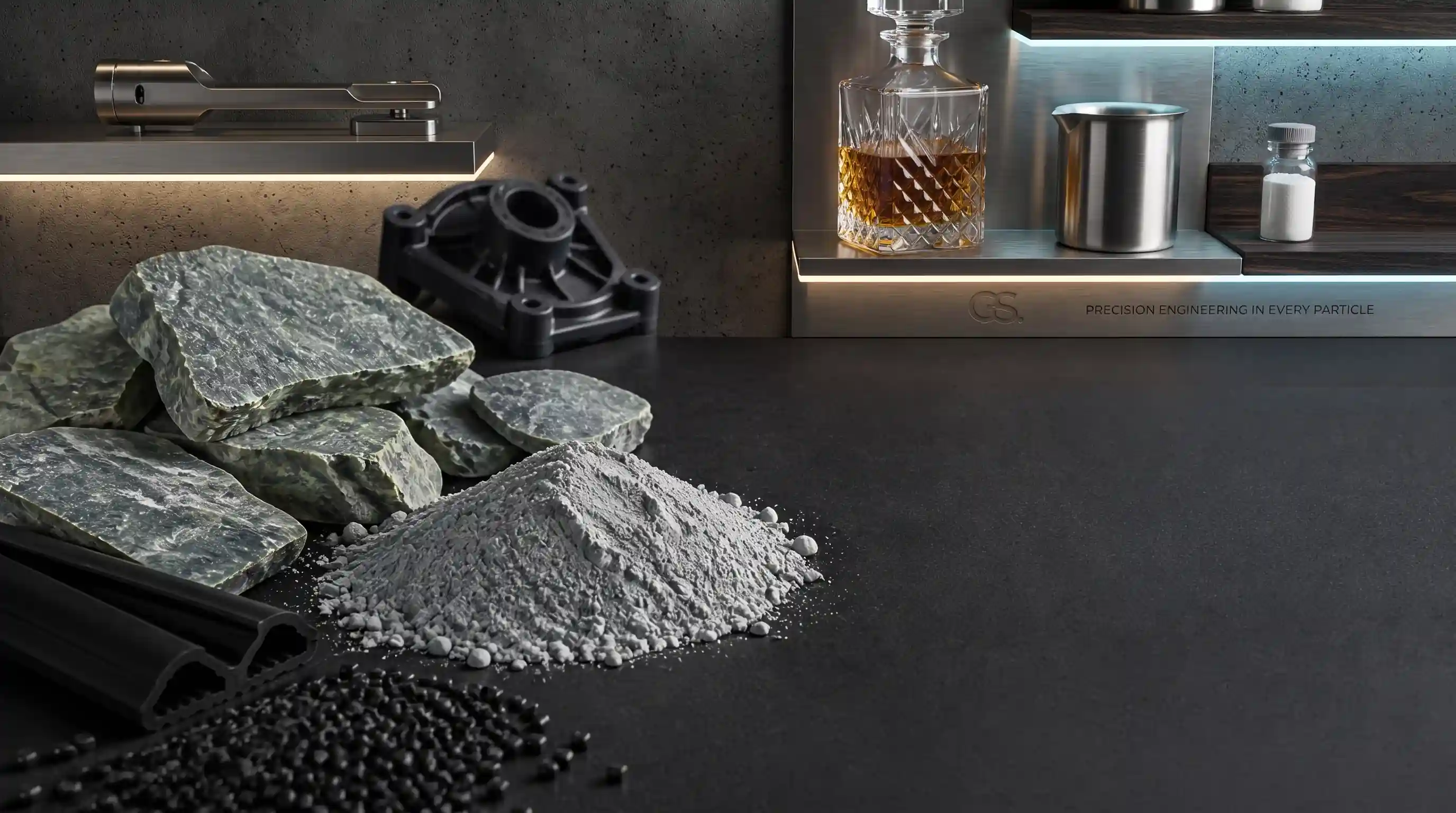
Talc stone, as a hydrated magnesium silicate, is usually formed as a result of the metamorphism of magnesium-rich rocks such as dolomites and ultramafics under geological pressure and temperature. These geological formations determine the purity and physical characteristics of the extracted stone. Utilizing modern equipment and scientific methods, miners identify talc deposits and initiate extraction with minimal damage to the mineral structure.
Extraction operations in talc mines include controlled blasting, loading, and transporting raw stone to processing plants. At this stage, separating impure sections from the main rock is vital because the presence of accompanying minerals can affect the whiteness, hardness, and final properties of the talc powder. The expertise and experience of mining engineers in the Kani Sang Amiran project guarantee standard extraction that sends high-quality raw materials into production lines.
After initial extraction, the stones are sent to crushing units to be converted into smaller pieces. This preliminary process prepares the materials for entry into advanced mills to achieve precise industrial sizing. Familiarity with this mineral value chain is a prerequisite for understanding the quality of micronized powders consumed in final industries.
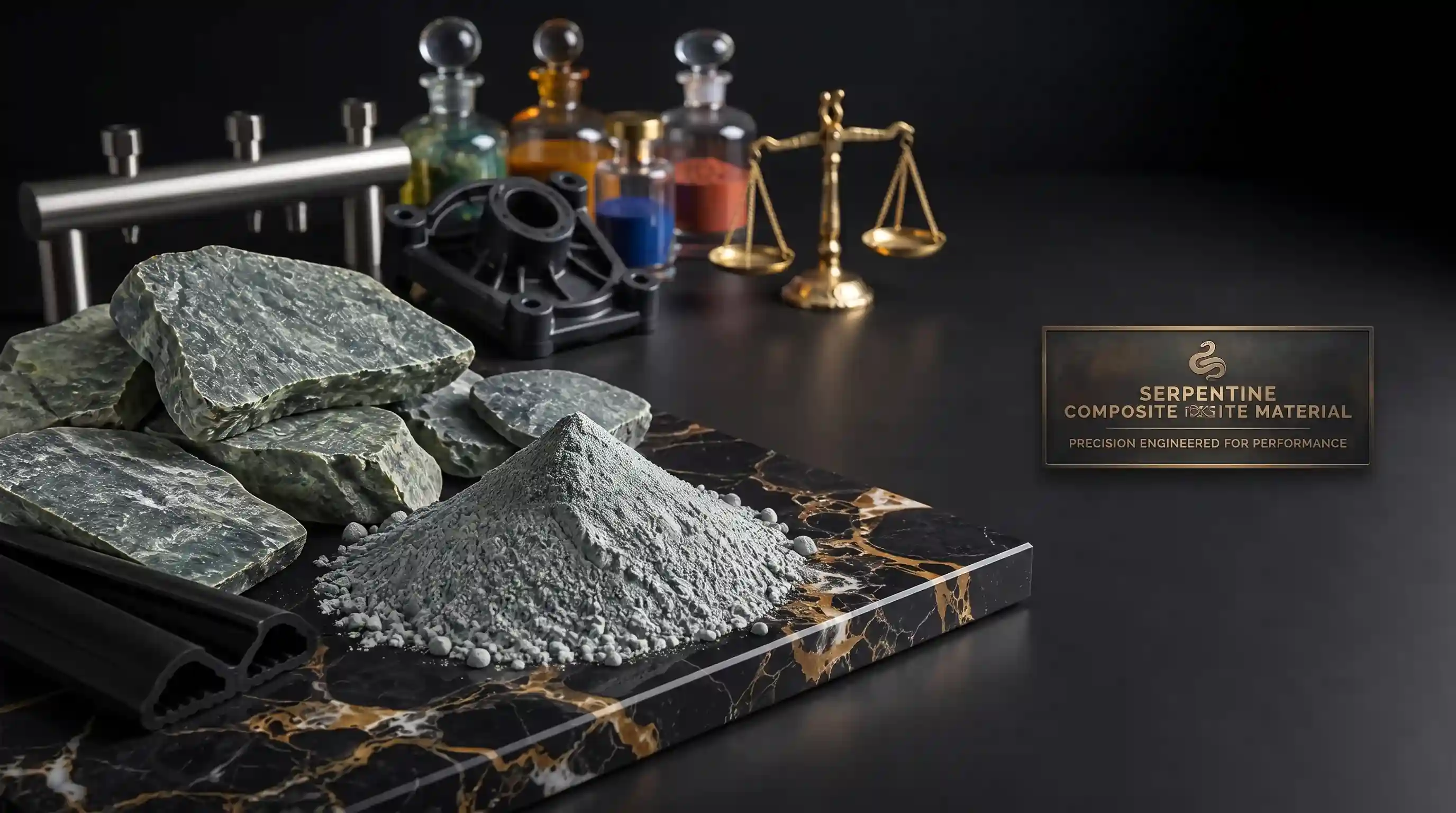
Processing, Micronization Process, and the 450–1000 Mesh Range
Following the raw stone extraction stage, the processing and micronization process plays a key role in determining the quality of industrial talc. After initial crushing, the extracted stones enter specialized mills to be converted into a soft powder with a specific particle size distribution. One of the most important technical specifications of these products is the 450–1000 mesh range, which indicates high precision in milling and powder sizing.
The 450–1000 mesh range allows various industries to select the best sizing based on their formulation needs. Finer particles with higher mesh create a larger contact surface and are influential in improving the mechanical and appearance properties of polymeric products and paints. The quality control process in production units ensures that the output particles are completely uniform and free of coarse impurities.
Leveraging modern world technologies in the field of crushing and micronization, the Kani Sang Amiran project has prepared products with precise technical specifications for supply. To obtain more information on how to procure and inquire about specifications, you can proceed through the dedicated page Industrial Talc and review the complete details of this versatile product.
Application of Industrial Talc in Polymer Industries
The polymer and plastic manufacturing industries are considered among the largest consumers of micronized minerals in the world. Due to its unique sheet-like (layered) structure, industrial talc is used as a filler and physical property improver in polymer matrices. Adding this material to polymers increases flexural modulus, dimensional stability, and improves heat resistance.
When talc powder with the 450–1000 mesh range is distributed in polymer compounds, it acts as a reinforcing agent due to its favorable contact surface. This feature is of special importance in the production of automotive parts, home appliances, and packaging films because it prevents the deformation of parts at high temperatures and improves the apparent quality of the product.
Manufacturers of polymer parts are always looking for raw materials that, in addition to improving mechanical properties, also facilitate polymer processability. The use of high-purity micronized talc powder helps reduce the shrinkage of injection-molded parts and optimizes the production cycle, which has a direct role in reducing finished production costs.
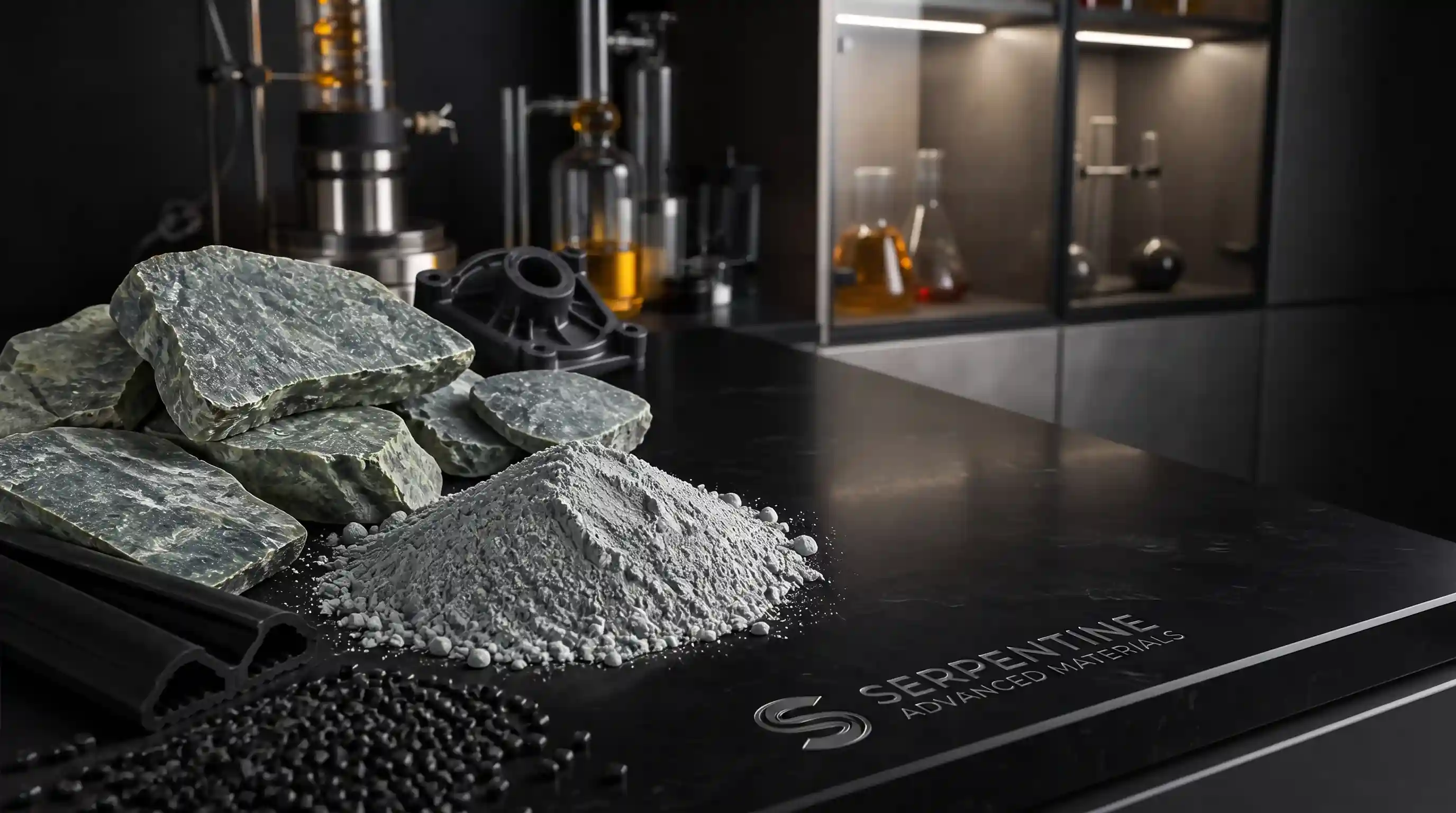
The Role of Industrial Talc in the Rubber Manufacturing Industry
The rubber manufacturing industry heavily depends on mineral fillers to improve the mechanical characteristics, abrasion resistance, and processing properties of rubber compounds. Industrial talc is used as an active or semi-active agent in rubber formulation and greatly helps improve the flexibility and durability of rubber products.
The sheet-like structure of talc particles in rubber causes a reduction in the permeability of gases and moisture, a feature that is vital in the manufacture of tires, gaskets, rubber hoses, and various sealants. Furthermore, the presence of this mineral in the rubber compound improves vulcanization behavior and increases tear resistance.
For activists in the rubber sector, selecting talc powder with the appropriate mesh distribution is of utmost importance so that particle dispersion in the rubber compound is carried out in the best way. A careful review of the buying guide and selection of quality raw materials can be very helpful in this regard; therefore, reading the article Buying Guide for Industrial Talc with Best Quality and Reasonable Price provides useful information to industrialists in this field.
Application of Talc in the Paint and Coatings Industry
In the paint and industrial coatings industry, industrial talc is widely used as an extender pigment and a film property-improving agent. The flaky structure of this mineral improves coverage, peeling resistance, and increases paint durability against weathering factors and moisture.
Talc powder helps adjust gloss, improve viscosity, and prevent pigment settling in solvent-based and water-based paints. Additionally, due to its chemical inertness, this material does not react adversely with other components of the paint formulation and guarantees the long-term stability of the coating. Micronized talc particles in the 450–1000 mesh range easily disperse within the resin matrix.
In addition to architectural and industrial paints, talc is also heavily used in the production of various putties, primers, and anti-corrosion coatings. Understanding the characteristics of other mineral minerals can also help formulators optimize paints; for example, studying the characteristics of colored minerals such as Introduction to the Characteristics of Industrial Limonite Oxide (Gole Mash) provides a broader perspective on effective minerals in the paint industry.
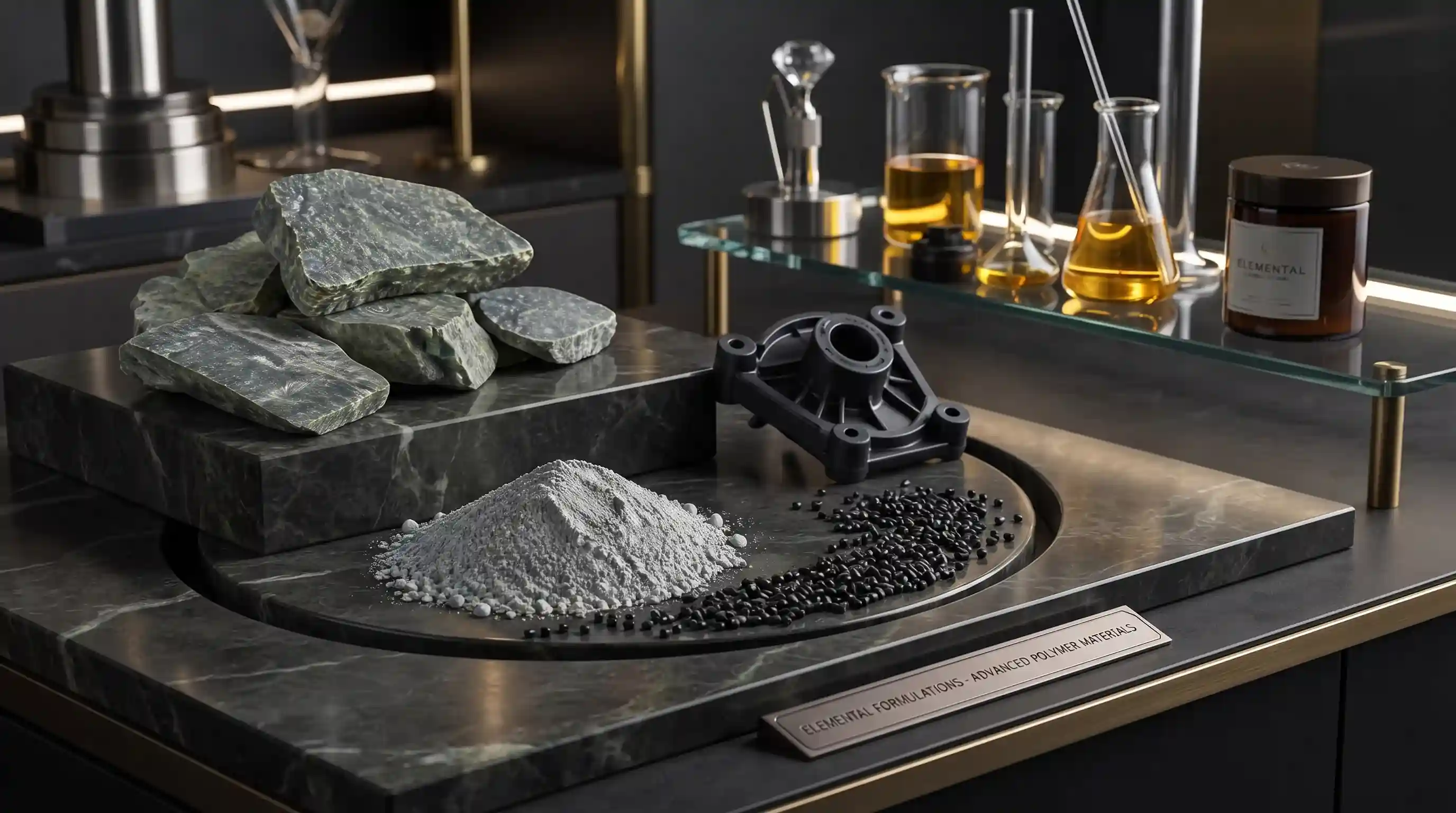
Other Industrial Applications of Talc and Quality Control Importance
In addition to the polymer, rubber, and paint industries, industrial talc is present in many other manufacturing fields. These applications include use in the ceramic industry, paper production, adhesives, cosmetics, and the pharmaceutical industry. In each of these sectors, chemical purity, color (whiteness), and particle size are evaluated as key parameters.
Quality control at all stages of extraction, crushing, and packaging of industrial talc is of high importance. Using modern equipment, quality control laboratories continuously measure items such as particle size distribution, moisture content, purity percentage, and powder whiteness to ensure the final product complies with stringent industrial standards.
By establishing rigorous quality control systems, the Kani Sang Amiran project has provided the necessary peace of mind for consumer industries so that raw materials reach manufacturers with the lowest quality tolerance. This commitment to quality ensures stability in production processes across industrial factories.
Conclusion and Outlook of the Industrial Talc Market in Iran
Mining and processing of industrial talc, as a strategic value chain, plays an undeniable role in the development of the country's industrial and manufacturing sector. From the stage of extracting raw stone from mines to the production of micronized powders with a 450–1000 mesh range, it requires technical knowledge, advanced equipment, and precise management to properly meet the needs of various industries such as polymer, rubber, and paint.
With the continuous development of conversion industries and the increasing need for high-quality domestic raw materials, the importance of principled extraction and mechanized processing of talc has become more apparent than ever. Leading companies and complexes such as the Kani Sang Amiran project, relying on rich mines and standard production lines, bear a significant share in the sustainable supply of this valuable mineral in the domestic market.
Ultimately, investment in optimizing production processes, improving sizing precision, and responding to the specific needs of consumer industries has shaped a bright outlook for the industrial talc market. The continuation of this trend can greatly help increase the productivity of national industries and reduce dependence on the import of similar minerals.
| Question |
Answer |
| What is industrial talc? |
It is a hydrated magnesium silicate mineral used in polymer, rubber, paint, and industrial applications due to its flaky characteristics and chemical inertness. |
| What is the mesh sizing range of Amiran industrial talc? |
The products of this collection are processed and supplied in the 450–1000 mesh range. |
| What are the main applications of industrial talc? |
Polymer products, rubber products, paint industries, and various industrial applications are the primary consumers of this material. |
| What is the role of talc in polymer industries? |
It acts as a filler to improve flexural modulus, dimensional stability, and heat resistance of plastics. |
| Why is talc used in the rubber manufacturing industry? |
It improves flexibility, abrasion resistance, vulcanization properties, and reduces gas permeability in rubber. |
| What is the application of talc in the paint industry? |
It is used as an extender pigment to improve coverage, weathering resistance, and adjust paint gloss. |
| How can industrial talc be purchased? |
You can proceed through the product page of the Kani Sang Amiran project or the related buying guide. |
| Does industrial talc contain impurities? |
Advanced processing and micronization processes lead to the separation of impurities and the provision of homogeneous powder. |
| What is the effect of the flaky structure of talc? |
The flaky structure leads to improved mechanical properties, impermeability, and processability in various matrices. |
| Which collection produces quality industrial talc? |
The Kani Sang Amiran project, as a mineral producer, supplies this product with standard specifications. |
Kani Sang Amiran Project — Reference for production and processing of minerals and industrial talc
:: برچسبها:
Industrial Talc ,
Introduction to Mining and Extraction of Industrial Talc ,
:: بازدید از این مطلب : 0
|
امتیاز مطلب : 0
|
تعداد امتیازدهندگان : 0
|
مجموع امتیاز : 0


 عضو شوید
 عضویت سریع
 آمار مطالب
 آمار بازدید


