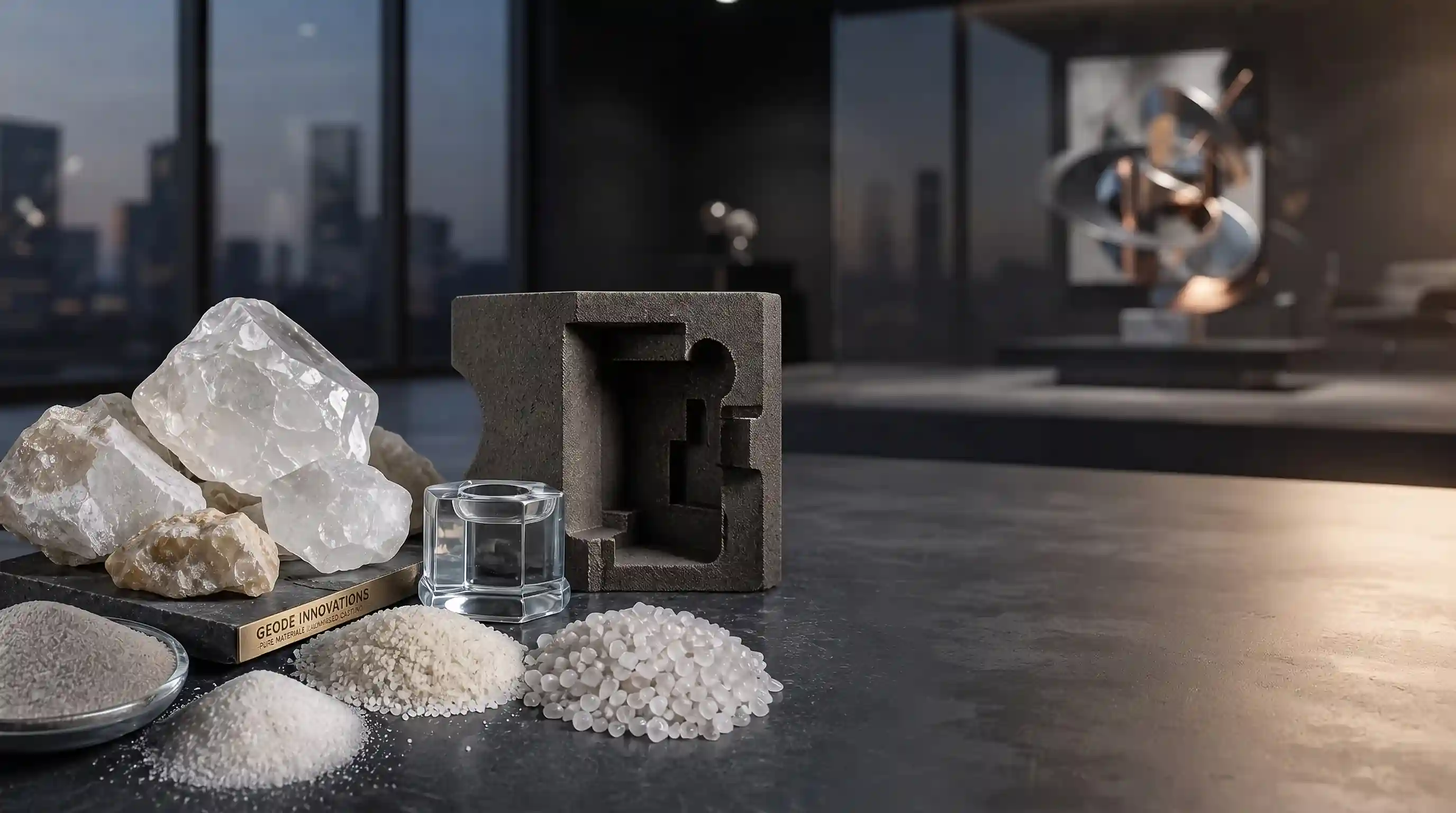
The Role of Micronized Silica in the Paint and Resin Manufacturing Industries
Introduction to the Importance of Minerals in the Paint and Coating Industries
The paint and resin manufacturing industry is an advanced industrial sector where the quality of final products heavily depends on the type and quality of raw materials used. Among commonly used minerals, micronized powders play a key role in improving the physical, mechanical, and appearance properties of paints. The intelligent use of these materials can significantly increase the durability, adhesion, and coverage of paint. Kani Sang Amiran Project, focusing on the production of high-quality minerals, plays an important role in meeting the needs of this industry.
Alongside various additives, a precise understanding of the characteristics of each mineral is essential for optimal formulation. For example, familiarizing oneself with the application of kaolin in paint and industrial coatings shows how combining different minerals can improve the performance of industrial coatings. However, among all available options, silica is recognized as one of the most fundamental and widely used minerals, holding a special place in various formulations.
The correct selection of mesh and particle sizing of minerals has a direct impact on viscosity, gloss level, and the paint's resistance to atmospheric agents. Paint formulation engineers and designers are always looking for raw materials that, in addition to high purity, also have suitable chemical stability. The mineral silica, with its standard technical specifications, has become an inseparable component in this industry, and we will examine its various dimensions in the following.
The Fundamental Role of Silica in Various Industries and Construction Materials
The mineral silica is used in a wide variety of industries due to its abundance in nature and unique physical and chemical characteristics. Based on the provided technical information, this material is introduced for glass, foundry, ceramics, and construction materials, and has been able to meet the necessary quality standards in these areas. The presence of this material in the structure of construction materials increases compressive strength and the durability of structures against environmental stresses.
In the field of construction materials and related industries, the simultaneous examination of other minerals is also important. For instance, studying the article reviewing the application of dolomite in paint and resin industries helps industrialists gain a more comprehensive view of the interaction between various minerals in construction and the chemical industries. Nevertheless, the role of silica remains unparalleled due to its crystal structure and high thermal stability.
In addition, the use of high-quality mineral additives is essential in the production of concrete products and pipe manufacturing. An article addressing the role of kaolin in pipe manufacturing and concrete products illustrates the importance of the careful selection of minerals. When this knowledge is combined with the wide applications of silica, engineers can offer final products to the market with the highest level of quality and standards, resistant to wear and corrosion.

Technical Characteristics and Mesh Range of Micronized Silica
One of the most important factors in determining the application of minerals is the particle size and their mesh range. Regarding the product in question, the mesh range is defined as: 10–450 mesh, and this wide span allows industrialists to choose the appropriate mesh based on the exact needs of their formulation. Coarser particles are usually used in construction materials and specific foundry applications, while finer and micronized meshes are employed for sensitive industries such as paint making, ceramics, and glass.
Producing powder with a mesh range of 10–450 mesh requires advanced crushing and sizing equipment, which Kani Sang Amiran Project provides by relying on up-to-date technical knowledge. The particle size distribution in this range ensures that the materials are well dispersed in the resin matrix or other solvents and prevents excessive agglomeration or sedimentation. This feature is of vital importance for maintaining the uniformity of the final product.
Precision in controlling the mesh and chemical purity of silica minimizes unwanted reactions during industrial processes. Using this mineral with precise technical specifications allows manufacturers to produce products with advanced mechanical properties, desirable dimensional stability, and a homogeneous appearance that can compete in today's modern industries.
Main Applications of Silica in the Glass and Ceramics Industries
The glass and ceramics industries are among the oldest and largest consumers of silica globally. This material acts as the main component forming the glass network structure and adjusts the melting point and melt viscosity during thermal processes. The high purity of this mineral prevents unwanted colors and defects in the final glass product.
In ceramic products, the presence of this material also plays a key role in reducing firing shrinkage and increasing the mechanical strength of the ceramic body and glaze. Given that the various meshes of this product meet the diverse needs of this industry, manufacturers can utilize it in the production of various tiles, ceramics, chinaware, and refractories. For more information and to view product details, you can visit the official silica page to review its complete specifications.
The simultaneous combination of this material with other minerals in the ceramics manufacturing industry improves thermal separation properties and resistance to thermal shocks. For this reason, precise control of particle sizing and the absence of metallic or organic inclusions in the consumed powder guarantee the high quality and longevity of the manufactured ceramic products.

The Vital Role of Silica in Foundry Products
The foundry industry is another vital area where silica is recognized as a strategic material. Foundry molds and molding sands require very high thermal resistance to withstand the melting temperatures of various metals without deformation or degradation. The thermal stability of this mineral prevents defects in cast parts and provides a smooth and uniform surface for the final piece.
Selecting the appropriate particle sizing from the 10–450 mesh range has a direct impact on gas permeability and the surface quality of foundry molds. Foundry sands must be selected in such a way that, while having sufficient strength in both dry and wet states, they also easily separate from the part after it cools down. These features increase productivity and reduce waste in foundry plants.
Kani Sang Amiran Project, understanding the precise needs of foundry industries, supplies products that provide the necessary standards for making sand molds and refractory coatings. The use of this premium mineral alongside other additives gives foundry engineers peace of mind to produce complex and high-quality metal parts.
Improving Paint and Resin Quality Using Micronized Minerals
Although the traditional applications of this material are mostly known in glass and foundry, today the use of micronized silica powders in the formulation of various paints and resins has also expanded. These materials act as functional fillers and greatly help improve properties such as abrasion resistance, stability against ultraviolet radiation, and a reduction in paint shrinkage.
Particle distribution in micronized ranges allows the final paint to create a uniform coating, a desirable matte or semi-matte finish, and exceptional adhesion on various surfaces. The presence of this mineral in the structure of architectural and industrial paints guarantees the durability of the coating against harsh weather conditions and temperature changes, reducing maintenance and repair costs.
Paint formulation engineers, by utilizing the neutral chemical properties and high hardness of this material, develop formulas that are more resistant to scratches and chemical agents. This becomes doubly important, especially in heavy industrial coatings and traffic paints, upgrading the overall performance of the product.

Processing, Quality Control, and Standardization of Mineral Powders
The production of high-quality minerals requires going through precise stages of processing, crushing, sizing, and continuous quality control. Kani Sang Amiran Project, using modern crushing equipment and advanced mills, is able to supply silica powder to the market with the highest purity and the most precise mesh range. Every production batch undergoes strict quality control tests to ensure its compliance with industrial standards.
Controlling impurities, especially unwanted metal oxides, plays an important role in the transparency of final products such as glass and ceramics. In addition, checking particle size distribution using laser equipment guarantees that the desired mesh range is provided to customers in a completely homogeneous and standard manner. This precision in production ensures quality consistency across industrial production lines.
Compliance with environmental and safety standards in the production and packaging of minerals is another key priority. Durable and standard packaging ensures that the product reaches end-users in various industries without moisture damage, retaining its initial quality during storage.
Outlook and Future of the Mineral and Industrial Silica Market
With the rapid development of construction, automotive, glass, and advanced coating industries, the demand for high-quality and specialized minerals has followed an upward trend. The mineral silica, as one of the main pillars of industrial raw material supply, will play a prominent role in this growth. Innovation in processing technologies and achieving finer and more homogeneous meshes outlines a bright prospect for upgrading the quality of final products.
The Kani Sang Amiran Project collection, with a sustainable development strategy and meeting the needs of domestic industries, always strives to provide high-quality mineral products to various industries by optimizing production processes. The combination of experience, technical knowledge, and rich mineral resources has provided a suitable platform for the competitiveness of domestic manufacturers in regional and international markets.
Ultimately, the smart selection of raw materials and cooperation with reputable suppliers is the key to success in modern manufacturing industries. A precise understanding of the characteristics of silica and its correct application based on engineering standards will guarantee high productivity, reduced production costs, and enhanced final product quality.
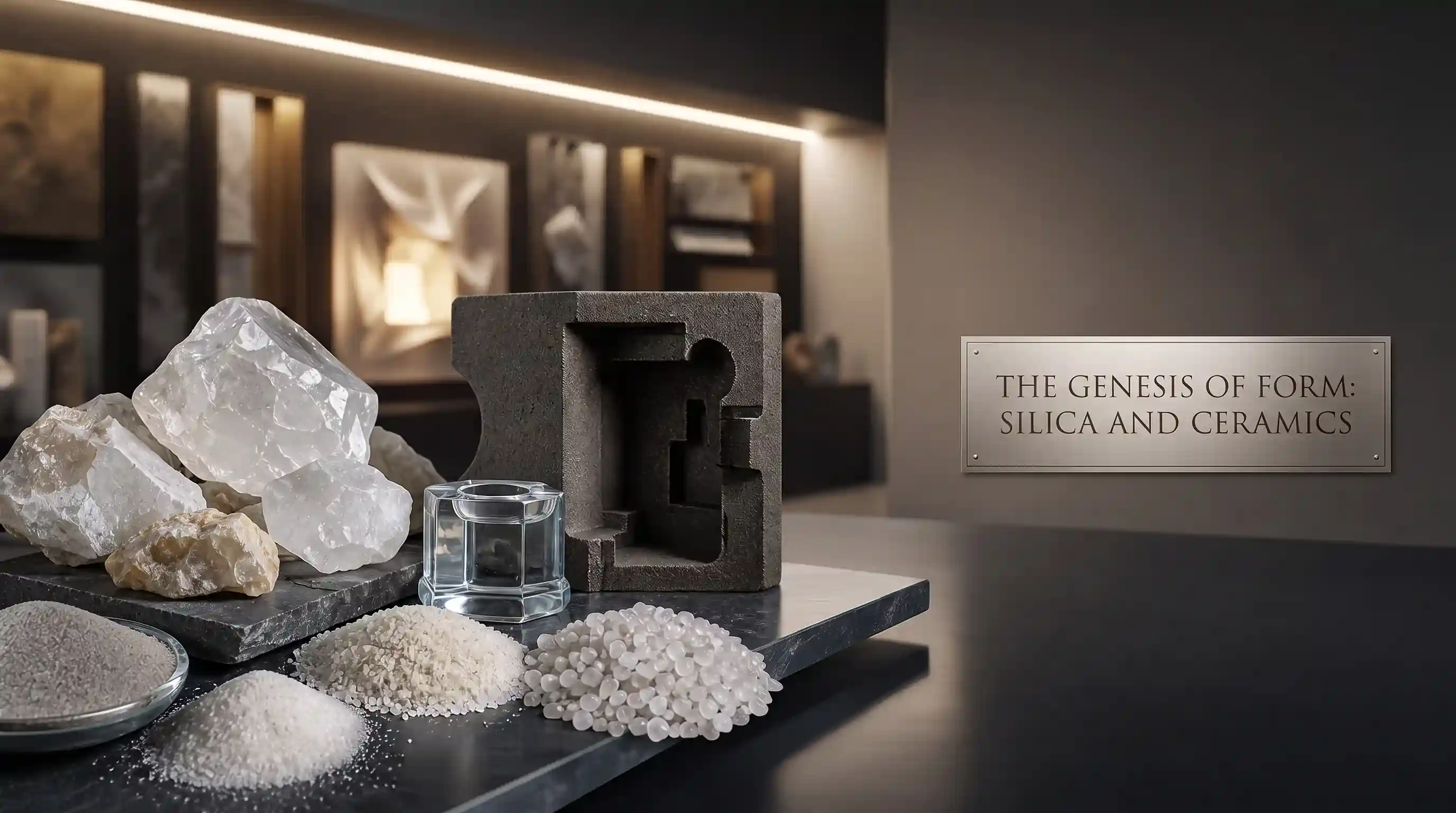
| Question |
Answer |
| What is silica and what are its applications? |
Silica is a mineral introduced for glass, foundry, ceramics, and construction materials. |
| What is the mesh range of the silica produced by Kani Sang Amiran Company? |
The mesh range of this product varies between 10 to 450 mesh. |
| What industries do the main applications of silica include? |
Glass, foundry products, ceramic products, and construction materials are among its main applications. |
| Is silica also used in the paint and resin industries? |
Yes, it is used as a micronized mineral filler to improve the durability and stability of paints. |
| How can complete product information be viewed? |
By visiting the silica product page on the Kani Sang Amiran website, you can review the complete specifications. |
| What is the role of silica in the foundry industry? |
It is used to make high-temperature-resistant sand molds and to produce high-quality metal parts. |
| Why is the purity of silica important in the glass-making industry? |
It is essential for preventing unwanted colors and adjusting the thermal properties of molten glass. |
| How does particle size distribution affect product quality? |
It causes uniform dispersion of materials in the formulation and improves mechanical and appearance properties. |
| Does silica powder increase strength in construction materials? |
Yes, its presence improves compressive strength and the resistance of structures against stresses. |
| Which collection is the main supplier of this mineral? |
Kani Sang Amiran Project, as a mineral producer, supplies this product. |
Mineral scientific sources and technical information of Kani Sang Amiran Project productions
:: برچسبها:
Silica ,
The Role of Micronized Silica in the Paint and Resin Manufacturing Industries ,
:: بازدید از این مطلب : 0
|
امتیاز مطلب : 0
|
تعداد امتیازدهندگان : 0
|
مجموع امتیاز : 0


 عضو شوید
 عضویت سریع
 آمار مطالب
 آمار بازدید


