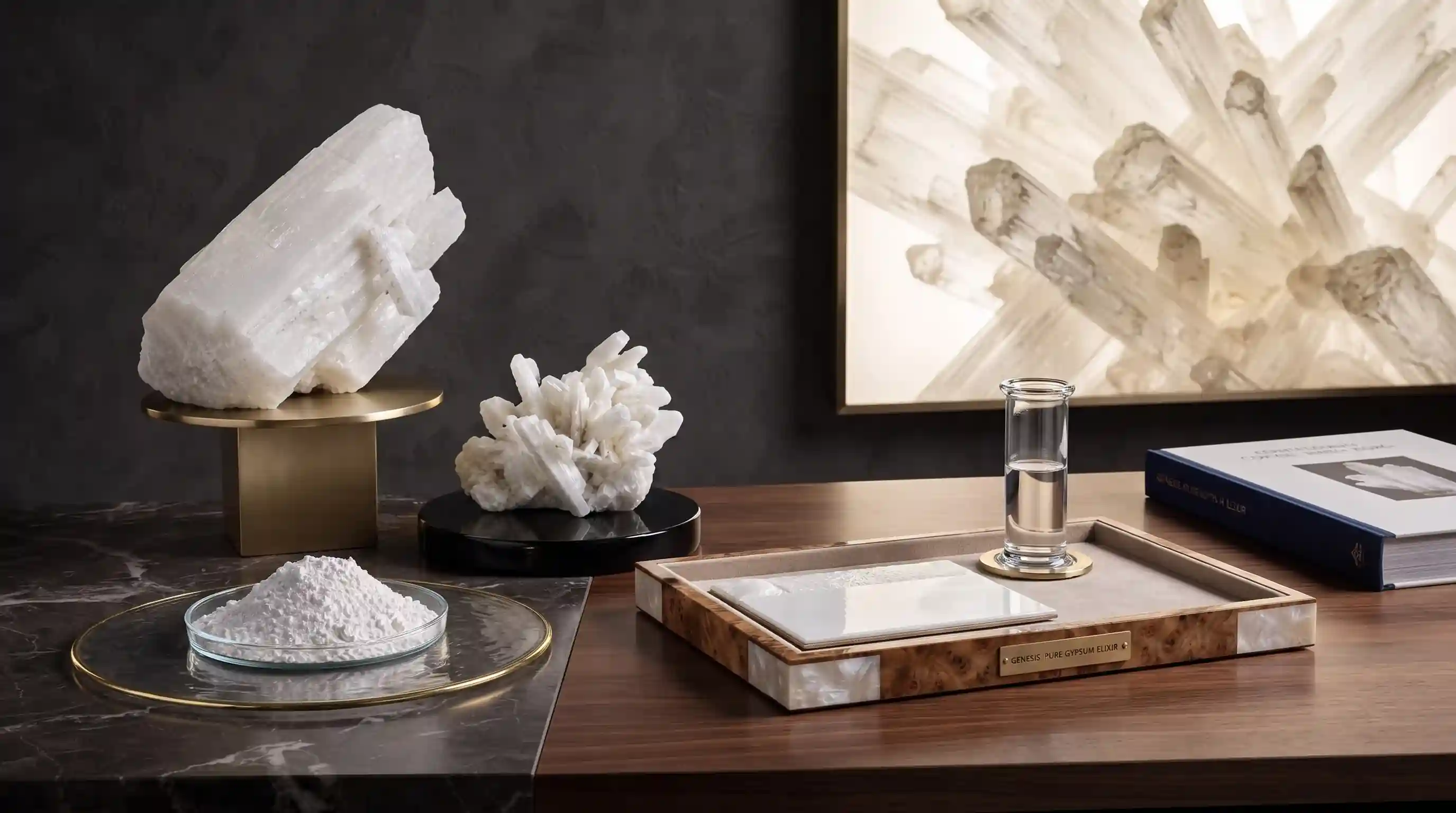
The Role of White Barite in the Paper and Industrial Cardboard Manufacturing Industries
Introduction to the Importance of Minerals in Modern Industries and the Position of White Barite
Modern manufacturing industries today are heavily dependent on high-quality mineral fillers to enhance the mechanical, physical, and aesthetic properties of their products. Among various industrial minerals, barite is known as a natural barium sulfate that holds a special place due to its high density, chemical purity, and unique characteristics. The processed and pure form of this material, namely white barite, plays a key role in improving the quality of the final product.
Focusing on the precise extraction and processing of minerals, the Kani Sang Amiran project has successfully produced and supplied this product with standard technical specifications in the 450 to 2500 mesh range. Although traditional applications of this material have mostly concentrated on the drilling industry, today its importance in advanced industries such as paints, coatings, and various polymers is undeniable. To learn more about the specialized features and to purchase this product, you can visit the white barite introduction page.
In this comprehensive article, we intend to examine in detail the role of this mineral in improving manufacturing processes and to explore the various dimensions of its application. The use of micronized mineral fillers not only optimizes production costs but also contributes significantly to the sustainability and durability of final products.
Physical and Chemical Properties of White Barite in the 450 to 2500 Mesh Range
A precise understanding of the physical and chemical properties of any mineral is the first step toward its optimal utilization in industrial formulations. With the chemical formula of barium sulfate ($BaSO_4$), white barite possesses extremely high chemical stability. This material exhibits resistance against acids, bases, and organic solvents, making it an ideal choice for demanding applications.
One of the most important parameters in the quality of this material is its granulation, or mesh range. Processing this product in the 450 to 2500 mesh range indicates a high degree of purity and micronized particle sizing. Extremely fine particles with uniform distribution help improve rheological and coating properties. Compared to other fillers, this material has extraordinary whiteness and brightness, which is vital in the coating industry.
Furthermore, examining the behavior of this material alongside other mineral additives shows that white talc also holds a similar position in improving product quality; for example, you can read the article on the role of white talc in improving the appearance quality of polymeric products to become more familiar with the overlap in filler applications. Thermal stability and chemical non-reactivity are among the other prominent advantages of this product.
Application of White Barite in the Paint and Industrial Coatings Industry
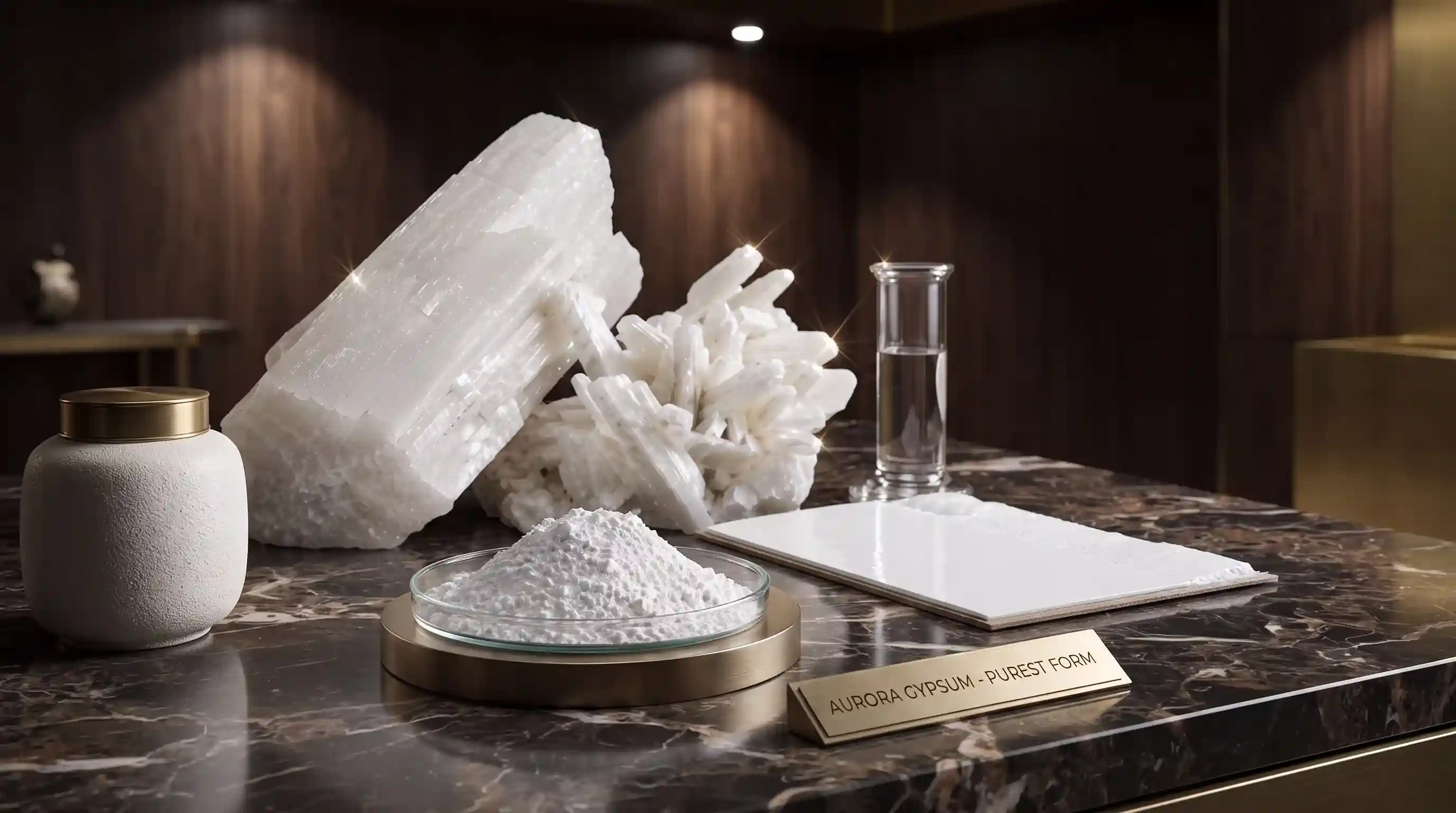
The paint and coating industry is one of the primary consumers of micronized mineral fillers. In the formulation of architectural and industrial paints, adding high-quality mineral powders is carried out to control gloss, increase hiding power, and reduce moisture permeability. Due to its high refractive index and desirable whiteness, white barite is recognized as an efficient filler pigment in this industry.
The use of this material in the 450 to 2500 mesh range allows paint formulators to precisely adjust paint viscosity and prevent paint settling during storage. The fine particles of this material disperse well within the resin matrix, creating a continuous, resistant, and smooth film. This feature is of high importance, especially in epoxy paints, anti-corrosion coatings, and automotive paints.
In addition to improving optical and mechanical properties, this material enhances paint manufacturing safety standards due to its non-toxicity and environmental compatibility. Optimizing paint formulation with the help of this mineral significantly increases coating durability against harsh weather conditions and ultraviolet radiation.
The Role of White Barite in Improving the Properties of Polymeric Products and Composites
Polymer industries and plastic manufacturing are constantly seeking additives that can improve the elastic modulus, dimensional stability, and thermal resistance of manufactured parts without drastically increasing the final product weight. As a heavy and stable mineral filler, white barite is a suitable option for reinforcing various polymeric matrices such as polyethylene, polypropylene, and PVC.
The presence of micronized particles of this material in the polymer structure causes uniform stress distribution, increases surface hardness, and reduces the shrinkage of injection-molded parts. Moreover, this mineral filler acts as a flame retardant and a sound and thermal property improver in certain plastic parts. If you are interested in the subject of acoustic and thermal applications of minerals, reading the article application of industrial barite in the production of acoustic and thermal insulation provides useful supplementary information.
The processing equipment of the Kani Sang Amiran project, by producing this product in various meshes, has enabled material engineers to customize polymer formulations in order to achieve maximum efficiency in extrusion and injection molding lines.
Examining the 450 to 2500 Mesh Range and Its Impact on Final Product Quality
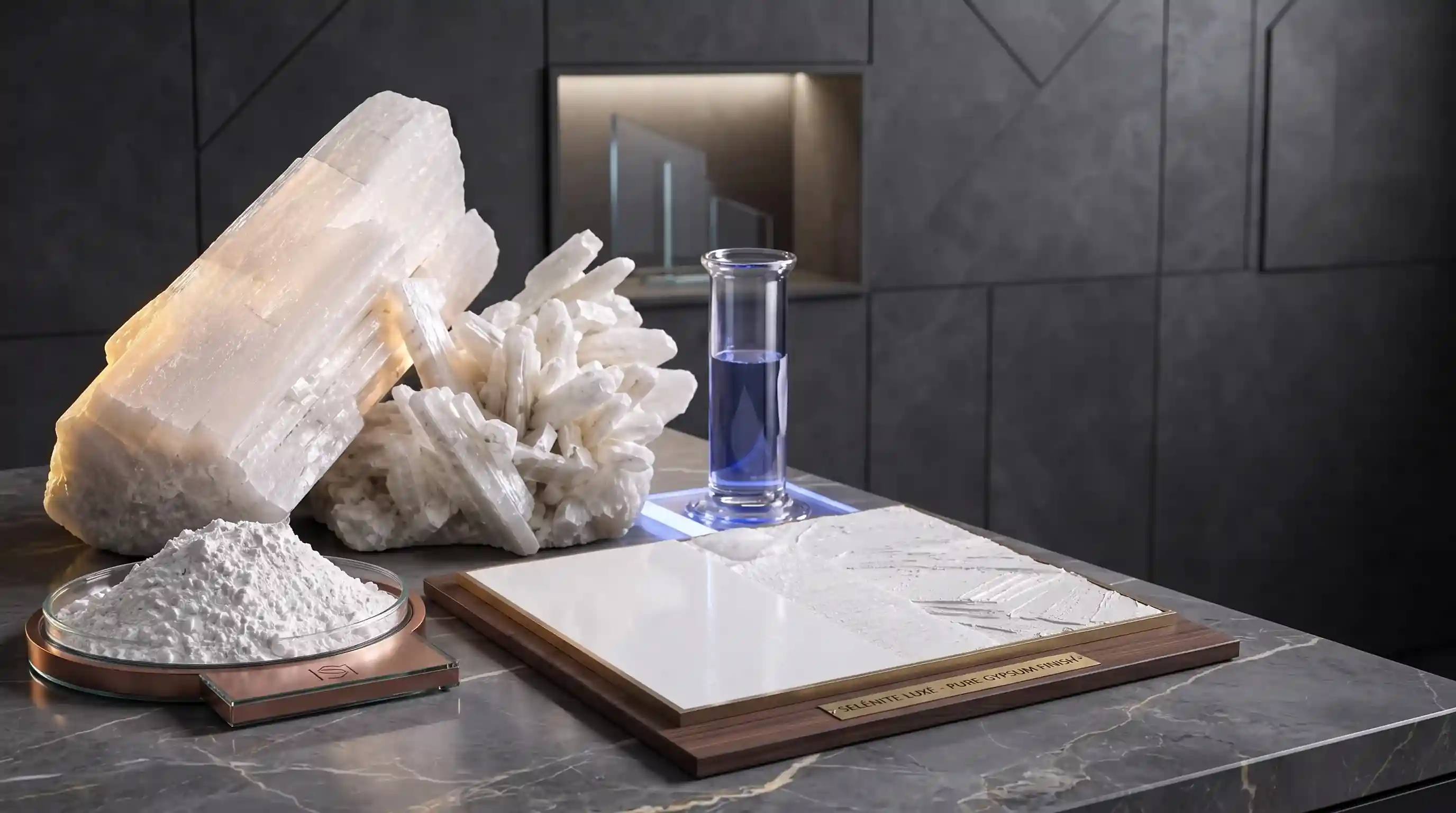
The particle size of minerals is one of the most vital quality-determining factors in process industries. The 450 to 2500 mesh range covers a wide spectrum of particle sizes, each optimized for specific applications. Lower meshes (such as 450) are mostly used in applications requiring high flowability and lower viscosity, whereas higher meshes (up to 2500) are employed for extremely thin coatings and precise polymer films.
Micronizing white barite with advanced industrial equipment requires precise control of grinding and classification parameters. A narrow and uniform particle size distribution (PSD) ensures that no coarse grains remain in the final paint or polymer structure, resulting in a completely smooth and polished final surface.
Strict quality control within this mesh range guarantees that the mechanical properties of the product do not degrade. Production engineers obtain the highest productivity from this valuable mineral by properly selecting the mesh based on viscosity and gloss requirements.
Comparing White Barite with Other Mineral Fillers in the Industry
In formulation engineering, selecting the appropriate mineral filler from numerous options such as calcium carbonate, talc, kaolin, and barite requires a precise economic and technical analysis. White barite possesses distinct features due to its high density and chemical purity that set it apart from calcium carbonate. The high density of this material helps control specific gravity and creates a specific acoustic property in parts.
Compared to calcium carbonate, this material has much higher stability against acids and does not undergo decomposition or gas generation in corrosive environments. Furthermore, its dazzling whiteness creates tight competition with expensive white pigments and drastically reduces final production costs.
Industrial studies show that combined use of various minerals, such as bentonite in process and purification sectors, or the use of polymeric fillers, creates a more complete cycle of productivity. For instance, examining the role of bentonite in water and industrial wastewater treatment demonstrates how various mining industries play a role across different factory sectors.

Economic Benefits and Production Cost Optimization Using White Barite
Cost management in industrial production without compromising quality is the primary goal of any successful production manager. Using cheaper mineral fillers instead of expensive polymeric raw materials or synthetic pigments is a standard strategy for reducing finished prices. As an abundant and processed mineral, white barite is considered an economical and high-quality alternative.
In addition to reducing raw material purchase costs, this material minimizes overhead expenses by improving processing properties such as reducing injection cycle time, improving thermal stability, and decreasing production waste. The quality uniformity of Kani Sang Amiran project products ensures that production lines operate with minimal downtime and maximum efficiency.
Ultimately, investing in premium minerals with the standard 450 to 2500 mesh range creates high added value for the final product and guarantees companies' competitive advantage in domestic and foreign markets.
Future Outlook and Quality Standards in the Production and Processing of White Barite
With the daily development of manufacturing technologies and the necessity of observing environmental and quality standards, the demand for high-purity minerals with engineered granulation is on the rise. The mineral processing industry in Iran is also moving towards greater mechanization and more precise particle size control in step with these developments.
Relying on up-to-date technical know-how and utilizing advanced micronization equipment, the Kani Sang Amiran project strives to maintain high quality standards in supplying white barite. Developing export markets and supplying the needs of domestic paint, coating, and polymer industries are among the most important goals of this organization.
Strict adherence to quality control protocols across all stages of production, from mine extraction to final packaging in 450 to 2500 meshes, provides industrial consumers with peace of mind to achieve the best results in their specialized formulations.

| Question |
Answer |
| What is white barite and what are its applications? |
White barite is a natural and pure barium sulfate used as a mineral filler in the paint, coating, and polymeric product industries. |
| What is the mesh range of Amiran white barite? |
This product is processed and supplied in the 450 to 2500 mesh range. |
| Is this product used in the paint industry? |
Yes, it is used as a filler pigment to increase hiding power, control gloss, and improve paint resistance. |
| What is the role of this material in polymer industries? |
It improves the elastic modulus, dimensional stability, surface hardness, and reduces the shrinkage of polymeric parts. |
| Why is white barite preferred over calcium carbonate? |
Higher density, greater chemical stability against acids, and extraordinary whiteness are among its advantages. |
| How can this product be ordered? |
By visiting the dedicated product page on the Kani Sang Amiran website, you can obtain the necessary information. |
| Does it have thermal stability? |
Yes, this material has excellent thermal stability and exhibits good resistance in the thermal processes of plastics. |
| What effect does particle size distribution have? |
Uniform particle distribution in high meshes prevents the formation of coarse grains and creates a smooth surface. |
| Is it used for acoustic insulation? |
Its high density helps improve acoustic and thermal insulation properties in certain composites. |
| Where is the producer of this product located? |
This product is produced and supplied by the Kani Sang Amiran project. |
Kani Sang Amiran Specialized Reference for Minerals and Industrial Materials - Product Technical Information
:: برچسبها:
White Barite ,
The Role of White Barite in the Paper and Industrial Cardboard Manufacturing Industries ,
:: بازدید از این مطلب : 2
|
امتیاز مطلب : 0
|
تعداد امتیازدهندگان : 0
|
مجموع امتیاز : 0


 عضو شوید
 عضویت سریع
 آمار مطالب
 آمار بازدید


