
Why Are Iran's Feldspar Mines of Strategic Importance?

Why Are Iran's Feldspar Mines of Strategic Importance?
Introduction to the Strategic Importance of Feldspar in Iranian Mines
Iran's feldspar mines, as one of the country's richest and most valuable mineral resources, play a highly key and strategic role in industrial and economic development. This versatile mineral is recognized as a strong thermal flux in various industries, and its significant reserves are scattered across different geographical regions of Iran. Understanding the position of this mineral requires a careful examination of the geological structure and extraction potentials, which in recent years has attracted the attention of many mining activists and related industries.
The strategic importance of these resources is not limited only to the volume of reserves, but the quality and diversity of chemical compositions within them are also important. Advanced industries depend heavily on the sustainable supply of this mineral to enhance the quality of their final products. Examining market trends and economic developments in this field, including analyses related to feldspar price analysis in the Iranian mineral market, demonstrates the specific fluctuations and dynamics of this market, which have a direct impact on macro-industrial planning.
In addition, the extraction and processing of neighboring and complementary minerals alongside these resources are of great importance. For example, studying the extraction methods and applications of an introduction to mines and dolomite stone extraction in Iran shows how synergy between raw mineral materials can lead to the optimization of production processes. Meanwhile, feldspar is in the spotlight of specialists as one of the primary items supplying alkaline oxides and alumina.
The supply chain of this mineral, from the extraction stage at the mine to delivery to industrial units, goes through complex stages that require up-to-date technology and optimal management. Investing in the exploration and equipping of the country's mines can create very high added value and minimize the dependence of domestic industries on the import of similar raw materials.
The Role of Feldspar in the Glassmaking Industry and Its Advantages
The glassmaking industry is one of the main and major consumers of this mineral, where the unique properties of this material are maximally utilized. In the production process of various flat glasses, glass containers, and glass fibers, this mineral compound acts as the primary source supplying alumina and alkalis (sodium and potassium). The presence of these elements leads to a reduction in the melting point of the glass mixture, lower furnace energy consumption, and increased durability and resistance of the final product against impact and heat.
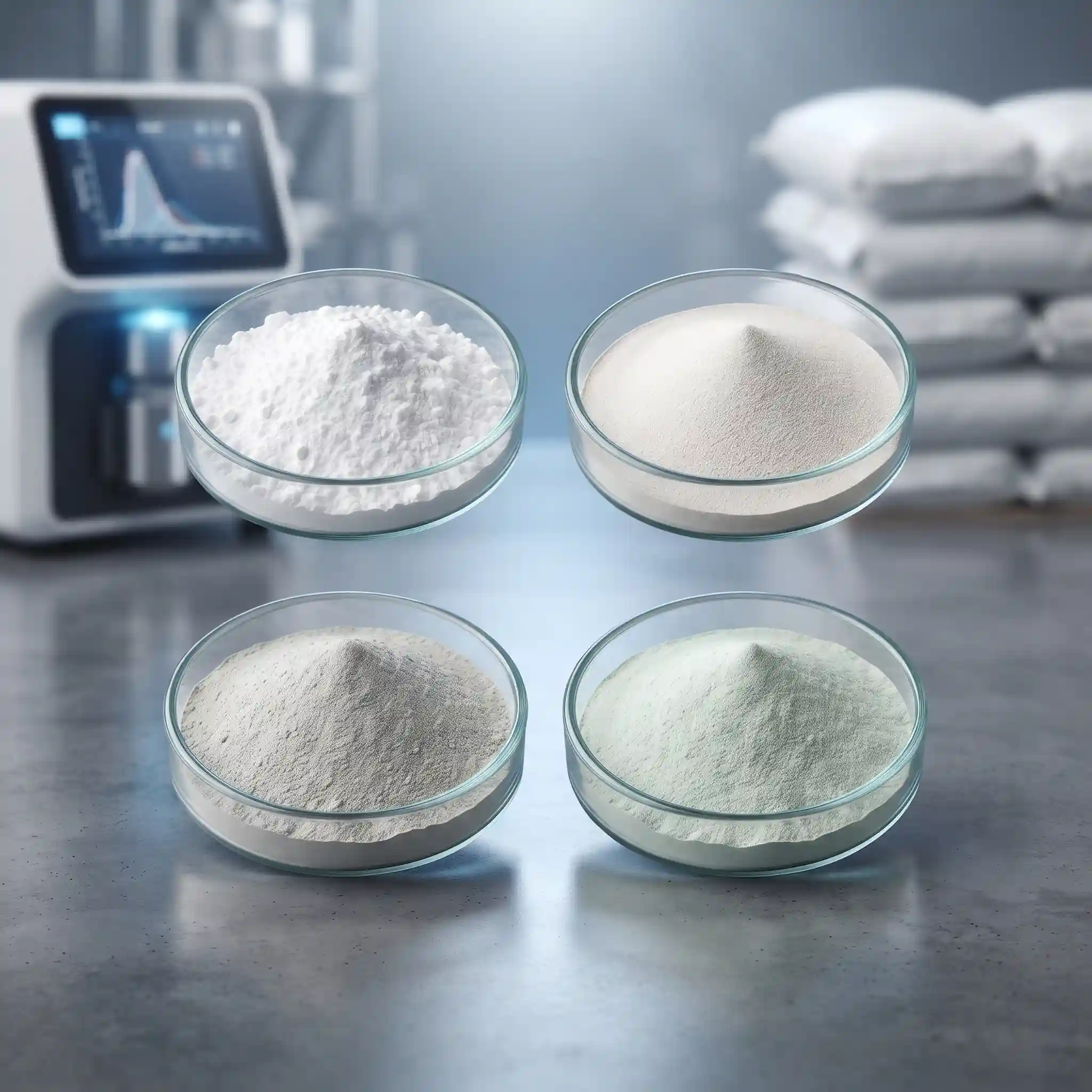
For optimal use in this industry, precise granulation and mesh sizing of the mineral are of high importance. In project collections related to feldspar, products are produced and supplied in a mesh range of 10 to 450 mesh, which meets the precise needs of glass production lines. This diversity in particle size allows engineers to optimally control the dissolution rate and reactivity of raw materials.
Controlling the amount of iron present in the mineral consumed in glassmaking is very crucial, because iron oxide can cause undesirable coloration in the glass. For this reason, advanced magnetic separation and purification processes are applied to these mineral rocks to deliver a product with the highest purity to glass manufacturing factories. This precision in production guarantees the final quality of transparent and industrial glass.
Additionally, the stability of the chemical composition and the homogeneity of this mineral help glass manufacturers reduce production waste and maximize furnace efficiency. These advantages have caused the demand for supplying this mineral from domestic mines to always maintain an upward trend.
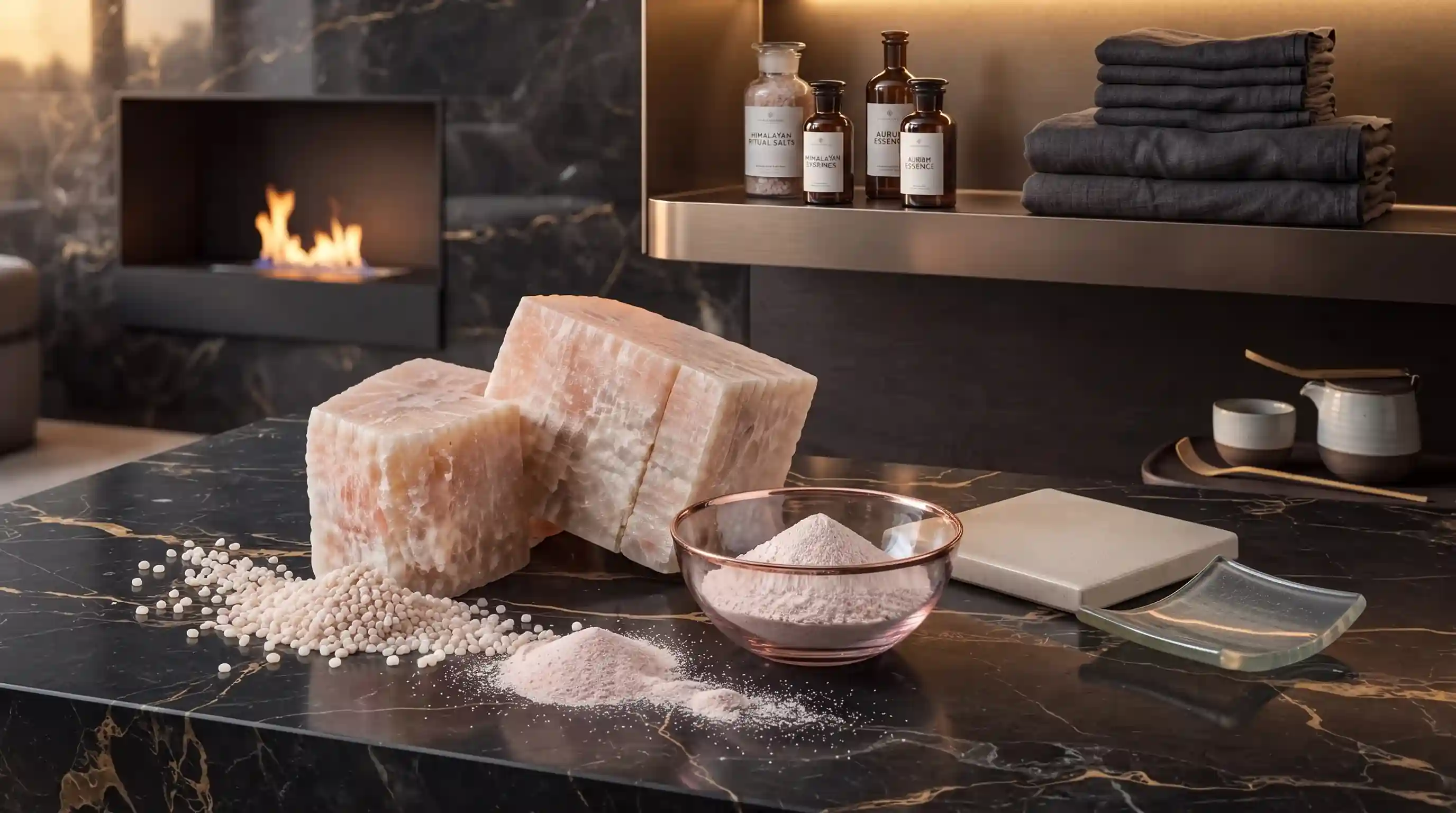
Application of Feldspar in Tile and Ceramic Production
The tile and ceramic industry is another vital sector heavily dependent on this mineral. In the body of tiles and ceramics, this material acts as a strong fluxing charge that melts during firing in industrial furnaces, forming a glassy phase. This liquid or glassy phase helps fill the pores between other particles such as silica and clay, ultimately creating a dense, seamless body with high mechanical strength.
The use of high-quality products with appropriate granulation, including the 10 to 450 mesh range available in feldspar, allows manufacturers to precisely manage firing parameters including firing temperature and body shrinkage rate. This directly affects the dimensional and visual quality of wall and floor tiles.
The chemical composition of this mineral, especially the sodium-to-potassium ratio, determines the thermal behavior of the ceramic body. Potash increases melt viscosity and broadens the firing range, while sodium increases the reaction rate and vitrification. The balance of these two elements in various mines across the country enables formulation specialists to design diverse products.
In addition to the body, in some glaze formulations this material is also used as a key component to create glossy, smooth coatings resistant to chemicals and abrasion. This widespread application demonstrates the irreplaceable role of this material in the modern ceramics industry.
Production of High-Quality Glazes Using Feldspar
Glaze making is one of the most specialized sectors of the ceramic industries, ensuring the aesthetic and protective quality of products. In glaze formulations, this mineral plays the role of a strong flux that reduces the melting temperature of the glaze and promotes better flow over the ceramic body surface. Creating a uniform glassy surface, free of pinholes and bubbles, largely depends on the quality of the raw material used.
The Kani Sang Amirian project, by supplying this mineral in the mesh range of 10 to 450 mesh, makes it possible to use micronized and ultra-fine particles for the production of wet and dry glazes. Finer particles dissolve and react more quickly within the glaze matrix, which significantly contributes to the final transparency and glossiness of the glaze.
The thermal stability of the glaze and the match of its thermal expansion coefficient with the ceramic body are vital factors that prevent glaze cracking (crazing). The balanced presence of oxides in feldspar helps glaze engineers precisely adjust this thermal stability and manufacture products meeting high standards.
Furthermore, the physical and chemical properties of this material improve the glaze's resistance against corrosive chemical agents, acids, and bases. For this reason, careful selection of the type and granulation of this mineral is of extraordinary importance for industries producing kitchen ceramicware and industrial tiles.
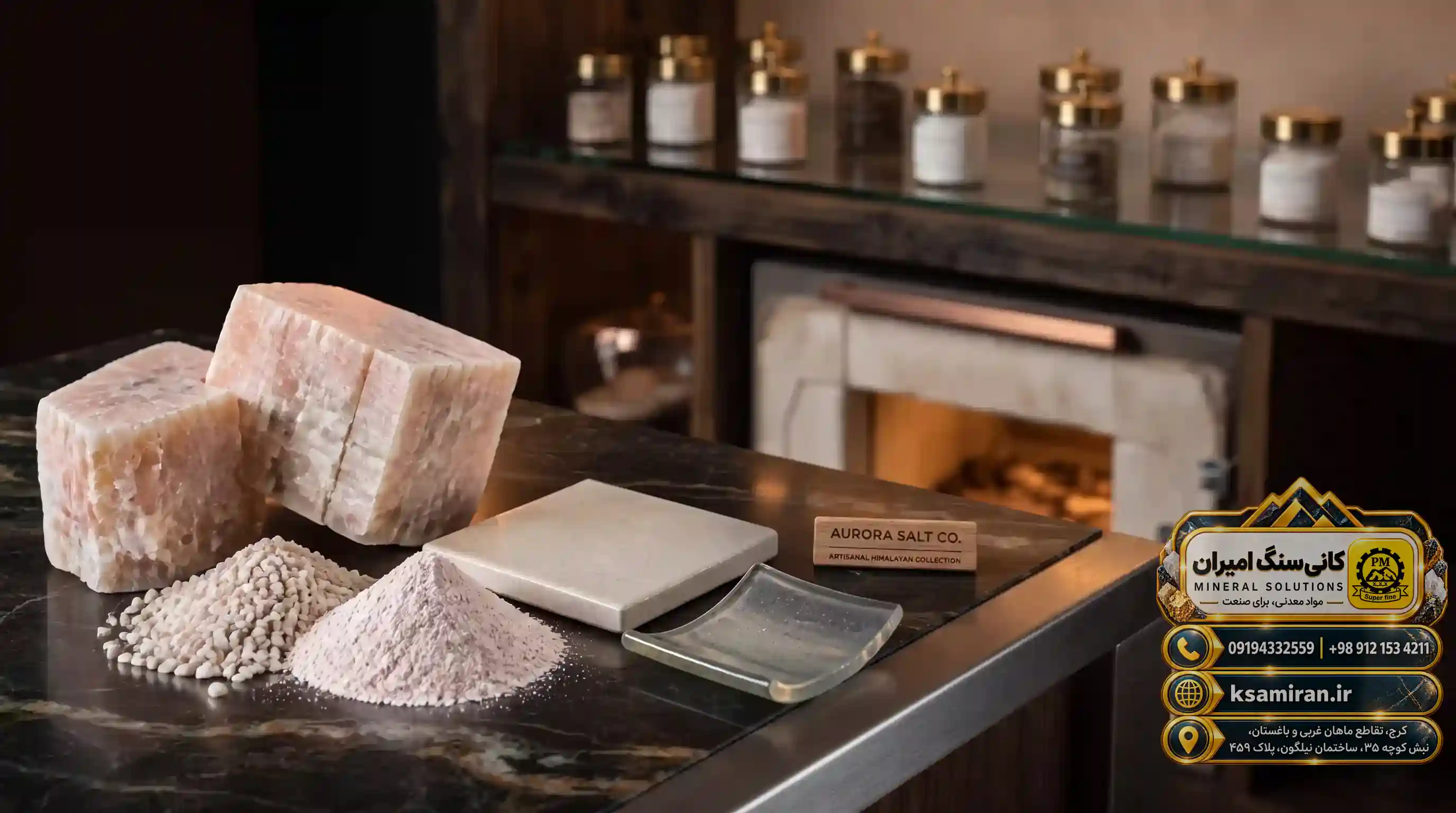
Technical Specifications and Mesh Range of Feldspar Products
Accurate knowledge of technical specifications and mineral granulation is a fundamental requirement for process engineers and purchasing managers in industrial units. Mineral granulation directly affects the specific surface area, chemical reaction rates, slurry rheological behavior, and final product quality. Products supplied in this field have appropriate granulation diversity that covers the needs of a wide spectrum of industries.
Based on production standards, the mesh range of products varies from 10 mesh for coarse-grained applications to 450 mesh for micronized powders. This breadth allows consumers to choose the most accurate granulation based on their grinding equipment, furnaces, and formulation. The use of advanced granulation and quality control equipment guarantees the homogeneity of these products.
The importance of using feldspar with various meshes in the glass, tile, ceramic, and glaze industries is undeniable. For example, medium granulations are used in the glassmaking industry to prevent dust generation and achieve uniform melting, whereas finer powders with higher meshes are preferred in the glaze and advanced ceramics industries.
Reviewing these technical specifications helps industries optimize their production costs and increase energy consumption efficiency in firing furnaces. Precise particle size control minimizes production errors and guarantees repeatable product quality.
Diversity of Applications in Various Mineral and Industrial Sectors
In addition to well-known applications in glass, tile, ceramics, and glazes, this mineral is also used in other industries such as the production of welding electrodes, filters, abrasives, and even as a filler in the paint and plastic industries. In the plastic and rubber industries, micronized powders of this material act as mineral fillers with desirable mechanical properties that increase product durability and stability.
Alongside this material, other minerals are found in nature whose stability studies can provide material engineers with a comprehensive perspective; for example, studies on the properties of why limonite oxide (ochre) has high stability? provide valuable information regarding the behavior of mineral oxides under different conditions. Nevertheless, this particular mineral still holds a special place in silicate industries due to its unique chemical composition.
The high diversity of applications has caused the value chain of this industry to expand, prompting processing units to seek improved purification and micronization methods. The diversity in the 10 to 450 mesh range makes it possible to simultaneously meet the needs of heavy industries and high-precision industries.
Many production units, by utilizing specialized consulting, select the most appropriate grades of this material for their production lines to achieve the highest productivity from the physical and chemical properties of the mineral while reducing costs.
Challenges and Solutions of Feldspar Extraction and Processing in Iran
Mineral extraction and processing are always accompanied by numerous technical, environmental, and economic challenges. In the country's mines, the presence of impurities such as iron oxides, titanium, and mica is among the main obstacles on the path to producing high-purity products. To overcome these challenges, utilizing advanced processing methods including high-intensity magnetic separation and flotation is essential.
In addition to technical issues, the transportation costs of minerals from the mine to consumer factories are one of the determining factors in the final cost. For this reason, optimizing the location of processing units and developing rail and road transportation infrastructure are of special importance. Careful planning in this area can significantly increase the economic productivity of mines.
Compliance with environmental standards during extraction and granulation stages, including dust control and industrial wastewater management, is another important responsibility of activists in this field. Using modern dust collection equipment and recycling water in processing circuits minimizes negative environmental impacts.
The Kani Sang Amirian project collection, utilizing up-to-date technical knowledge and strict quality control, has endeavored to produce standard products matching the needs of the glass, tile, ceramic, and glaze industries. These measures play an important role in alleviating the quality concerns of domestic manufacturers.
Future Market Outlook and Export Development of Mineral Products
Considering the daily growth of construction, glassmaking, and ceramic industries in the region, the market outlook for these minerals is assessed as very bright and promising. The development of low-energy furnace construction technologies and the upgrading of industrial production lines require a sustainable supply of high-quality raw materials, which highlights the role of domestic mines more than ever.
The export of processed mineral products with high added value, instead of raw mineral stone export, is considered one of the main strategies for the country's economic development. Supplying micronized and granulated powders with international standards can strengthen the presence of Iranian producers in regional and global markets.
Investing in research and development (R&D) to find new applications and improve the quality of processed products is the key to survival and competitiveness in the future market. Accurately identifying customer needs and adapting product specifications to strict industrial standards paves the path for the sustainable development of this industry.
Ultimately, relying on rich domestic reserves and upgrading processing technologies, Iran can become one of the main hubs for supplying silicate raw materials in the region and bring high added value to the national economy.
| Question | Answer |
|---|---|
| What is feldspar and what are its applications? | It is an important mineral introduced primarily for glass, tile, ceramic products, and glazes. |
| What is the mesh range of Amirian feldspar products? | Products are produced and supplied in a mesh range of 10 to 450 mesh. |
| Why is this mineral used in glassmaking? | Due to supplying alumina and alkalis, it lowers the melting point and increases glass durability. |
| What is the role of feldspar in the tile and ceramic industries? | It acts as a fluxing charge and, by forming a glassy phase, densifies and strengthens the body. |
| How is this material used in glaze production? | By reducing the melting temperature of the glaze, it creates a smooth, glossy, and abrasion-resistant surface. |
| Does the price of this mineral fluctuate in the Iranian market? | Yes, market reviews indicate the impact of various factors on the price of this mineral. |
| What other minerals are extracted in Iranian mines? | In addition to this material, dolomite stone and various mineral oxides are also extracted and processed. |
| Why is the purification of this mineral stone important? | It is extremely vital for removing impurities such as iron oxide and improving final quality in sensitive industries. |
| How can the best grade be selected for the production line? | According to the type of application, required mesh granulation, and consultation with the collection's technical experts. |
| Is it possible to send orders in various meshes? | Yes, the capability to supply products in the specified range with homogeneous quality is provided. |
Kani Sang Amirian Project — Mineral production and specialized supplier of industrial feldspars












ورود کاربران
خوش آمدید! لطفا وارد حساب خود شوید