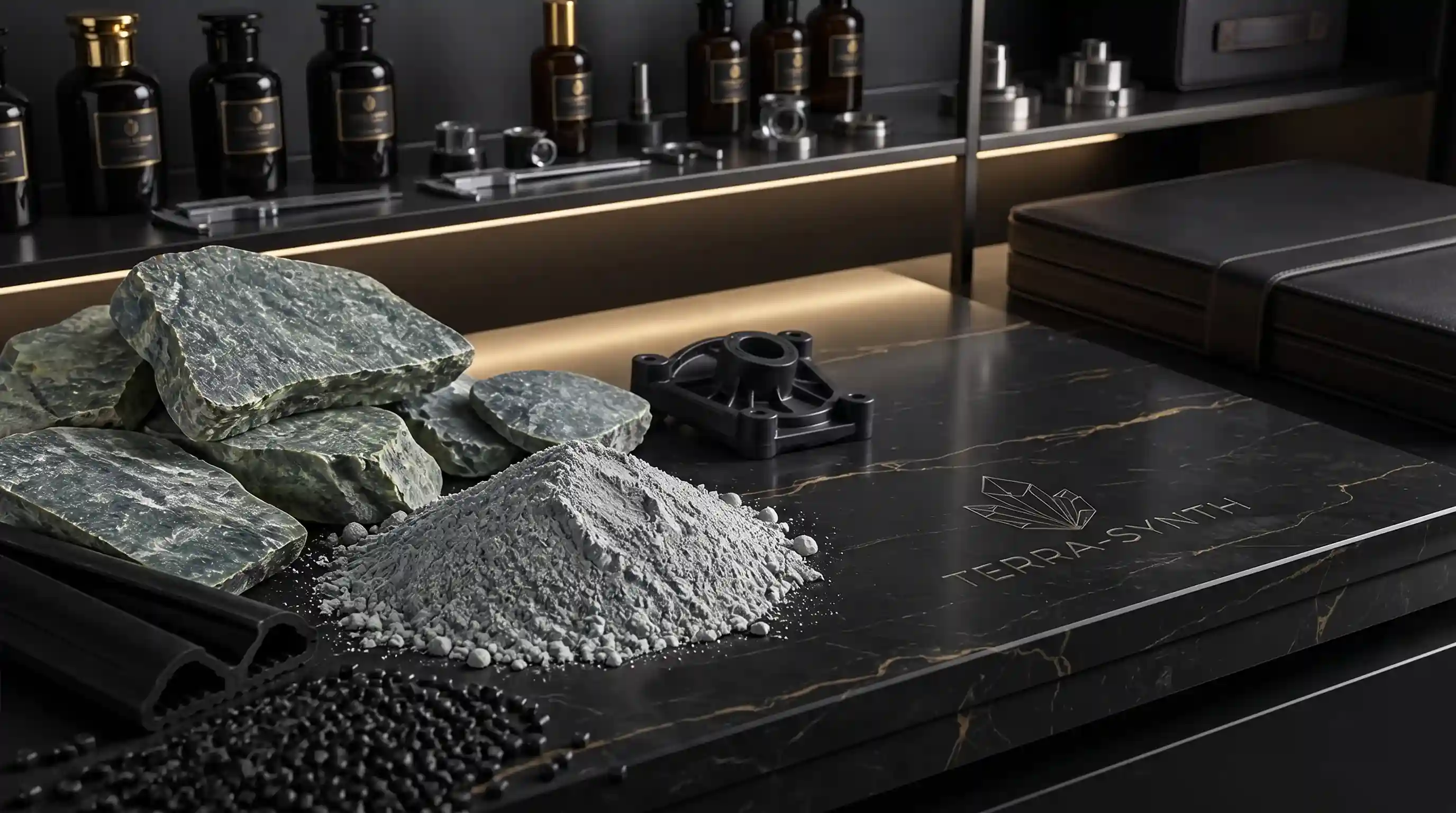
Applications of Industrial Talc in Various Industries and Its Characteristics
Introduction to Industrial Talc and Its Importance in Modern Industries
Industrial talc is one of the most important and widely used minerals, holding a special place in various manufacturing processes due to its unique physical and chemical characteristics. Prepared in the form of micronized powder, this material plays a key role in improving the quality of final products. In modern industries, selecting high-quality raw materials is of utmost importance, and industrial talc is recognized as a primary choice in many formulations.
Kani Sang Amiran Mineral Project, as a reputable mineral manufacturer, processes and supplies this product with high precision. Understanding the properties of this mineral helps industrialists significantly increase the efficiency of their production lines by utilizing it. In this article, we intend to provide a comprehensive review of the characteristics, applications, and benefits of using this material in various industries.
The structural properties of talc allow it to exhibit good stability when exposed to heat, pressure, and chemical agents. This stability ensures the performance of the final product and increases its lifespan. The presence of this mineral in material compositions provides a significant competitive advantage for manufacturers.
The use of standard mineral powders has always been a concern for production engineers. By sourcing this product from reliable sources, uniform and reliable results can be achieved in the production of polymer, rubber, and paint products. In the following sections, we will point out more details about this valuable material.
Physical and Chemical Characteristics of Industrial Talc
In terms of chemical structure, industrial talc is a hydrated magnesium silicate whose structural characteristics give this material extraordinary softness and lubricity. One of the prominent features of this mineral powder is its mesh range, which is usually between 450 and 1000 mesh. This precise sizing allows for the homogenous dispersion of the powder in various matrices.
Another important feature of this material is its chemical inertness. This property means that talc does not react undesirably with other formulation components, maintaining the chemical stability of the final product. Additionally, the white color and brilliance of this powder make it ideal for use in industries where product appearance is important.
The natural softness of talc reduces the wear and tear of production equipment and machinery during mixing and processing, which in turn lowers maintenance costs for production lines. Furthermore, the good thermal resistance of this material makes it resilient against high processing temperatures.
Kani Sang Amiran Mineral Project produces a product with stable technical specifications through precise mineral processing. Continuous quality control over the 450–1000 mesh range ensures that the output particles fully match the standards required by industries.

Application of Industrial Talc in the Polymer and Plastic Industry
The polymer and plastic industry is considered one of the largest consumers of industrial talc. The addition of this mineral powder to polymers is done as a filler and to improve mechanical properties. The 450–1000 mesh range enables uniform particle distribution within the polymer matrix, which directly affects the improvement of tensile strength and flexural modulus of plastic parts.
The use of this material in the production of automotive plastic parts, home appliances, and packaging products reduces part shrinkage after the injection or extrusion process. Moreover, the dimensional stability of polymer parts containing this powder against temperature changes is improved, which is a vital advantage in engineering applications.
In addition to improving mechanical properties, the presence of this mineral can help reduce the final cost of polymer products without causing a noticeable drop in final quality. This economic feature, alongside improved performance, brings high added value to manufacturers of plastic parts.
Industrial studies show that the compatibility of this material with various thermoplastic and thermoset polymers makes it an unrivaled choice. Alongside this material, other minerals such as applications of industrial barite in the production of sound and thermal insulation also have widespread applications in related industries, completing the optimization of product performance.
The Role of Industrial Talc in the Rubber Manufacturing Industry
In the rubber manufacturing industry, industrial talc is recognized as an active agent and practical filler. This material helps improve the processability of rubber compounds and facilitates the flowability of raw materials during the curing and molding process. The appropriate sizing of this powder within the 450–1000 mesh range plays an important role in enhancing elastomeric properties.
The use of this mineral in the production of rubber products such as various gaskets, strips, automotive tires, and anti-vibration parts increases tear and abrasion resistance. Furthermore, the natural anti-stick property of talc prevents rubber layers from sticking to equipment and molds.
Thermal stability and resistance to weathering are other advantages of adding this powder to rubber formulations. These features ensure that manufactured rubber products have a longer useful lifespan under harsh working conditions.
Rubber product manufacturers can maintain uniform quality in their products and easily pass strict market quality standards by utilizing standard raw materials supplied by Kani Sang Amiran Mineral Project.
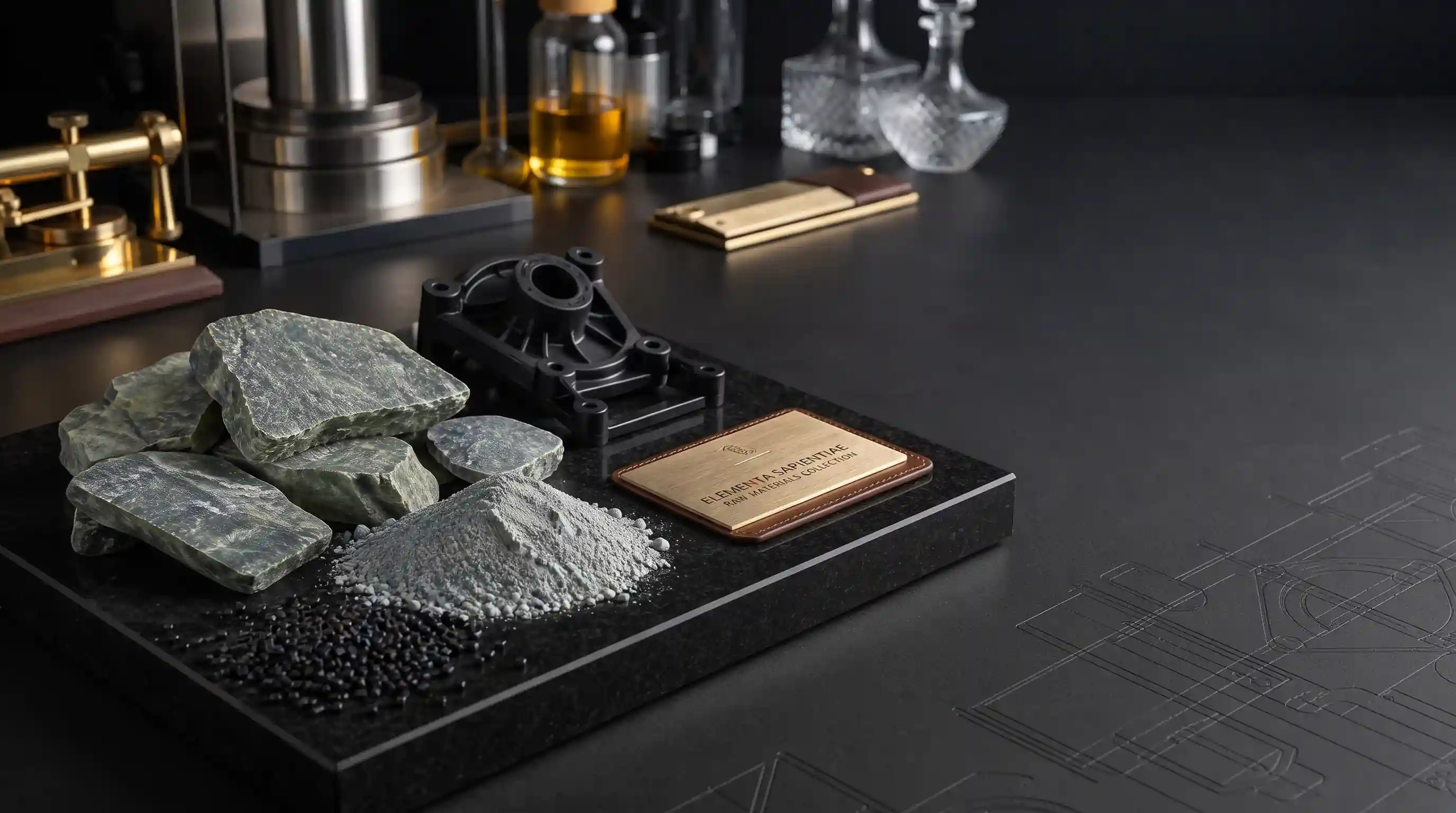
Application of Industrial Talc in the Paint and Coatings Industry
The paint and coating industry is another vital area where industrial talc plays a key role. This powder is used as a whitening agent, extender pigment, and adhesion enhancer in various architectural and industrial paints. The micronized particles within the 450–1000 mesh range significantly improve the hiding power and opacity of the paint.
The presence of this material in paint formulations helps control viscosity and prevents pigment settling during storage. Additionally, the hydrophobic property and corrosion resistance of this mineral powder increase the durability and stability of protective coatings on metal and concrete surfaces.
In addition to architectural paints, this mineral is also used in the production of anti-rust coatings, primers, and traffic paints to improve the mechanical properties of the paint film. The flaky structure of talc particles prevents moisture and corrosive agents from penetrating the underlying surface.
Paint manufacturers can supply paints with superior surface quality and longer durability to the market by carefully selecting raw materials, including products from Kani Sang Amiran Mineral Project, resulting in final customer satisfaction.
Other Industrial Applications of Talc and the Importance of Its Purity
In addition to polymers, rubber, and paint, industrial talc is also used in a wide range of other industrial products. The ceramics, paper making, adhesive and sealant manufacturing, as well as pharmaceutical and cosmetic industries (with various degrees of purity) are among the major consumers of this material. This breadth of application demonstrates the high flexibility of this mineral.
In various industrial processes, the purity and uniformity of the mineral powder are of vital importance. Impurities present in raw materials can severely affect the quality of the final product. For this reason, precise processing in advanced manufacturing plants is essential.
Alongside talc, other minerals such as the role of bentonite in water and industrial wastewater treatment also play an important role in optimizing industrial processes, demonstrating the scale of industrial mineral applications across various production sectors.
Focusing on principled extraction and precise processing, Kani Sang Amiran Mineral Project supplies products with specified and reliable technical characteristics to the country's industries, meeting various engineering and manufacturing needs.
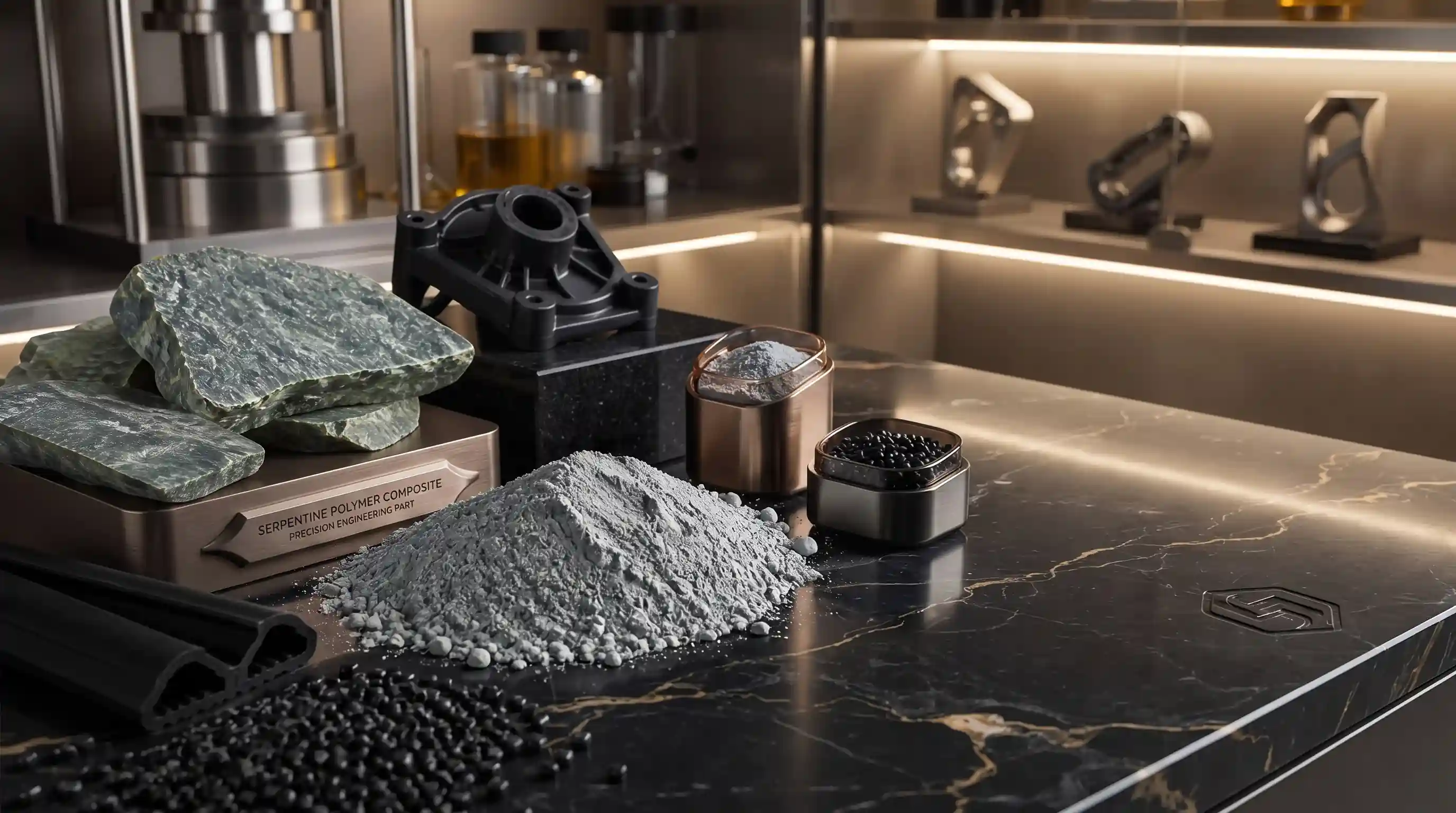
Economic and Technical Benefits of Using Micronized Talc Powder
The use of micronized industrial talc brings significant economic and technical benefits to manufacturing industries. From a technical perspective, precise sizing in the 450–1000 mesh range improves the dispersion and homogenization of materials in the final composition, which increases production process efficiency.
From an economic perspective, this material, as a cost-effective filler, enables the optimization of formulations and reduces final production costs without a drop in quality. This competitive advantage allows companies to have a stronger presence in today's competitive markets.
Furthermore, the reduction of mechanical equipment wear due to the natural softness of this mineral powder minimizes depreciation and maintenance costs for industrial machinery. This feature is of special importance in continuous production lines.
Relying on the stable quality of products supplied by Kani Sang Amiran Mineral Project, manufacturers can achieve higher productivity, reduced waste, and quality stability in their final products.
Guide to Choosing and Buying Suitable Industrial Talc
The correct selection of industrial talc requires a precise understanding of the technical needs of the production process. Factors such as mesh range, whiteness level, chemical composition, and final application type (such as polymer, rubber, or paint) will determine the appropriate powder type. A careful review of these parameters prevents problems on the production line.
Manufacturers should choose products that have a valid technical data sheet and are completely uniform in terms of particle size distribution quality. Furthermore, the continuous and stable supply of raw materials to prevent production line shutdowns is of high importance.
Alongside talc, understanding other practical minerals such as getting to know the features of industrial limonite oxide (gole mash) can also give formulation design engineers a comprehensive perspective for choosing the best raw materials.
As a specialized supplier of minerals, Kani Sang Amiran Mineral Project is ready to provide the necessary consultations to select the best product suited to your industrial needs. Contacting sales experts can smooth the path for raw material supply.
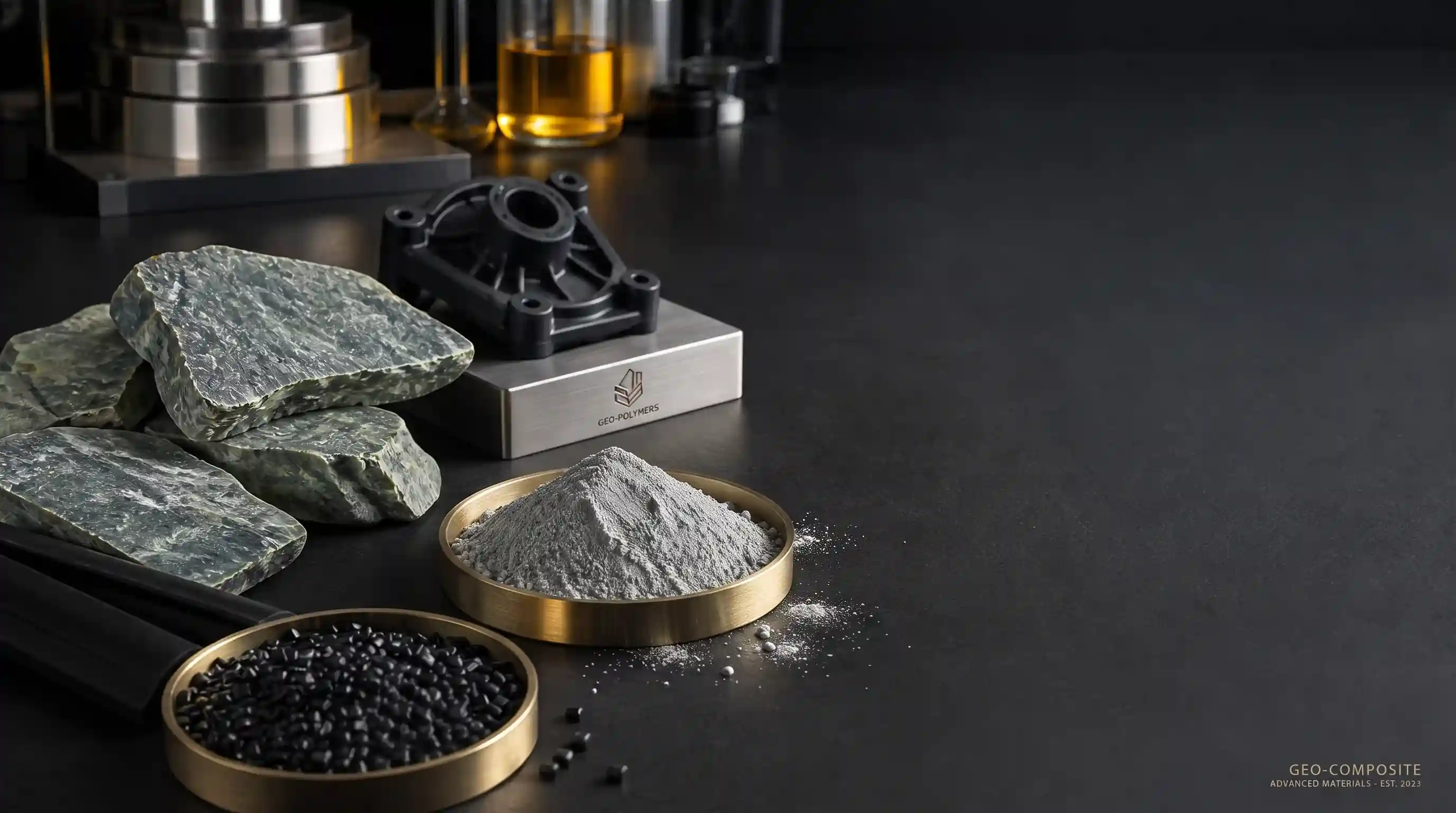
| Question |
Answer |
| What is industrial talc? |
It is a processed magnesium silicate mineral used as a filler and property enhancer in polymers, rubber, and paint. |
| What is the mesh range of industrial talc? |
This product is produced and supplied in a mesh range of 450 to 1000 mesh. |
| What are the main applications of industrial talc? |
Polymer products, rubber products, paint, and various industrial applications. |
| Is this material used in the paint industry? |
Yes, it is used as an enhancer for coverage, opacity, and paint film stability. |
| What is the role of talc in the rubber industry? |
Improving processability, increasing tear resistance, and preventing compound stickiness. |
| What is the advantage of using talc in polymers? |
Increasing mechanical strength, reducing shrinkage, and improving dimensional stability of plastic parts. |
| How can this product be obtained? |
It can be ordered through the dedicated product page on the Kani Sang Amiran Mineral Project website. |
| Is this powder heat resistant? |
Yes, the mineral structure of talc shows good stability against processing temperatures. |
| Why is mesh sizing important? |
Sizing in the 450–1000 mesh range ensures uniform particle dispersion in the material matrix. |
| Who produces this product? |
Kani Sang Amiran Mineral Project supplies it as a mineral manufacturer. |
Kani Sang Amiran Mineral Project — Reference for mineral and industrial material production and processing.
:: برچسبها:
Industrial Talc ,
Applications of Industrial Talc in Various Industries and Its Characteristics ,
:: بازدید از این مطلب : 0
|
امتیاز مطلب : 0
|
تعداد امتیازدهندگان : 0
|
مجموع امتیاز : 0


 عضو شوید
 عضویت سریع
 آمار مطالب
 آمار بازدید


