
Review of the Benefits of Using Kaolin in Architectural Paints
Introduction to the Importance of Kaolin in the Paint Manufacturing Industry
The architectural paint industry is one of the most dynamic yet specialized industrial fields, heavily dependent on high-quality mineral raw materials to enhance the qualitative characteristics of its final products. Amidst this, the use of suitable mineral fillers and pigments plays a decisive role in the ultimate properties of paint. The mineral kaolin, as one of the most important hydrated aluminum silicates, has secured a special place in the formulation of architectural paints. Extracted from rich mines, this substance has managed to create a major transformation in improving the quality of architectural paints due to its unique physical and chemical characteristics.
Choosing standard raw materials in paint production requires a precise understanding of their physical and chemical properties. Among various mineral fillers, this substance is known for its specific layered structure. A detailed examination of production parameters demonstrates the extent to which the use of processed minerals can be effective in optimizing industrial processes. To better understand the importance of mineral standardization, reading Review of Standard Mesh Grading in Various Coated Calcium Carbonates provides valuable insights into the importance of particle dimensions for specialists, which also overlaps with the granulation principles of this material.
In modern paint formulation, the primary goal is to achieve excellent coverage, high durability, and an attractive appearance. Manufacturers are constantly seeking raw materials that, in addition to reducing final costs, guarantee the final quality of the product. Thanks to its inherent properties, this mineral compound has successfully met these complex demands. In the following sections of this article, we will examine the various dimensions of using this valuable material in the paint industry and other related applications.
The Kani Sang Amiran Project collection, by specialized provision of this mineral, has established a suitable platform for various industries to access standard raw materials. A precise understanding of the technical characteristics of this compound helps engineers and formulators utilize it with greater confidence in their production lines and significantly elevate the quality of their final products.
Comprehensive Understanding of Kaolin and Its Structural Properties
To understand why this compound is widely applied across various industries, we must first become familiar with its chemical and physical structure. This material is a layered aluminum silicate whose chemical formula includes silica, alumina, and water of crystallization. The crystalline structure of this substance consists of thin hexagonal sheets stacked upon one another. This unique layered structure imparts special mechanical and optical properties that are highly significant in industrial applications.
One of the most important features of this mineral is its high purity and natural whiteness. This characteristic allows it to act as an extender pigment or white filler in architectural paints, helping to improve the brightness and sheen of the paint. Furthermore, particle size and its dimensional distribution have a direct impact on the ultimate performance of this material. The standard mesh range for this substance typically varies between 450 and 1500 mesh, indicating high precision in the micronization process and preparation for sensitive industrial uses.
Evaluating the purity and quality of minerals requires scientific and precise methods to separate high-grade samples from substandard items. Engineers and quality controllers must be familiar with key quality indicators. In this regard, a careful study of the quality principles of similar minerals, such as what is discussed in the article Guide to Identifying High-Quality Silica from Substandard Samples, can serve as a very useful guide for evaluating the purity of this material as well.
Utilizing advanced processing equipment, the Kani Sang Amiran Project produces and supplies this material within the standard mesh range of 450–1500 mesh. This precision in granulation ensures that particles are uniformly distributed within the paint matrix and exhibit the best performance. Chemical stability, neutrality against acids and weak bases, and non-reactivity with other formulation components are among the other valuable structural features of this substance.
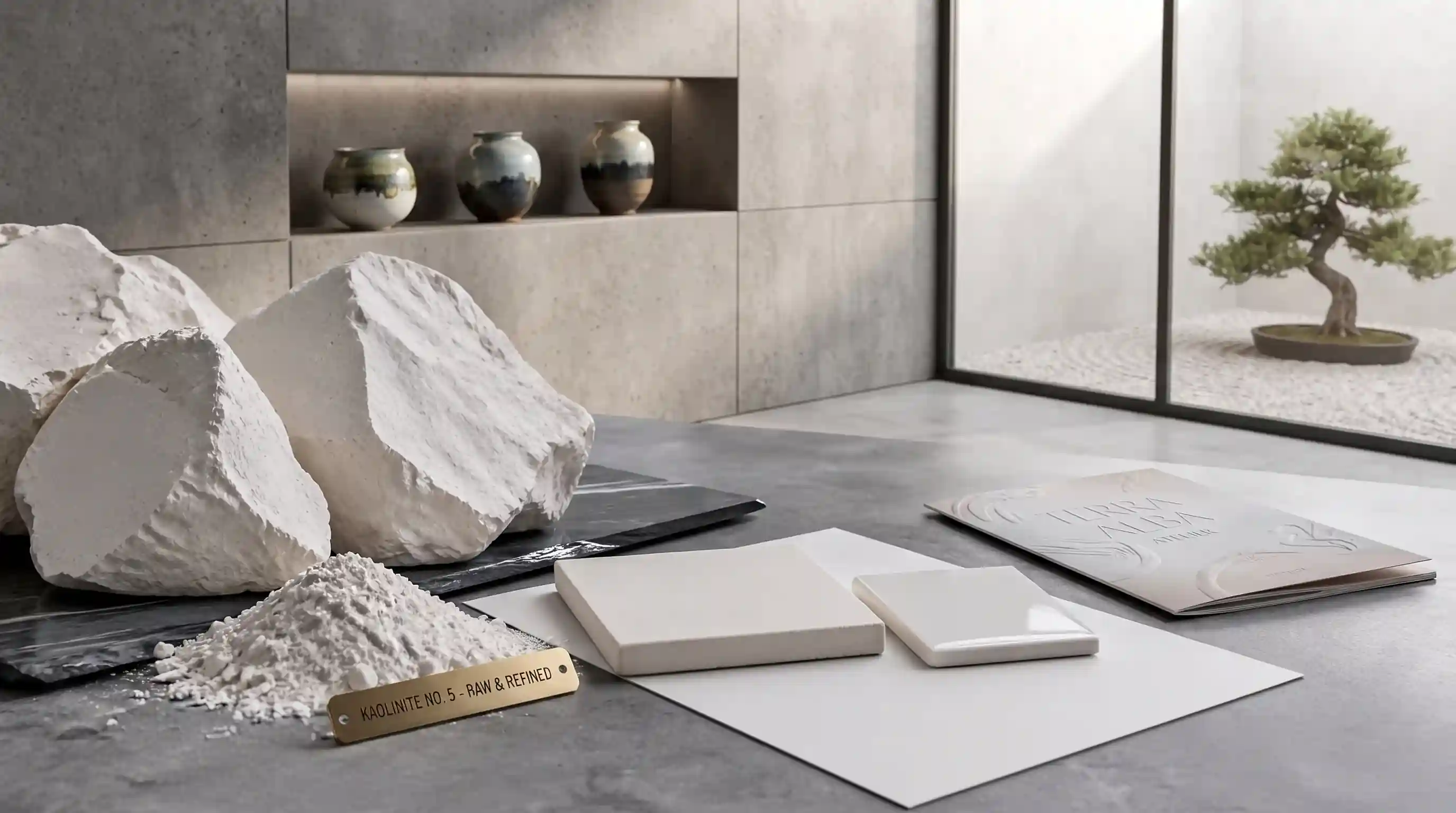
The Key Role of Kaolin in Improving the Properties of Architectural Paints
Architectural paints must exhibit high resistance to various atmospheric factors, abrasion, moisture, and temperature fluctuations. Adding this mineral to the paint formulation creates a barrier effect due to the flaky structure of the particles. This means that the flake-shaped particles align parallel to the paint surface, blocking the pathways for moisture, oxygen, and corrosive agents to penetrate the underlying layers. As a result, the durability and lifespan of the paint are significantly increased.
In addition to resisting the penetration of destructive elements, this material has a direct effect on improving the practical application features of the paint during execution. Improving viscosity, preventing paint sagging on vertical surfaces, and increasing overlapping properties are among the important rheological benefits of this substance. Paints containing optimal amounts of this compound provide a smoother and more uniform coverage when applied with a brush or roller, satisfying both painters and end consumers.
From the perspective of production economics, utilizing this material as an efficient extender makes it possible to reduce the consumption of more expensive pigments such as titanium dioxide (TiO2) without sacrificing the apparent quality of the paint. This leads to production cost optimization for paint manufacturing plants. Paint producers are constantly seeking a balance between final cost and high quality, and this material establishes precisely that balance.
For more information on the technical features and how to procure this product, you can visit the dedicated page for Kaolin. There, you will find complete details regarding the physical specifications, mesh sizing, and diverse applications of this industrial product, supplied and distributed by the Kani Sang Amiran Project.
Diverse Industrial Applications Alongside the Paint Industry
Although the primary focus of this article is on the application of this material in architectural paints, its broad and vital applications in other mother industries should not be overlooked. Due to its unique chemical and thermal properties, this mineral compound is considered one of the most heavily consumed raw materials in the ceramic, tile, glaze, and papermaking industries. The high diversity of applications demonstrates the extraordinary adaptability of this mineral to various industrial needs.
In the tile and ceramic manufacturing industries, this material acts as one of the main components of the ceramic body and glaze. The presence of this compound improves the plasticity of ceramic clay, reduces shrinkage during drying and firing, and increases the mechanical strength of the green body prior to firing. It also significantly assists in creating a smooth, even, and flawless surface in ceramic glaze formulations, playing a substantial role in the final beauty and quality of the product.
The papermaking industry is another major consumer of this valuable mineral. In this industry, this compound is used as a filler and coating on the paper surface. Its use increases brightness, opacity, surface smoothness, and improves the printability of paper. The fine particles of this material fill the voids between cellulose fibers, providing a suitable surface for high-quality printing.
Technical evaluations show that high thermal resistance is another prominent feature of these materials. To read more about thermal behavior and the application of similar materials in refractory industries, reviewing the specialized article The Role of Kaolin in Improving the Thermal Resistance of Refractory Materials provides extremely valuable information for engineers and researchers, rounding out the scope of this material's applications.
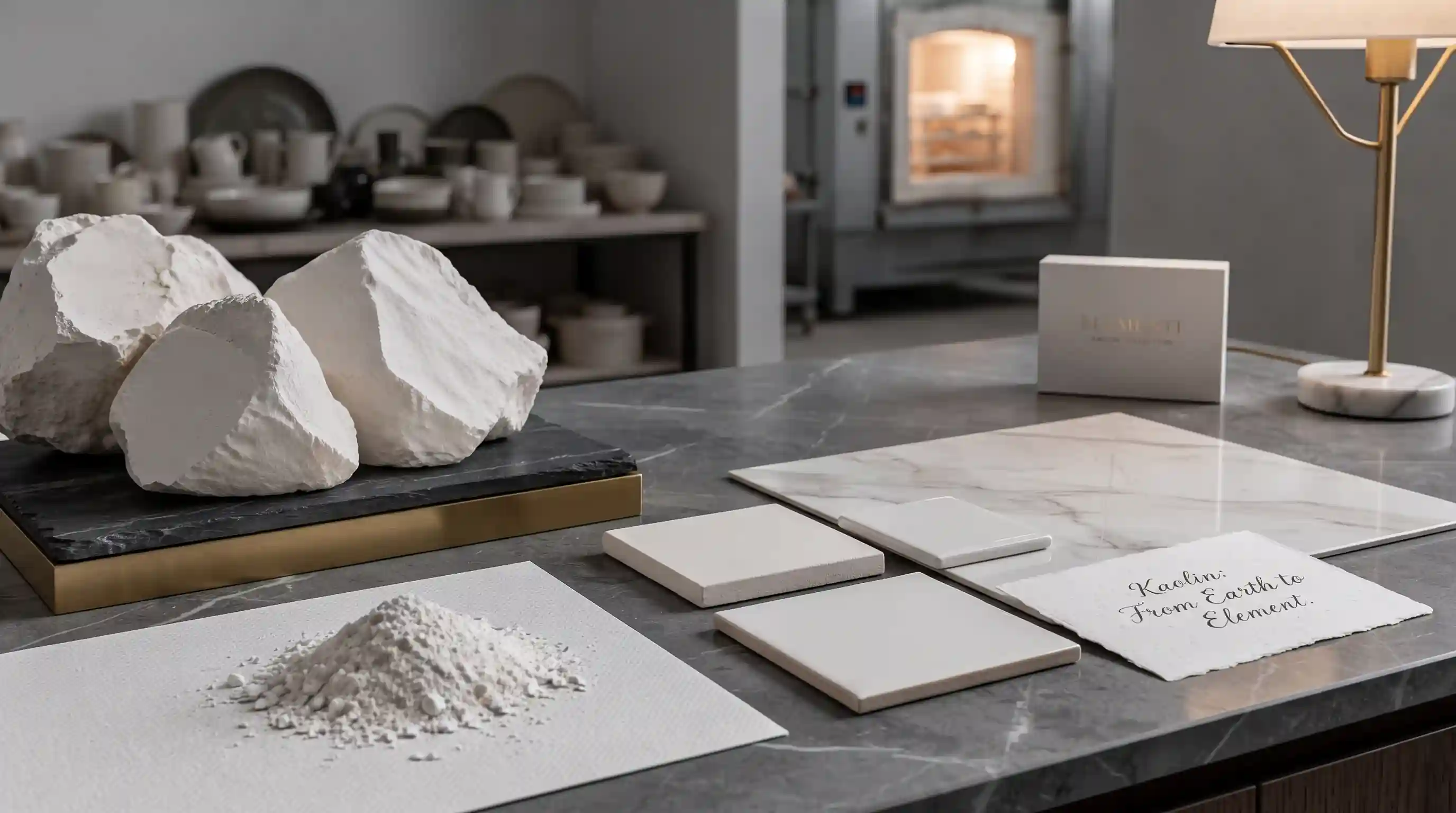
The Importance of the 450 to 1500 Mesh Range in Final Product Quality
Mesh sizing and particle size are among the most vital parameters in the quality of powdered minerals. The 450 to 1500 mesh range offered for this product represents a wide spectrum of ultra-fine micronized particles. Selecting the appropriate mesh depends entirely on the type of industrial application. In the architectural paint industry, finer particles greatly assist in more uniform distribution, increased gloss, and improved paint coverage.
When particle sizes fall within the higher mesh ranges (such as 1500 mesh), the specific surface area of the particles increases drastically. This increase in specific surface area improves the physical bonding between the particles and the resin present in the paint. Consequently, the formed paint film possesses higher mechanical strength and shows better resistance against phenomena such as peeling and cracking. On the other hand, lower meshes (such as 450 mesh) may be preferred in applications requiring the filling of larger seams or the creation of greater thickness.
The micronization and granulation processes of these materials require advanced milling and air classification technologies so that the particle size distribution (PSD) remains completely controlled and uniform. The absence of unwanted coarse particles in the powder prevents scratching on the painted surface during application, delivering a fully polished and standard finish.
Through precision in the powdering process and continuous quality control, the Kani Sang Amiran Project brings a product with precise granulation in the 450–1500 mesh range to the market. This precision in production assures industrial customers that their received raw material strictly matches production line standards and minimizes quality fluctuations.
Economic and Environmental Benefits of Using This Mineral
In today's competitive world, industrial manufacturers pay special attention to economic justification and environmental compatibility alongside quality. Utilizing this mineral as a sustainable and economical substitute for many expensive chemicals brings remarkable financial benefits to paint, paper, and ceramic factories. Optimizing raw material procurement costs noticeably increases the profitability of manufacturing units.
From an environmental standpoint, this material is a natural, non-toxic compound extracted from mines and prepared for consumption through mechanical processes. Unlike many synthetic pigments and fillers that may contain volatile organic compounds (VOCs) or toxic substances, this product is completely eco-friendly. Using it in architectural paints helps reduce the emission of harmful compounds into the air, meeting the standards of green and eco-friendly buildings.
The sustainability of mineral resources and a cleaner production process are among the other advantages of this compound. Processing this material requires less energy consumption compared to synthesizing complex chemicals and boasts a lower carbon footprint. This feature is considered a major competitive advantage for companies seeking to obtain environmental and sustainability standard certifications.
Through responsible extraction and standard mineral processing, the Kani Sang Amiran Project strives to minimize environmental harm while meeting the country's industrial demands. Utilizing this domestic material, in addition to reducing dependence on imported foreign raw materials, strengthens the domestic economic cycle and creates high added value for the nation's mining industry.
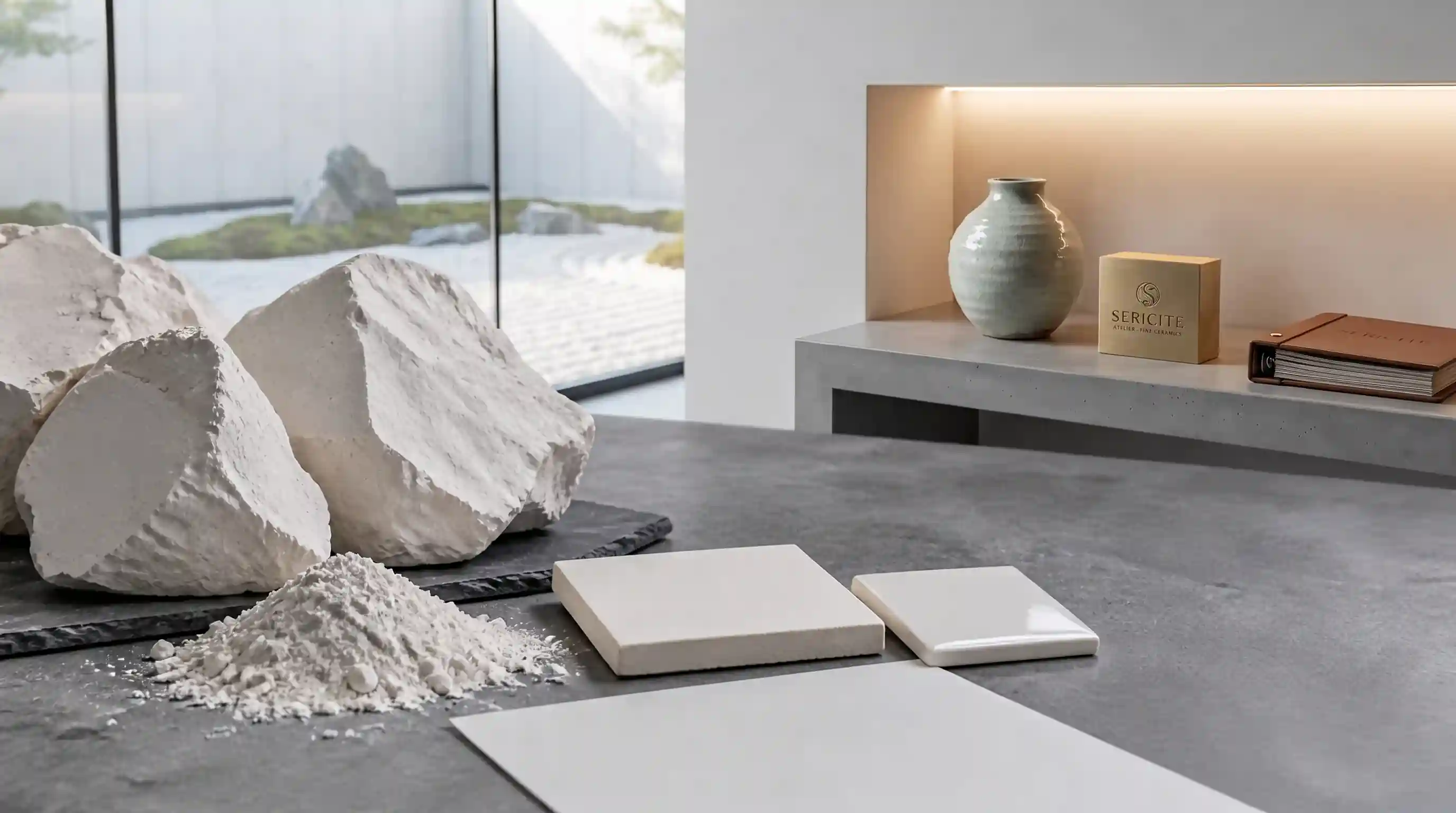
Selection Guide and Dosage in Paint Formulation
Determining the exact amount and dosage of minerals in architectural paint formulations is an engineering art that requires technical knowledge and laboratory experience. Due to its prominent properties, this material is added to the formulation in various percentages depending on the paint type (plastic, acrylic, oil-based, or primer). Understanding the critical pigment volume concentration (CPVC) is of special importance to maintain a balance between mechanical resistance and the aesthetic features of the paint.
In water-based paint formulations (plastic and acrylic), this material acts as a primary extender and helps improve the storage stability of the paint. The presence of its flaky particles prevents the hard settling of heavy particles during storage and facilitates the re-stirring of the paint. Furthermore, paint gloss has an inverse relationship with the consumption amount of this filler; therefore, higher amounts of this substance are used to produce matte or semi-matte paints.
R&D specialists in paint manufacturing plants must perform stability, coverage, adhesion, and wash resistance tests on laboratory samples prior to mass production. The high quality of the supplied raw material plays a major role in the reproducibility of laboratory results on an industrial scale.
The technical team of the Kani Sang Amiran Project is ready to provide specialized consultation to engineers and formulators across various industries to help select the most suitable mesh and dosage based on the specific needs of the production line. This constructive interaction between supplier and consumer ensures the best final performance of manufactured products.
Conclusion and Future Prospects of Mineral Applications in Industry
In this article, we comprehensively examined the benefits of using this valuable mineral in architectural paints and other industries. It became clear that the layered structure, high purity, natural whiteness, and precise 450 to 1500 mesh range make this product an unrivaled component in the formulation of paints, tiles, ceramics, glazes, and paper. Technical benefits such as improved coverage, resistance to moisture penetration, increased mechanical durability, alongside economic and environmental advantages, have further solidified the standing of this material.
The modern paint industry is moving day by day towards the use of smarter, more eco-friendly, and cost-effective raw materials. Along this path, processed minerals will play a pivotal role due to their stable properties and reliable performance. Advancements in micronization technologies herald the production of even more precise and higher-quality meshes in the near future.
Relying on up-to-date technical knowledge, rich mines, and advanced processing equipment, the Kani Sang Amiran Project is committed to the sustainable supply of high-quality minerals for domestic industries. Continuous efforts to elevate quality standards, respond to customer needs, and supply standard products serve as the guiding principles for this collection.
We hope this article has successfully provided a clear perspective on the technical and economic values of this mineral. Industrial activists and researchers are invited to visit the dedicated product page on the Kani Sang Amiran Project website for further information and order placement, and to benefit from the specialized consultations of this collection's experts.
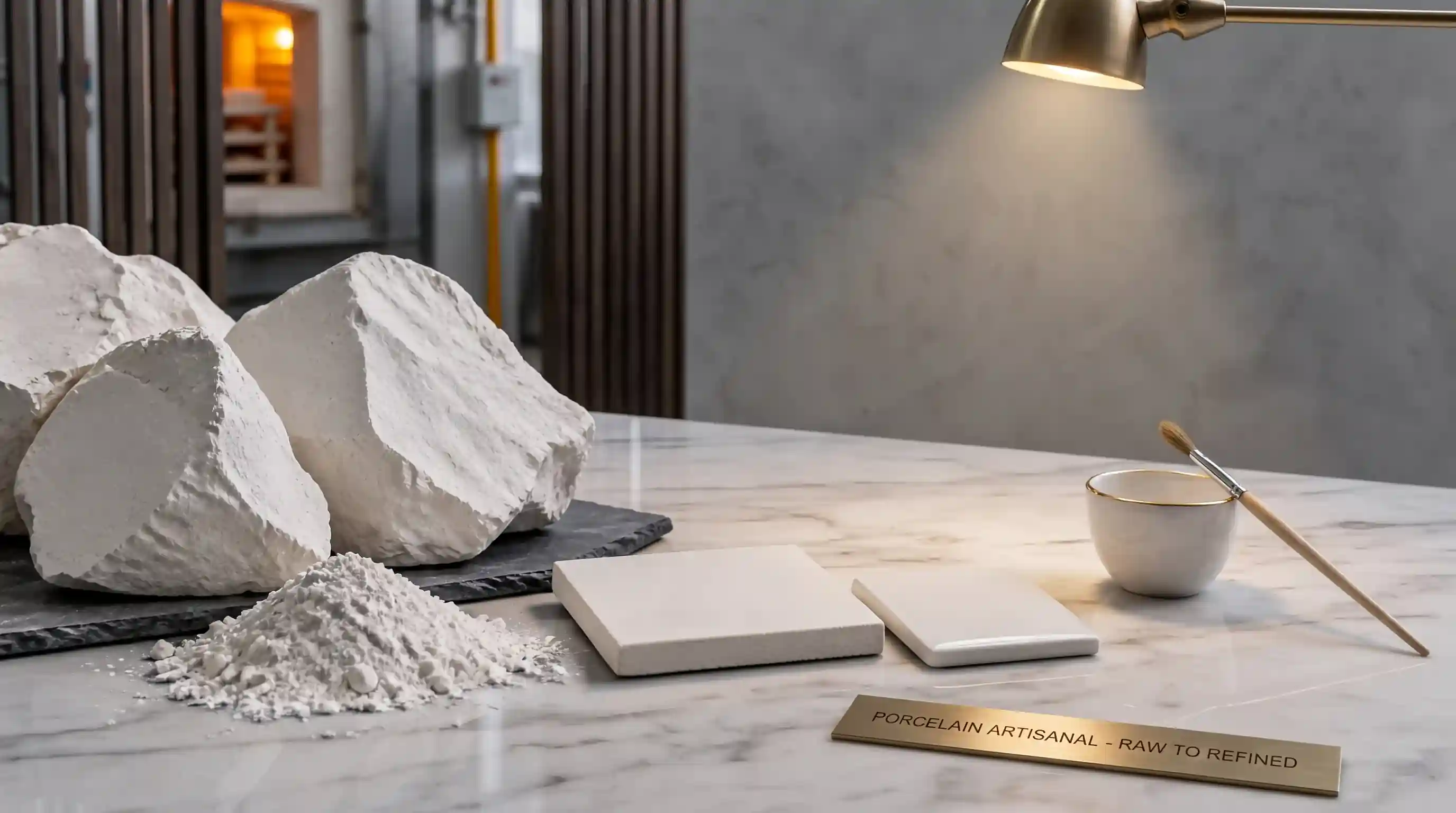
| Question |
Answer |
| What is kaolin and what are its applications? |
It is a mineral hydrated aluminum silicate whose main applications are in the tile, ceramic product, glaze, paper, and paint industries. |
| What is the mesh sizing range of this product? |
This material is processed and supplied in the standard mesh range of 450 to 1500 mesh. |
| What is its application in architectural paints? |
It acts as a filler and extender pigment, improving coverage, moisture resistance, and paint durability. |
| Is the use of this material economical? |
Yes, it acts as a cost-effective substitute for pigments like titanium dioxide and reduces production costs. |
| Who is the main supplier of this product in Iran? |
The Kani Sang Amiran Project operates as a specialized manufacturer and supplier of industrial minerals. |
| How can this product be ordered? |
By visiting the dedicated product page on the Kani Sang Amiran website, you can receive information and supply conditions. |
| Is this material hazardous to the environment? |
No, this material is completely natural, non-toxic, and compatible with environmental standards. |
| What is the impact of this material's layered structure on paint? |
Its flaky structure creates a barrier effect and prevents the penetration of moisture and corrosive agents. |
| What is its role in the papermaking industry? |
It is used as a coating and filler to increase brightness, opacity, and improve paper printability. |
| How can the quality of these minerals be checked? |
By evaluating the whiteness index, chemical purity, absence of impurities, and particle size distribution within the standard mesh. |
Kani Sang Amiran Project — Specialized production and processing of industrial minerals
:: برچسبها:
Kaolin ,
Review of the Benefits of Using Kaolin in Architectural Paints ,
:: بازدید از این مطلب : 0
|
امتیاز مطلب : 0
|
تعداد امتیازدهندگان : 0
|
مجموع امتیاز : 0

 عضو شوید
 عضویت سریع
 منوی کاربری

 آمار مطالب
 آمار بازدید


