
Benefits of Using Bentonite in the Pharmaceutical and Cosmetic Industries
Introduction to the Importance of Bentonite in Modern Industries
Bentonite is one of the most important and versatile mineral materials that has found a special place in various industries due to its unique physical and chemical properties. This clay material, with its layered structure, exhibits specific characteristics such as swelling capacity, high cation exchange capacity, and colloidal properties, making it an ideal choice for industrial applications. The Kani Sang Amiran project, as a mineral producer, supplies this product with the highest quality.
Although public awareness of minerals is mostly focused on heavy industries, the importance of this industrial clay in engineering processes goes far beyond these fields. To better understand the application of minerals in various fields, you can refer to the review of the technical benefits of using kaolin in ceramics, which shares many similarities with bentonite in mineral processing operations. In this article, we intend to examine the technical features, applications, and benefits of using this valuable mineral material.
Whenever industrial applications are discussed, controlling particle size and mesh range becomes important. The bentonite supplied by the Kani Sang Amiran project is produced within a mesh range of 200 to 450, which is completely standard and optimal for a wide range of applications, including drilling fluids and foundry products. In the following chapters, we will examine the various dimensions of using this material under a magnifying glass.
The moisture absorption and adhesion properties of this material have enabled it to play a key role in many industrial processes that require stabilization or absorption of substances. A precise understanding of these properties helps engineers and industrialists significantly increase the productivity of their production lines and optimize operational costs.
Structural Characteristics and Technical Specifications of Bentonite
Bentonite is an aluminosilicate clay composed mainly of smectite minerals (especially montmorillonite). The crystal structure of this material is such that water molecules and various ions can penetrate between its layers; a phenomenon that is the main factor behind the swelling property and adhesion creation in this mineral. To get acquainted with the quality of these products, you can visit the specialized bentonite page.
One of the most important technical parameters in purchasing and using this mineral is its mesh range. Products produced with a mesh range of 200 to 450 have a very high contact surface, which positively affects the speed of surface reactions, absorption rate, and adhesive strength. The particle size distribution in this range ensures that the material remains well-suspended in fluids.
In addition, understanding the rheological behavior of this material in combination with water is of high importance. When this mineral powder is mixed with water, it creates a fluid with variable viscosity, which has vital applications in the drilling and casting industries. This behavior allows the fluid to be fluid at high shear rates and maintain its gel structure at rest.
Processing quality and granulation play a decisive role in final efficiency in production units. Relying on quality control standards, the Kani Sang Amiran project provides a homogeneous and high-quality product to consumer industries to best cover their technical needs.
Application of Bentonite in Drilling Fluids
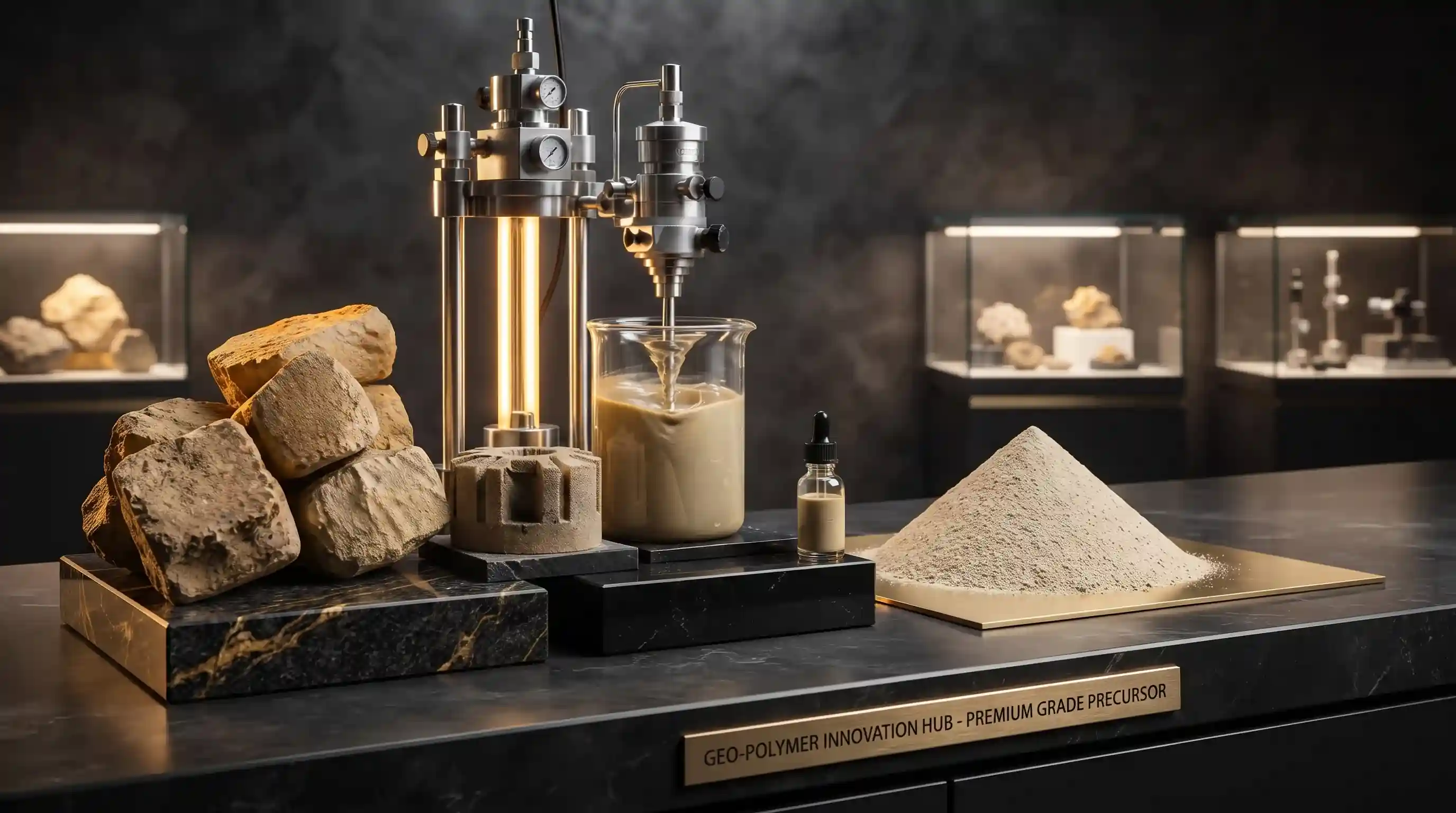
One of the main and most extensive areas of bentonite consumption is the drilling industry (including oil, gas, and water wells). In drilling operations, the drilling mud containing this material plays a vital role in cooling the drill bit, transporting drilled cuttings to the surface, and stabilizing well walls. The colloidal properties of this mineral powder help create appropriate viscosity in the fluid.
The efficiency of drilling fluids largely depends on the quality and granulation of the consumed powder. The 200–450 mesh range of this material allows particles to hydrate uniformly in water and form a stable gel network. This gel network prevents the settling and sudden precipitation of drilling materials when pumps are stopped.
Also, the formation of an impermeable filter cake on the wellbore wall by this material prevents drilling fluid loss into geological formations. This feature is of utmost importance both economically and in terms of drilling operation safety, and it guarantees the stability of the well wall.
The modern drilling industry is heavily dependent on this mineral, and drilling engineers are always looking for suppliers who guarantee product purity and uniformity. By continuously supplying high-quality minerals, the Kani Sang Amiran project is a reliable supporter of this industry.
The Role of Bentonite in Foundry and Molding Industries
In the metal casting industry, molding sand requires a binding agent to maintain the geometric shape of the part against the pressure and heat of the molten metal. Bentonite is known as the primary binder in green sand, creating a strong bond between sand grains and producing accurate and durable molds.
The adhesive property of this material is activated in the presence of moisture and creates a three-dimensional network that protects the mold from collapsing before pouring the molten metal. Even after cooling, this material retains its properties to some extent and is effective in reclaiming molding sand. To better understand the application of mineral additives in rigid structures and molds, reading the article The role of kaolin in pipe making and concrete products is well worth it.
Using mineral powder with an appropriate mesh range in casting maximizes the coating of sand grains. Proper particle distribution in the 200–450 mesh range ensures that no large voids remain without a binder and that the green compressive strength of the mold reaches the standard level.
Through precise mineral processing, the Kani Sang Amiran project has provided casting workshops with access to this vital material with consistent quality so that industrial part manufacturers can comfortably benefit from domestic products.

Bentonite as an Absorbent and Clarifying Agent
The high cation exchange capacity and large specific surface area of this mineral make it a strong absorbent. In industrial processes that require the absorption of impurities, decolorization, or liquid purification, this material shows extraordinary efficiency due to its porous structure.
In purification and refining processes, the ability of this clay powder to absorb heavy metal ions and organic compounds is highly regarded. This absorbent property allows it to be used as an economical and efficient solution in treating industrial wastewater and removing various pollutants.
The performance of this material in moisture and odor absorption is also used in the packaging industry and the production of various products. The use of the 200–450 mesh range increases absorption speed and efficiency due to the increased contact surface of particles with the fluid or gas.
Mineral producers such as the Kani Sang Amiran project, by carefully selecting primary rocks and standard processing, produce a product with high adsorption capacity that meets the necessary standards for sensitive industrial uses.
Application of Bentonite as a Binder
In addition to the casting industry, the binding property of this material is also used in many other industrial fields. As an inexpensive and environmentally friendly mineral binder, this material is used in granulation, animal and poultry feed production, industrial pellet production, and the ceramic industry.
The binding performance of this material results from electrostatic forces between clay plates and water molecules, which, after drying, create a strong bond among other particles. This feature greatly helps increase the durability of compacted products.
To complete information about the role of mineral additives in improving the formulation of various products, you can take a look at the article Reviewing the benefits of using kaolin in architectural paints, which illustrates the differences and similarities of mineral usage.
The bentonite supplied by the Kani Sang Amiran project, with its favorable binding characteristics, facilitates the production process of pellets and industrial compressed components and prevents the premature crumbling of final products.
Economic and Environmental Benefits of Using Bentonite
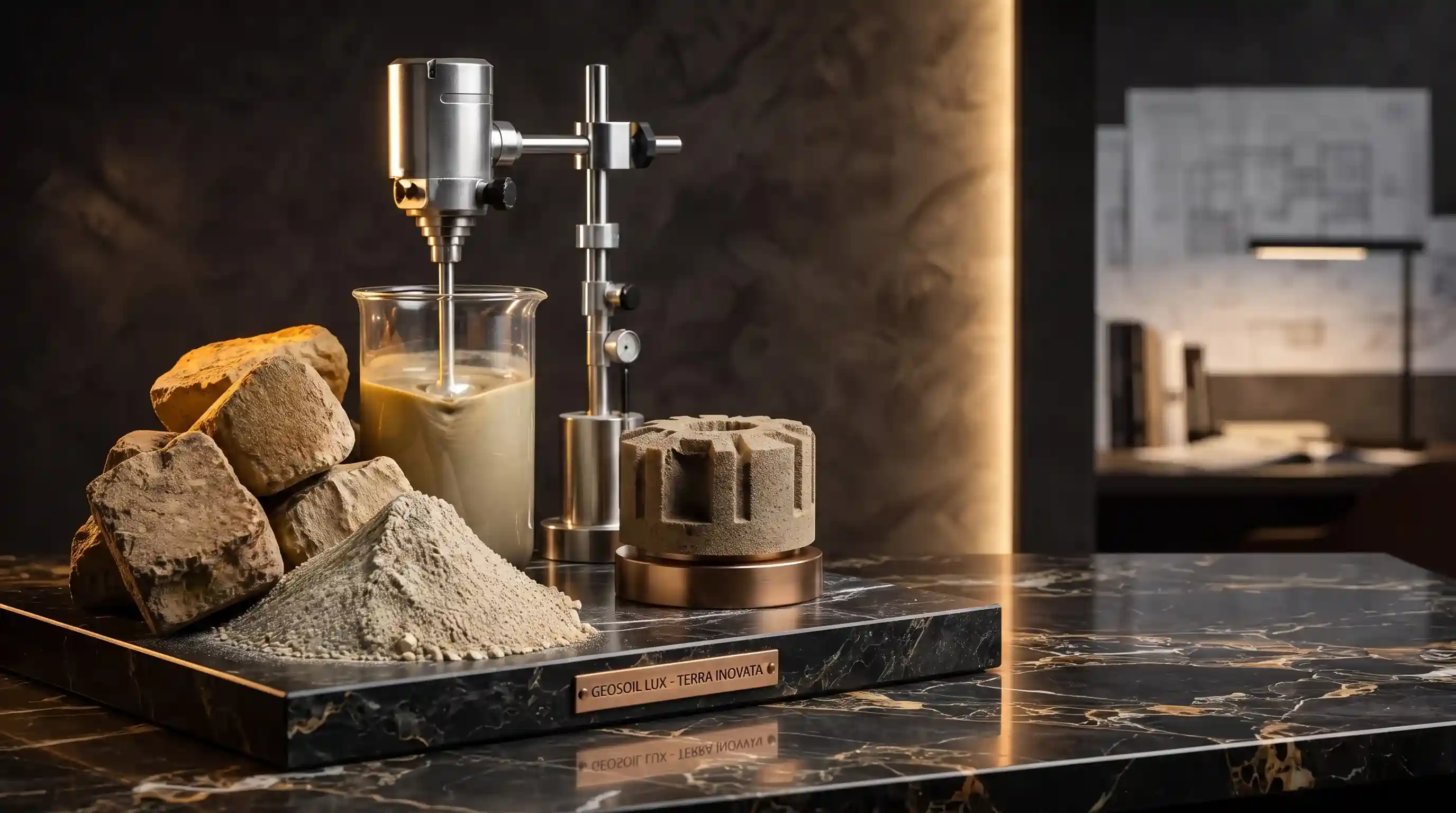
Using native and abundant minerals like bentonite is not only technically logical, but it also brings remarkable economic benefits to consumer industries. Replacing expensive chemicals with this natural industrial clay greatly helps reduce final production costs.
From an environmental perspective, due to its natural origin, this material causes minimal harm to nature. Unlike many synthetic polymers and chemical adhesives, this material easily returns to nature's cycles after its life cycle ends and does not create persistent pollution.
Quality control and precise processing of this product by the Kani Sang Amiran project ensure that various industries can rely on domestic resources to maintain their supply chain stability and minimize dependence on importing similar additives.
Ultimately, the optimal utilization of this material in drilling fluids and casting leads to reduced material waste, increased tool longevity, and improved final product quality, which promotes the overall profitability of industrial businesses.
Conclusion and Guide to Choosing the Right Bentonite
Bentonite is recognized as one of the most versatile minerals in various industries, including drilling fluids, casting products, absorbents, and binders. Its unmatched structural features, cation exchange capacity, and high swelling capacity have made this material an irreplaceable element in optimizing industrial processes.
Compliance with granulation standards in the 200–450 mesh range by the Kani Sang Amiran project guarantees high performance in the mentioned applications. Correctly selecting the product type and mesh according to the technical requirements of each industry is the key to achieving the highest productivity and desired production quality.
We hope this article has provided a comprehensive and complete view of the benefits and applications of this valuable mineral to engineers, industrialists, and activists in various fields so they can act with greater awareness when choosing and purchasing their raw materials.
For more information, inquiries about exact technical specifications, and to purchase this product, you can visit the Kani Sang Amiran project website and benefit from the consultation of specialized experts in this collection.

| Question |
Answer |
| What is bentonite? |
It is a clay mineral with a layered structure and high swelling, binding, and absorption properties. |
| What are the main applications of bentonite? |
Drilling fluids, foundry products, absorbents, and binders are its main applications. |
| What is the mesh range of the supplied bentonite? |
Products are produced and supplied in the 200 to 450 mesh range. |
| What is the role of bentonite in drilling fluids? |
It acts as a gelling agent, coolant, cutting transporter, and wellbore wall stabilizer. |
| Why is bentonite used in casting? |
It is used as a molding sand binder to maintain the strength of green molds. |
| What causes the absorbent property of bentonite? |
This property stems from the high cation exchange capacity and large specific surface area of clay particles. |
| Is bentonite safe for the environment? |
Yes, due to its completely natural origin, it has high environmental compatibility. |
| Which group is the manufacturer of this product? |
The Kani Sang Amiran project is the manufacturer of these mineral materials. |
| How can this product be purchased? |
This can be done by visiting the products page of the Kani Sang Amiran website. |
| What is the economic advantage of using this material? |
Reducing production costs and replacing expensive chemicals with native minerals. |
Kani Sang Amiran Project — Reference for mineral and industrial materials production and processing.
:: برچسبها:
Bentonite ,
Benefits of Using Bentonite in the Pharmaceutical and Cosmetic Industries ,
:: بازدید از این مطلب : 0
|
امتیاز مطلب : 0
|
تعداد امتیازدهندگان : 0
|
مجموع امتیاز : 0


 عضو شوید
 عضویت سریع
 آمار مطالب
 آمار بازدید


