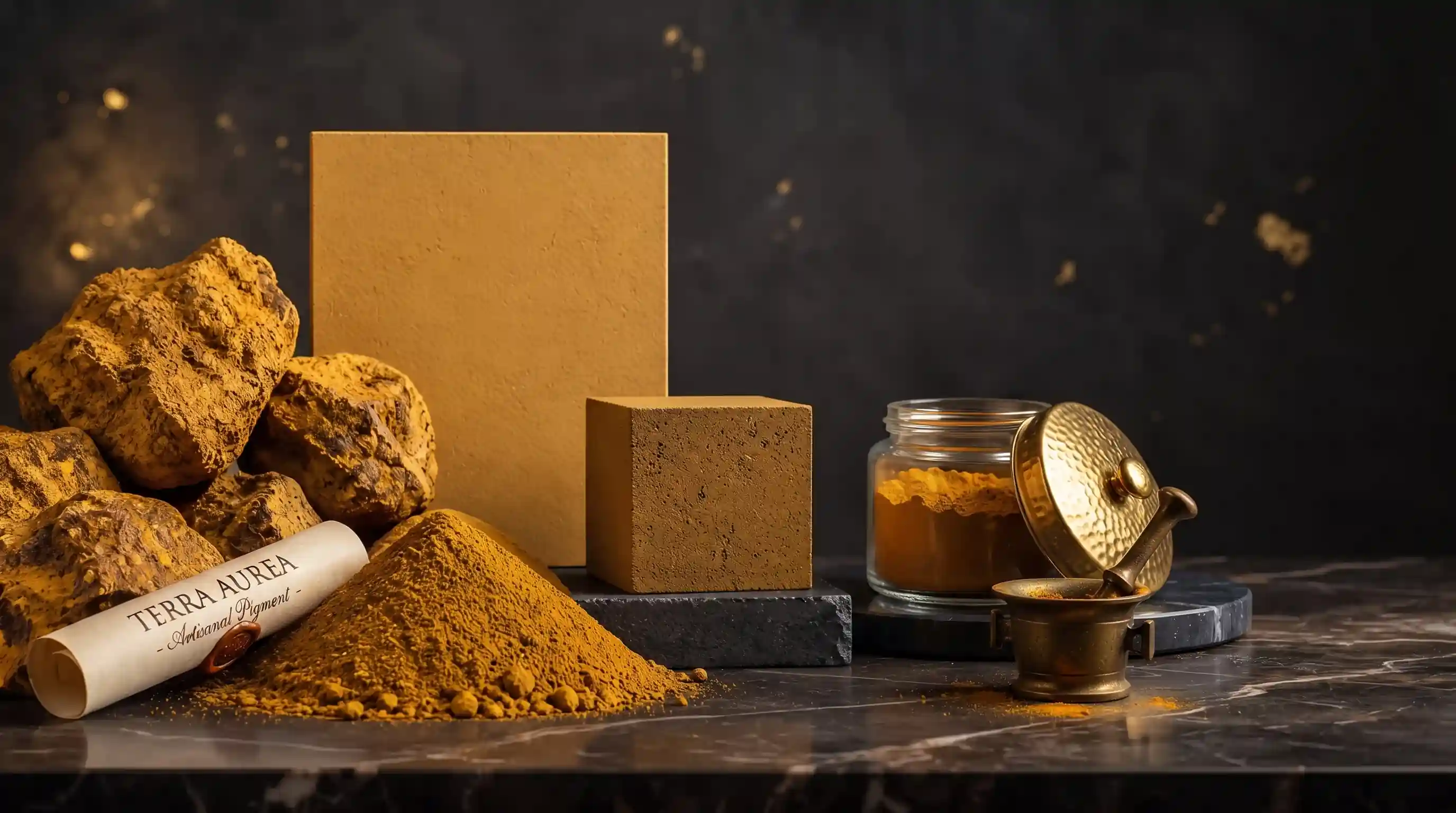
Introduction to the Characteristics of Industrial Limonite Oxide (Gol Mash)
Introduction to Limonite Oxide (Gol Mash) and Its Importance in Industry
Minerals are recognized as the foundation and basis of many manufacturing, construction, and chemical industries. Among these materials, mineral pigments and colorants hold a special place. Limonite oxide (Gol Mash) is one of the most functional mineral materials used in various industries due to its unique physical and chemical properties. Known as a natural colorant with a color spectrum ranging from yellow to brown, this material plays a significant role in improving the appearance and structural quality of final products.
The Kani Sang Amiran project, as one of the leading manufacturers in the field of mineral processing, supplies this product to the market with specific standards. A precise understanding of the characteristics of this mineral helps industrialists make the best choice for their production processes. In this article, we intend to comprehensively examine the characteristics, technical specifications, granulation, applications, and various angles of using this product to serve as a complete guide for engineers and professionals in the industrial sector.
The use of high-quality processed minerals guarantees the durability and efficiency of final products. In this regard, a thorough examination of the qualitative parameters and technical specifications of this material is of high importance. For more information regarding the technical features and standards of this material, you can visit the Limonite Oxide (Gol Mash) page and view complete product details.
Technical Specifications and Mesh Range of Limonite Oxide (Gol Mash)
One of the most important factors in determining the quality and efficiency of micronized mineral powders is granulation, or their mesh range. Limonite oxide (Gol Mash) produced in industrial complexes is processed with high precision and supplied in the standard mesh range of 450 to 1500 mesh. This wide range of mesh sizes allows consumers to choose the right product based on the exact needs of their production process.
Micronized powders with higher mesh sizes (such as 1500 mesh) have much finer and softer particles, creating a more uniform coverage and a larger contact surface. Conversely, lower meshes (such as 450 mesh) show better efficiency in applications requiring mechanical strength or high-volume filling. The crushing and micronizing process of this ore is carried out using advanced equipment so that the particle size distribution is completely homogenous and standard.
Adhering to quality standards in the production and granulation process of this material has a direct impact on its final performance in the paint, coating, and building materials industries. To become more familiar with the quality control regulations of this mineral, reading the article Quality Standards of Limonite Oxide (Gol Mash) is suggested, which provides detailed information in this regard.
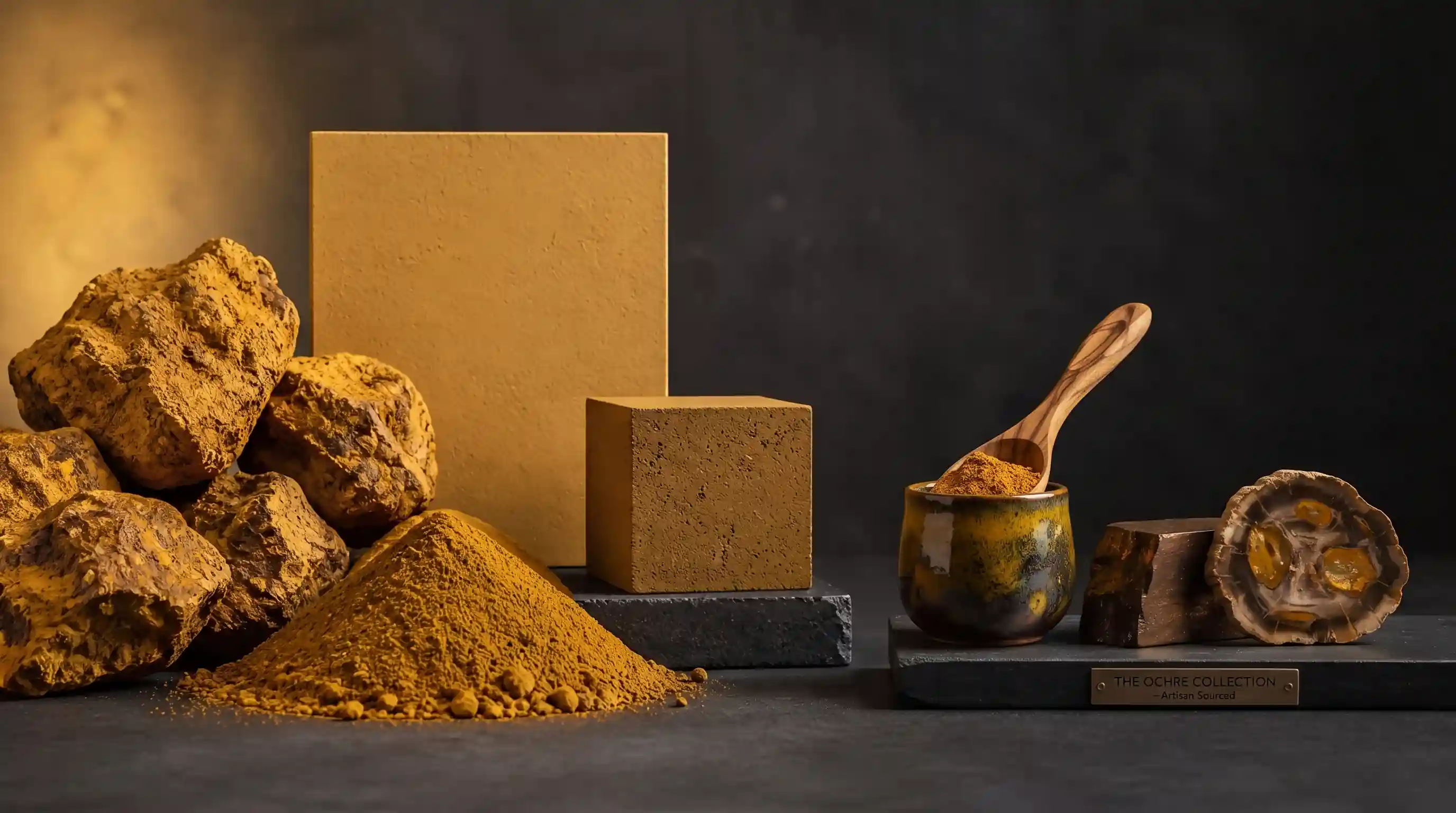
Main Applications of Limonite Oxide (Gol Mash) in Mineral Pigments
Mineral pigments hold a special place in the paint and coating industries due to their high light stability, resistance to weather conditions, and insolubility in solvents. Limonite oxide (Gol Mash) is one of the oldest yet most efficient mineral colorants, creating a natural, stable, and eye-catching color spectrum due to its iron compounds. These pigments are widely used in the production of architectural paints, industrial paints, anti-rust coatings, and printing inks.
The use of this material as a mineral colorant not only produces a stable yellow, ochre, or brown color, but due to its mineral structure, it also increases the resistance of the final coating against ultraviolet (UV) radiation and environmental oxidizing agents. The chemical stability of this material prevents color change or degradation of the paint layer over time, making it very popular in the paint and resin industries.
In addition to the paint industry, mineral pigments derived from this stone are also utilized in other industries such as ceramic, tile, rubber, and plastic manufacturing. Diversity in application has turned this material into one of the strategic items in the mineral product portfolio that meets the diverse needs of various industries.
The Role of Limonite Oxide (Gol Mash) in the Coating and Paint Industry
The coating and paint industry requires raw materials that, in addition to beautifying, also enhance the protective properties of surfaces. Limonite oxide (Gol Mash), with a suitable particle distribution in the 450 to 1500 mesh range, acts as an active filler and pigment in the formulation of various industrial and architectural coatings. This material disperses well within polymeric and resin matrices and prevents particle agglomeration.
In the formulation of metal protective coatings, the presence of iron compounds in this material significantly helps improve paint adhesion and increase corrosion resistance. Furthermore, the fine-grained nature of the particles ensures that the final surface is smooth, even, and free of microscopic irregularities, which plays a key role in increasing the lifespan of the coating.
Plastic and polymer industries also require various fillers and pigments to improve the mechanical and appearance properties of their products. In this context, familiarity with other mineral and polymeric additives is certainly worthwhile. For example, to better understand the application of minerals in the plastics industry, reading the article Introduction to Coated Calcium Carbonate Applications in the Plastic Industry provides useful information for professionals in this field.
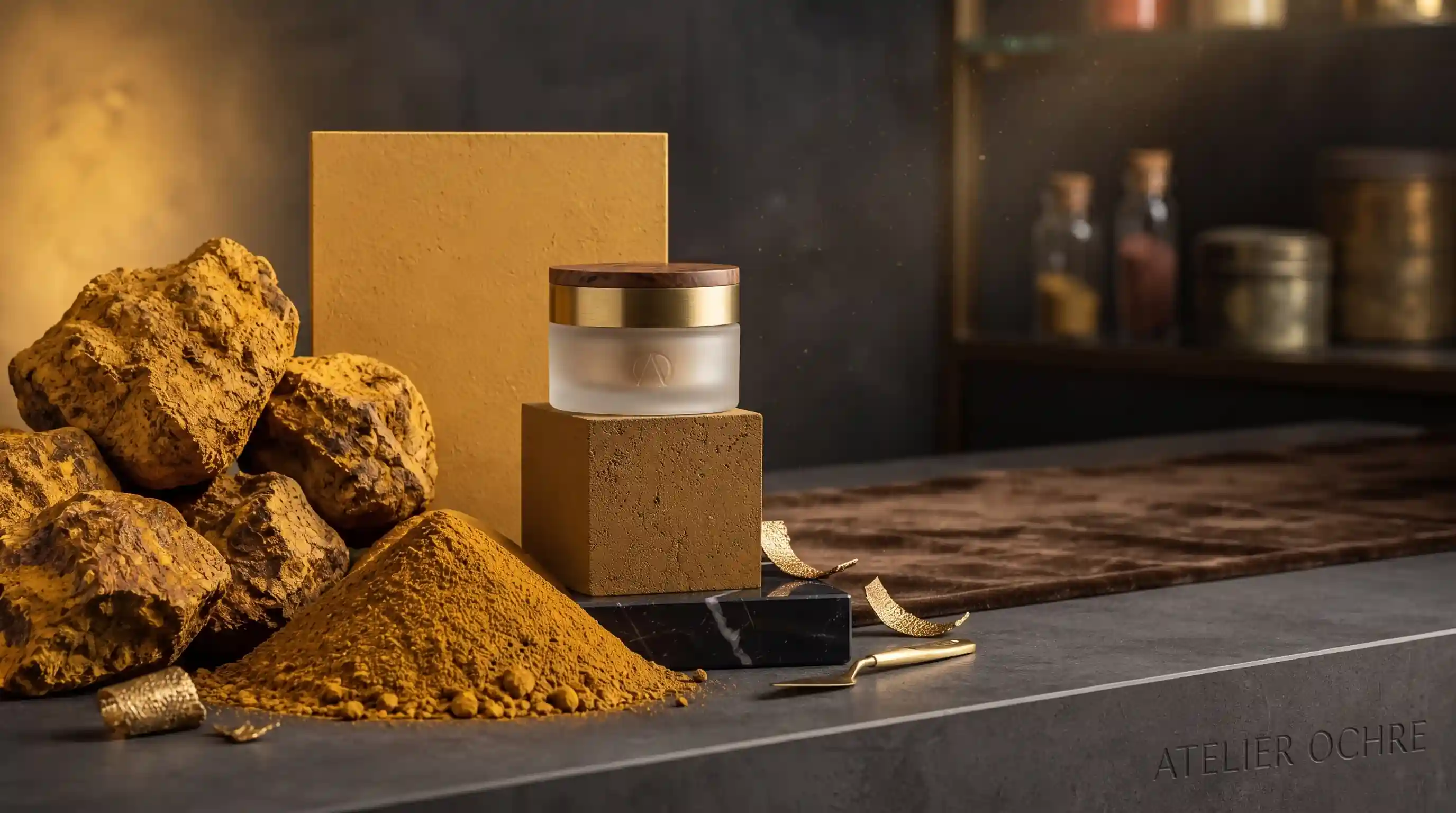
Application of Limonite Oxide (Gol Mash) in Construction Products
The construction industry is one of the largest consumers of processed minerals. Limonite oxide (Gol Mash) is used as a functional mineral additive in the production of various construction products such as colored concrete, cement blocks, colored facade bricks, mosaics, concrete flooring, and grouting powders. Due to its lack of undesirable reaction with cement and other building materials, this material is considered an ideal option for bulk coloring of concrete and cement.
The use of this mineral pigment in building materials creates a color that is stable and resistant to severe weather conditions, acid rain, and sunlight; unlike organic dyes which may fade after some time, mineral colorants have very high durability. Besides its coloring property, the micronized particles of this material act as fillers for the empty spaces between cement particles, helping to achieve greater density and consequently increasing the compressive strength of concrete structures.
Precision in selecting the appropriate granulation (from 450 to 1500 mesh) depending on the final construction product allows engineers to achieve the best results in terms of appearance and mechanical strength. The high processing quality in the Kani Sang Amiran complex guarantees the purity and optimal efficiency of this product in large civil and construction projects.
Production, Processing, and Quality Control Process of Mineral Powder
The production of micronized mineral powders requires a precise chain of extraction, crushing, grinding, milling, and granulation stages. Limonite oxide (Gol Mash), after extraction from dedicated mines, is also transferred to processing units under the supervision of quality control experts. In these units, using modern milling equipment and separator systems, particles are precisely separated and placed within the specified mesh range.
Continuous quality control at all stages of production, from the entry of raw ore to the packaging of the final product, guarantees purity, color uniformity, and the absence of mechanical impurities. This strictness in quality control ensures that a product with the highest efficiency reaches industrial consumers and production errors are reduced to the absolute minimum.
Accurate knowledge of the physical specifications of consumed minerals is an undeniable necessity for various industries. In different industries, distinguishing high-quality materials from inferior samples is of vital importance. For example, in the field of silicate minerals, similar criteria exist for measuring quality, the principles of which you can study in the article Guide to Identifying High-Quality Silica from Inferior Samples and gain a broader perspective on evaluating mineral quality.

Economic and Technical Benefits of Using Limonite Oxide (Gol Mash)
The selection of raw materials in manufacturing industries is always influenced by two key factors: "technical performance" and "economic consideration." Limonite oxide (Gol Mash) has managed to establish its position as an optimal raw material by creating an unmatched balance between these two factors. From a technical perspective, appropriate thermal resistance, high chemical stability, excellent covering power, and compatibility with a wide range of resin and cement systems are prominent advantages of this product.
From an economic perspective, access to domestic resources, standard processing, and reduced finished production costs for consuming industries (such as paint manufacturing and concrete parts) are major advantages. The use of this natural mineral pigment allows manufacturers to supply products of standard and competitive quality to the market without needing to import expensive foreign pigments.
Relying on up-to-date technical knowledge and utilizing rich mines, the Kani Sang Amiran project has endeavored to introduce a high-quality and homogeneous product to the market so that domestic industries have no concerns regarding the supply of high-grade raw materials. Consistency in quality and stability of physical characteristics bring high added value to bulk buyers.
Storage, Packaging, and Safety Tips in Industrial Consumption
Adhering to warehousing principles, proper packaging, and safety tips while working with micronized mineral powders is of high importance. Due to its powdery nature and fine granulation (450 to 1,500 mesh), limonite oxide (Gol Mash) is sensitive to moisture penetration and must be stored in dry, covered environments away from direct contact with the ground to prevent caking.
The standard packaging of this product is designed to be resistant to tearing and air penetration, ensuring that its transportation across the country is carried out with complete safety. Additionally, during unloading, loading, and industrial use of these powders, adhering to personal safety tips such as using appropriate respiratory masks to prevent the inhalation of mineral dust and safety glasses for factory personnel is mandatory.
Following these simple yet vital guidelines, besides preserving the health of the workforce, prevents the loss of raw material quality in the warehouse and maximizes production efficiency. The Kani Sang Amiran project provides the necessary guidance regarding packaging and storage conditions to customers to ensure that the product reaches the final production line with the highest quality.
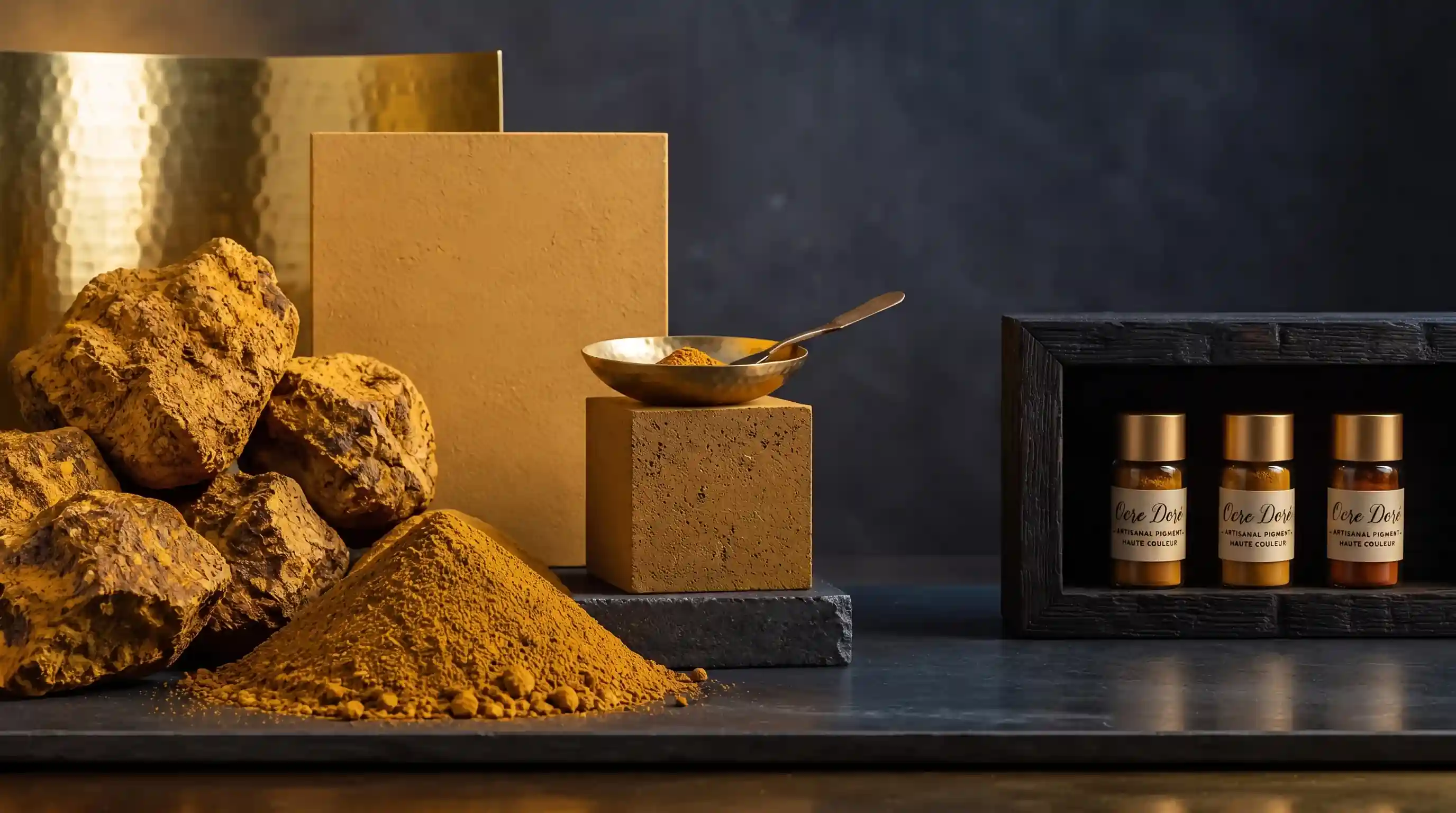
| Question |
Answer |
| What is limonite oxide (Gol Mash)? |
It is a natural mineral and colorant used as a mineral pigment and filler in coatings and construction products. |
| What is the mesh range of this product? |
This mineral powder is processed and supplied in the standard mesh range of 450 to 1500 mesh. |
| What are the main applications of limonite oxide (Gol Mash)? |
Mineral pigments, coating and paint industries, and construction products such as colored concrete and cement. |
| What is the color spectrum of this mineral? |
This material has a natural color spectrum of stable yellow, ochre, and brown. |
| Which industries use this material? |
Paint manufacturing, industrial coating production, construction materials, ceramics, and rubber. |
| Is this pigment resistant to sunlight? |
Yes, as a mineral pigment, it has exceptionally high light stability and resistance to UV rays. |
| Which group manufactures this product? |
The Kani Sang Amiran project is the manufacturer and provider of this mineral product. |
| How can product details be viewed? |
By visiting the dedicated product page on the Kani Sang Amiran website, you can view complete information. |
| What should the storage conditions of micronized powder be? |
It should be stored in a dry, covered environment away from moisture to prevent caking. |
| Does this material have a negative reaction with cement? |
No, it has complete compatibility with cement and building materials and performs well in colored concrete. |
Kani Sang Amiran Project — Reference for industrial mineral production and processing. https://ksamiran.ir/products/limonite-oxide/
:: برچسبها:
Limonite Oxide (Gol Mash) ,
Introduction to the Characteristics of Industrial Limonite Oxide (Gol Mash) ,
:: بازدید از این مطلب : 0
|
امتیاز مطلب : 0
|
تعداد امتیازدهندگان : 0
|
مجموع امتیاز : 0

 عضو شوید
 عضویت سریع
 منوی کاربری

 آمار مطالب
 آمار بازدید


