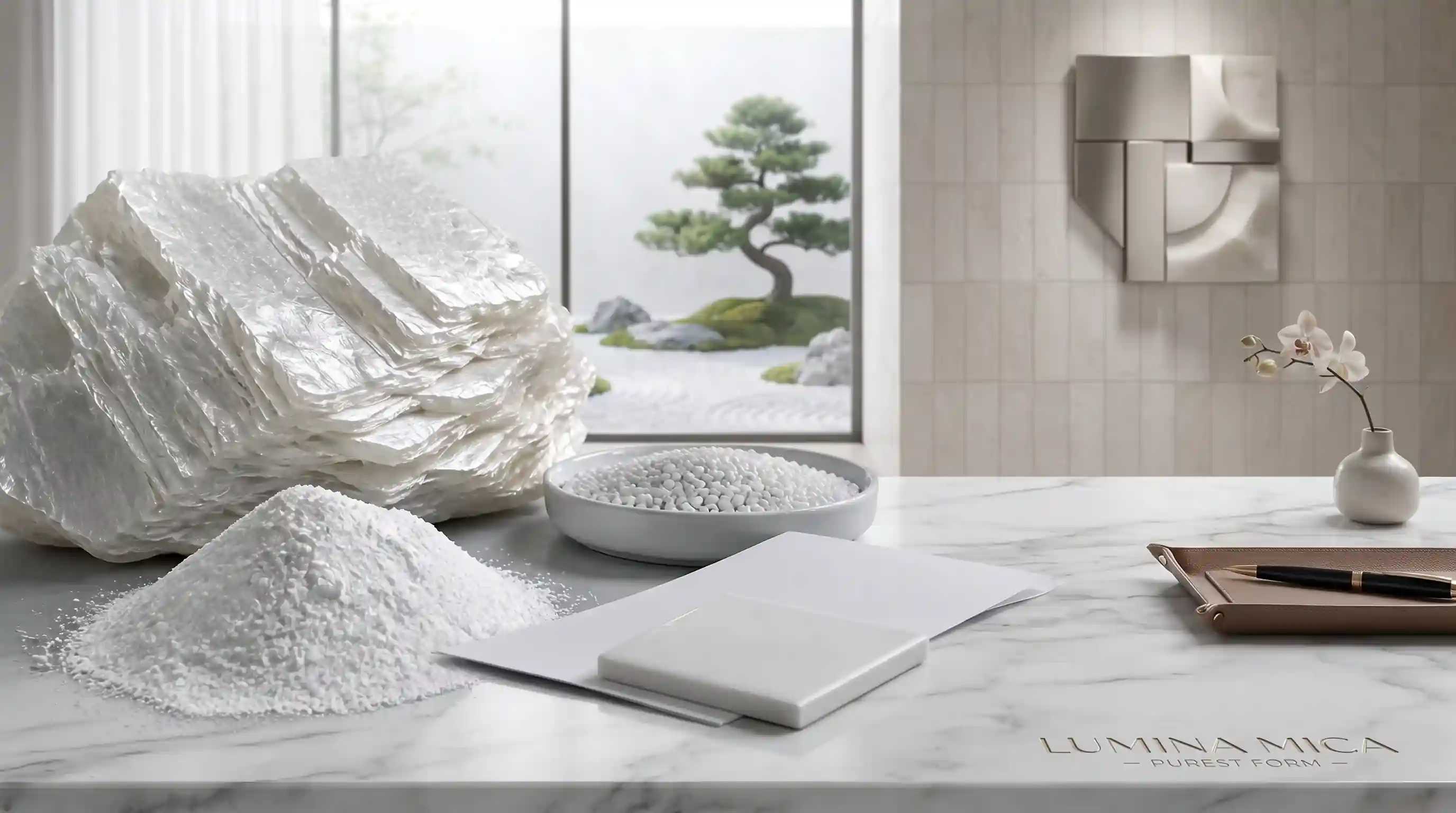
Professional Comparison of Various White Talc and Bentonite in Industry
An Introduction to the Importance of White Talc in Mining Industries
In the modern industrial world, the use of high-purity minerals to enhance the final quality of products is of particular importance. White Talc, as one of the most widely used mineral fillers, has found a special place in numerous industries due to its unique physical and chemical properties. This mineral, which belongs to the hydrated magnesium silicate family, is known for features such as softness, greasiness, and high thermal resistance.
Kani Sang Amiran Company, relying on technical knowledge, has processed and supplied white talc in a variety of mesh sizes (from 450 to 2500 mesh). With precise granulation, this product fully covers the specialized needs of industries such as masterbatch and compound production. Understanding the structural differences between talc and other minerals like bentonite is the first step toward optimizing industrial formulations.
Comparing the Structural Characteristics of White Talc and Bentonite
When it comes to comparing talc with other minerals, bentonite is a frequently discussed subject. White talc, with its layered structure and chemical inertness, acts as an excellent filler. While bentonite has high swelling properties and is mostly used in drilling or casting industries, white talc plays an effective role in paint and paper due to its neutrality. Previously, in the article The Key Role of Industrial Talc in Improving the Quality of Manufactured Products, we addressed the importance of using high-quality talc.
By having low hardness (on the Mohs scale), white talc also acts as a natural lubricant in production processes, reducing equipment friction. Meanwhile, bentonite, due to its different mineralogical structure, lacks these lubricating properties and has completely distinct applications.
Application of White Talc in the Masterbatch and Compound Industry
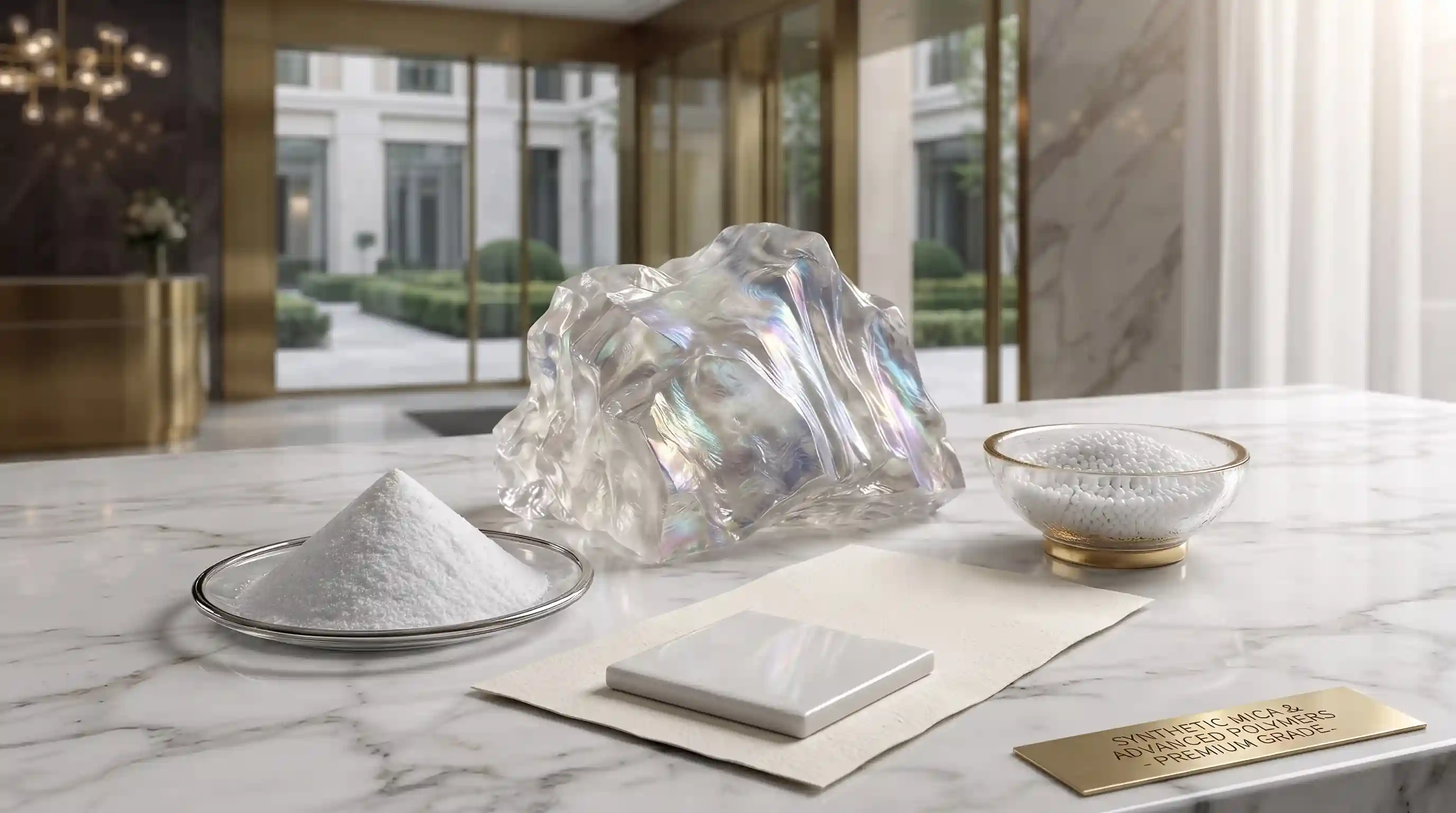
In the polymer industry, the use of appropriate additives to improve mechanical and thermal properties is essential. Due to its low coefficient of thermal expansion and suitable hardness, white talc is considered one of the best fillers for increasing flexural modulus in masterbatches and compounds. The fine granulation up to 2500 mesh allows the talc to be well dispersed in the polymer matrix, increasing the transparency and dimensional stability of the final piece.
Masterbatch manufacturers, by choosing talcs processed by Kani Sang Amiran, not only reduce their production costs but also improve the aesthetic quality of the product (such as surface smoothness and whiteness). Selecting the appropriate mesh in this field is the key to success in producing high-performance engineering compounds.
The Vital Role of Talc in the Paint and Industrial Coatings Industry
The paint industry requires materials that, in addition to covering properties, have long-term stability against environmental factors. Due to its platy structure, white talc creates a barrier against the penetration of moisture and oxygen, which prevents corrosion of the underlying surface. Using this mineral in paints reduces cracking and increases the durability of the coating under harsh weather conditions.
It is worth noting that in some paint formulations, the use of specific pigments is also common. To better understand the interference and impact of materials on each other, reading the article Comparison of Various Red Iron Oxides (Ochre) in the Paint and Resin Industries can guide manufacturers to observe the correct combination of minerals in their formulations.
White Talc; A Smart Choice in the Paper and Ceramic Industry
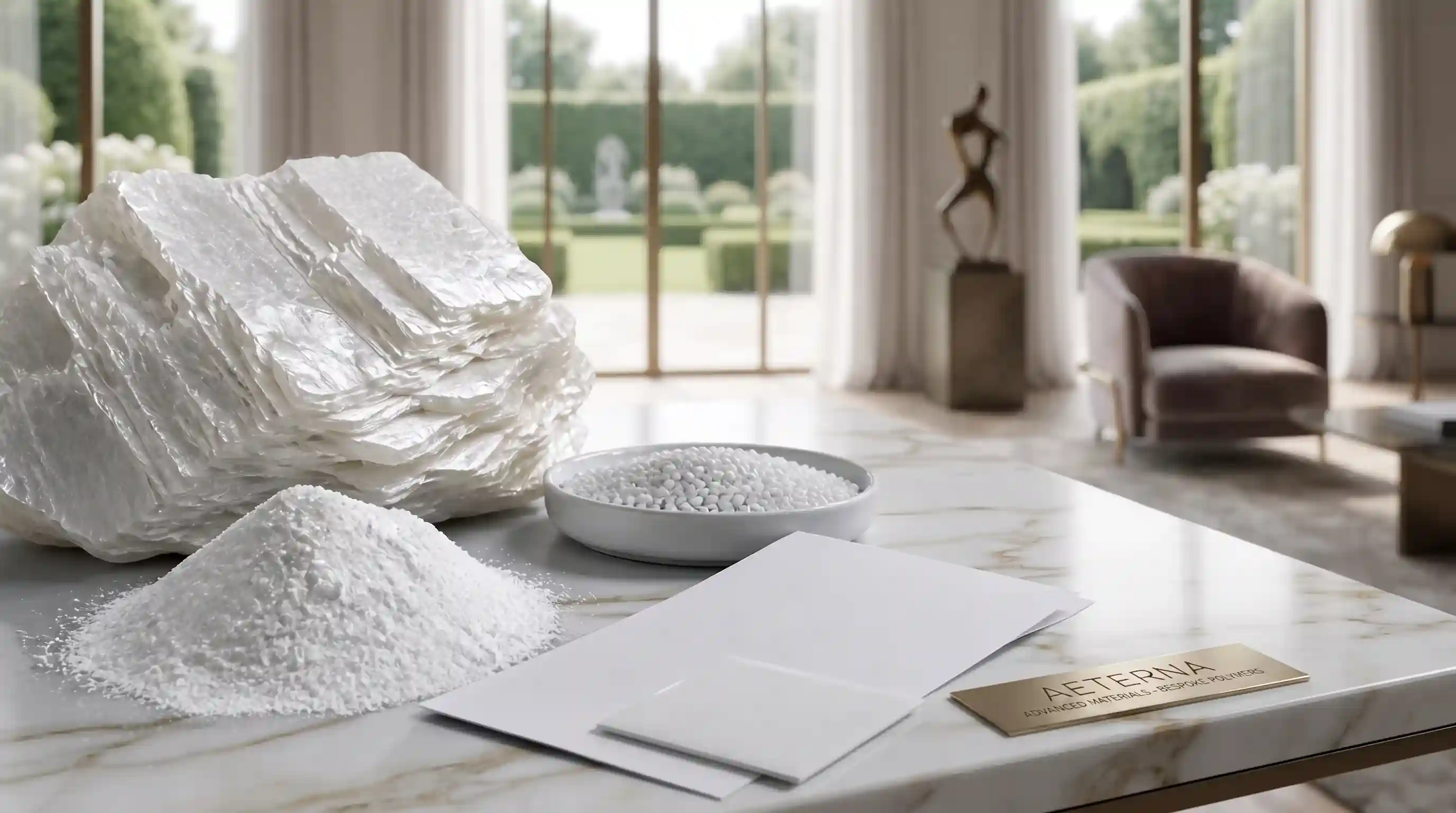
In paper production, white talc acts as a modifying agent to improve the opacity and printability of paper. This material increases the softness of the paper as well as better ink absorption. In the ceramic industry, talc acts as a fluxing agent, reducing firing temperature, which leads to reduced energy consumption in ceramic kilns.
Ceramics that use high-quality talc in their formulations have higher thermal resistance and less cracking after cooling. The flexibility of Kani Sang Amiran's white talc in the range of 450 to 2500 mesh allows manufacturers to choose the best granulation depending on the product type (porcelain dishes, decorative or industrial ceramics).
Technical Review of Mineral Fillers Available in the Market
The variety of minerals in the Iranian market is very wide, and sometimes distinguishing the difference between them is challenging. For example, many people might confuse calcium carbonate with talc, while their applications in industries such as PVC or paint are completely different. For detailed information in this field, we suggest reading the Specialized Guide to Comparing Types of Coated Calcium Carbonate in the Market.
Due to its hydrophobic nature and high chemical resistance, white talc has an absolute advantage over calcium carbonate in products that require stability in acidic environments. Identifying the quality of talc through laboratory tests and examining the purity level is one of the important tasks of quality control teams in factories.

Mesh and Granulation; Why is Particle Size Accuracy Important?
The accuracy of white talc mesh goes beyond a simple technical specification; this factor directly affects the rheological (flow) properties and the uniform distribution of the material in the polymer or paint bed. Lower meshes (450) are mainly used for applications with less sensitivity or high filler requirements, while high meshes (2500) are necessary for the production of thin plastic films and high-quality paints.
Kani Sang Amiran's production team, utilizing advanced micronization equipment, has been able to produce a uniform product with standard particle size distribution. This precision in production minimizes customer production waste and significantly increases the efficiency of production lines.
Foresight in the Use of Minerals in Iran
The mineral industry in Iran has high potential for self-sufficiency. Relying on the country's rich resources and specialized extraction and processing knowledge, Iranian white talc has been able to solidify its position as a reliable substitute for imported products. Development projects at Kani Sang Amiran, focusing on maintaining quality and increasing product purity, are a step toward supporting national production and improving Iran's industrial standards.
Ultimately, choosing the right raw material always brings long-term profitability for manufacturers. With expert consultation and selecting the precise mesh based on your industrial needs, you can guarantee the stability and quality of your produced products.

| Question |
Answer |
| What is the best application of white talc? |
As a filler and reinforcer in masterbatch, compound, paint, paper, and ceramic industries. |
| What is the difference between 450 and 2500 mesh? |
The mesh number indicates the fineness of particles; 2500 is much finer than 450. |
| Is talc a substitute for bentonite? |
No, talc has neutral and lubricating properties, while bentonite has swelling properties. |
| Which company is the manufacturer? |
Kani Sang Amiran Project. |
| Is talc resistant to heat? |
Yes, talc has very high thermal resistance. |
| What is the effect of talc on ceramics? |
Reduction of firing temperature and increased thermal resistance of the product. |
| Is talc used in paint? |
Yes, to increase corrosion resistance and durability of the paint. |
| How to identify high-quality talc? |
By checking purity, whiteness, and uniformity of laboratory mesh. |
| Does talc help with product transparency? |
When combined with polymers, it helps maintain dimensional stability and surface quality. |
| Where can we get high-quality talc? |
Through the white talc product page on the Kani Sang Amiran website. |
Scientific and empirical resources of Kani Sang Amiran in the field of industrial mineral processing.
:: برچسبها:
White Talc ,
Professional Comparison of Various White Talc and Bentonite in Industry ,
:: بازدید از این مطلب : 0
|
امتیاز مطلب : 0
|
تعداد امتیازدهندگان : 0
|
مجموع امتیاز : 0


 عضو شوید
 عضویت سریع
 آمار مطالب
 آمار بازدید


