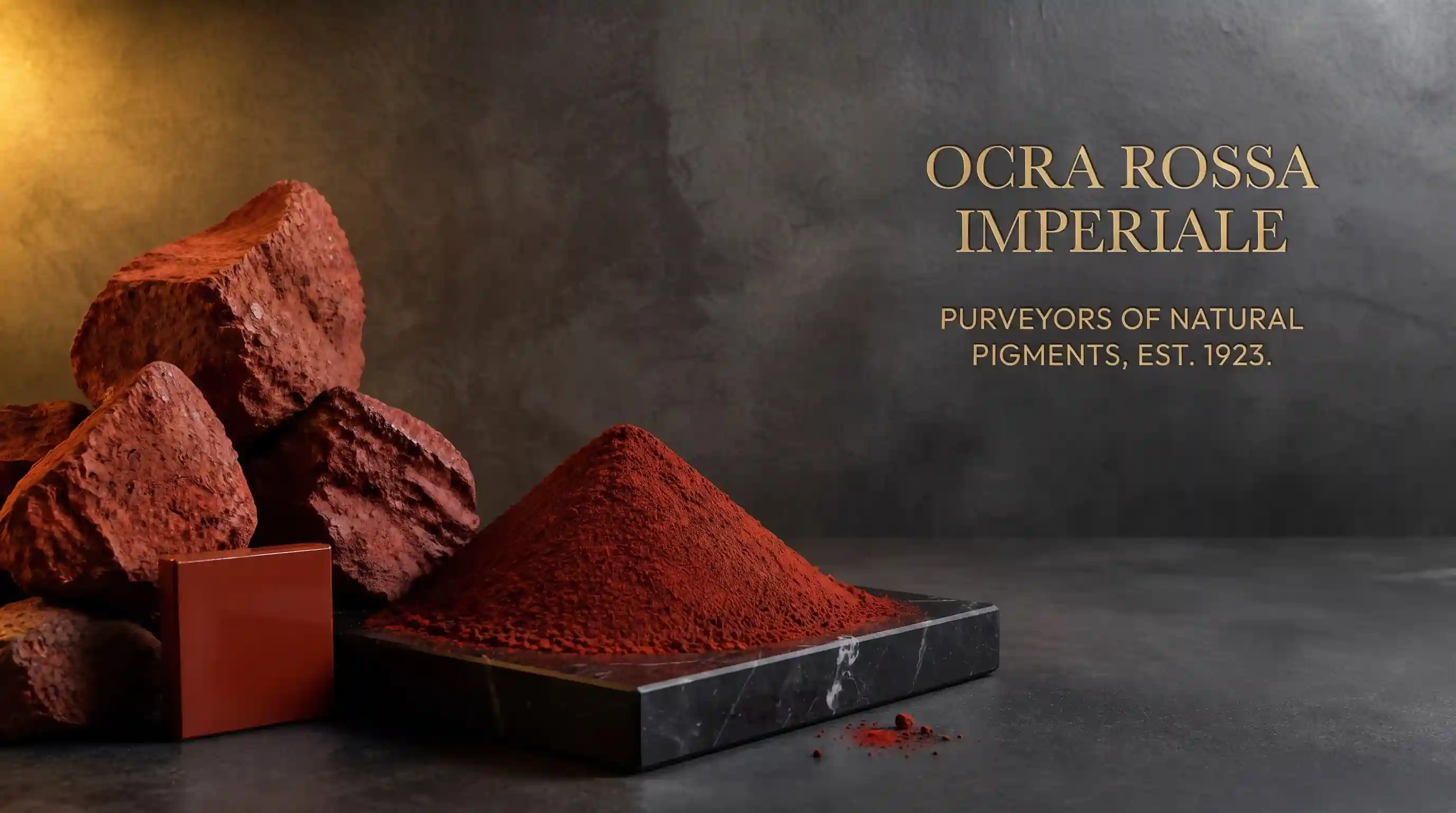
Review of Factors Affecting the Color Change of Red Iron Oxide (Ochre)
Introduction to Red Iron Oxide (Ochre) and the Importance of Color in the Mineral Industry
Introduction to Red Iron Oxide (Ochre) and the Importance of Color in the Mineral Industry: Colored minerals and natural pigments have long played a vital role in various industries. Among these materials, red iron oxide (ochre) holds a special place due to its unique visual and chemical characteristics. Understanding the factors affecting the color change of this mineral helps industrialists improve the quality of their final products. In this article, we will comprehensively examine this subject and analyze its various angles.
Mining and mineral processing is a precise process in which the physical and chemical specifications of materials are monitored. Red iron oxide (ochre) is recognized as a stable mineral pigment whose color variations can be influenced by various parameters. These parameters include particle size, chemical purity, and processing conditions, which will be discussed in detail below.
To supply this valuable material and familiarize yourself with precise technical specifications, you can visit the Red Iron Oxide (Ochre) page, provided by the Kani Sang Amiran project. A proper understanding of this pigment's behavior in industrial formulations is the key to achieving the highest quality standards in the production of coatings, cement, and ceramic products.
The paint manufacturing, protective coatings, and building materials industries require raw materials that maintain their color stability against environmental factors. The color stability of red iron oxide (ochre) heavily depends on its crystal structure and the oxidation state of the iron within it. Any changes in these structures can lead to variations in the final product's color spectrum, which is of great importance to manufacturers.
Compared to other mineral pigments such as the materials reviewed in the article Limonite Oxide (Yellow Ochre) Sales Market Review, the red color of ochre possesses different thermal and optical characteristics. These differences require specialized knowledge regarding the correct selection and application of each material in target industries to achieve the best color efficiency.
The Role of Chemical Composition and Purity in Determining the Color of Red Iron Oxide (Ochre)
The base chemical composition is the primary factor determining the color spectrum in mineral pigments. Red iron oxide (ochre) contains hematite as the main mineral phase. The presence of impurities such as silica, alumina, manganese oxides, and clay compounds can directly affect the intensity and final undertone of this material. Higher purity usually leads to a purer and more brilliant red color.
The presence of transition elements or accompanying compounds in the raw ochre ore can cause color fluctuations across different production batches. For this reason, beneficiation and purification processes play a decisive role in the color uniformity of the final product. Strict quality control in mineral processing units significantly helps reduce these deviations.
Alongside iron oxide, examining other practical minerals used in construction and decorative industries is also fascinating. For example, studying the article Review of Dolomite Application in Paint and Resin Industries provides useful information about the synergy of minerals in industrial formulations, offering a better understanding of the mineral industry.
Additionally, comparing the physical behaviors of functional minerals such as micronized powders shows how structural parameters have a profound impact on product appearance and performance. In this regard, studying the points raised in the article Review of White Talc Price and Factors Affecting Its Valuation can provide readers with a comprehensive perspective on the valuation of industrial minerals.
Ultimately, a precise understanding of the purity percentage of red iron oxide (ochre) helps formulation engineers accurately predict the color behavior of the product when exposed to other additives and prevent visual issues in the final product.
The Impact of Mesh Range (Particle Size) on the Intensity and Brilliance of Red Iron Oxide (Ochre)
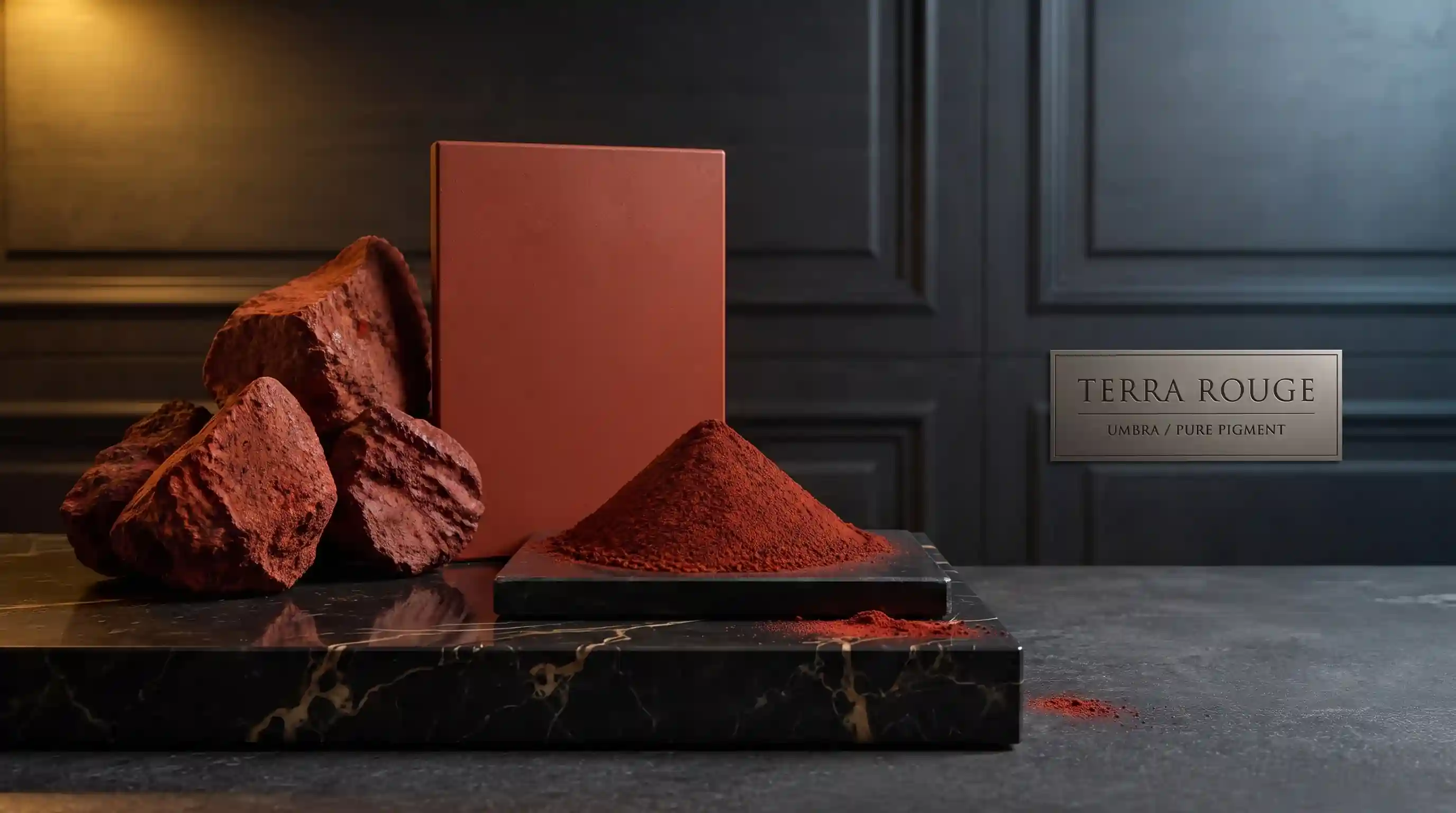
Particle size is a key physical parameter that directly impacts how light is reflected and absorbed by the pigment. Red iron oxide (ochre) is produced and supplied in a mesh range of 450 to 1500. This wide mesh range allows consumers to choose the appropriate product tailored to their exact requirements. Changes in the particle size of the micronized powder directly affect the specific surface area of the particles.
Finer particles with a higher mesh (such as 1500) typically create a larger contact area and exhibit higher hiding power and tinting strength. Conversely, coarser particles with a lower mesh (such as 450) may produce different light reflection and consequently a different undertone. This phenomenon occurs due to light refraction across different particle dimensions.
When red iron oxide (ochre) is used as a pigment in coating and paint systems, the particle size distribution determines the gloss and matte levels of the paint film. Very fine particles scatter light differently, which can influence the final appearance of the paint.
In the ceramic and cement industries, the particle size of this mineral also affects reactivity and the homogeneous distribution of color throughout the volume of the material. The more precise the grinding and micronizing process, the greater the color uniformity across the final product.
Therefore, strict control of the mesh range in the production lines of the Kani Sang Amiran project guarantees the quality and color consistency of red iron oxide (ochre) for consumer industries, allowing production engineers to utilize these products with peace of mind.
Industrial Applications and the Impact of Environmental Conditions on the Color of Red Iron Oxide (Ochre)
Red iron oxide (ochre) has diverse primary applications, including pigments, coatings, cement, and ceramic products. In each of these industries, environmental and processing conditions can affect the color stability of the material. For example, in the cement industry, ochre powder is exposed to highly alkaline environments, and its chemical stability prevents undesirable color shifts.
In the ceramic industry, product firing takes place in high-temperature kilns. Changes in mineral phases under intense heat can affect the final color. Due to its favorable thermal stability, red iron oxide (ochre) produces a stable red color in tiles, ceramics, and bricks, provided that the kiln's thermal profile is properly adjusted.
In coating and paint applications, exposure to continuous solar ultraviolet (UV) radiation and weathering factors is a severe test for color stability. Due to its stable structure, this mineral pigment exhibits excellent resistance to sunlight and does not experience rapid fading.
However, the presence of moisture, aggressive chemicals, or corrosive gases in an industrial environment can affect coatings containing this pigment over the long term. Selecting the appropriate grade with a matching mesh size from the 450 to 1500 range can optimize resistance levels.
An examination of these behaviors demonstrates that red iron oxide (ochre) is more than just a simple colorant; its technical performance in various industries heavily depends on matching the physical and chemical properties of the material with its application conditions.
The Role of Temperature and Thermal Processes in Phase and Color Changes of Red Iron Oxide (Ochre)
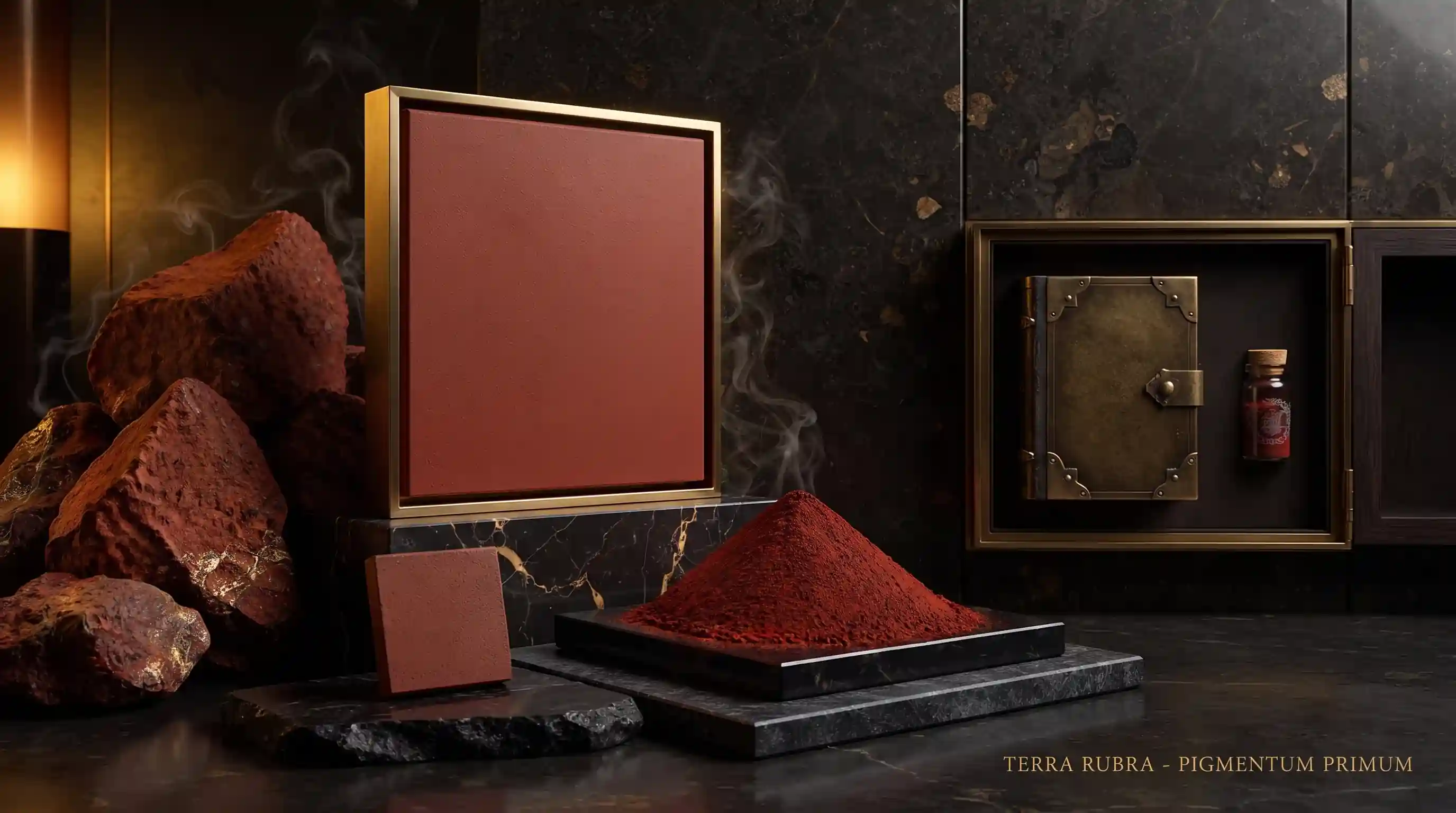
Heat and thermal processes are among the most important physical factors that can alter the crystal structure of iron oxide and consequently cause color changes in red iron oxide (ochre). This material is primarily composed of hematite, but the potential presence of iron hydroxides such as goethite in the raw ore can undergo alteration upon heating.
When minerals containing evaporative water or water of crystallization are heated, they lose their structural water and convert into more stable iron oxide phases. This thermal phenomenon can cause yellowish or brownish colors to transform into the characteristic red color of hematite.
In ceramic applications, the kiln firing temperature is the primary factor in color stabilization. If the kiln temperature exceeds standard limits or if oxidation conditions shift to reduction, the final color of red iron oxide (ochre) may suffer from unwanted darkening or spectral shifts, which requires precise kiln monitoring.
Aware of this thermal behavior, production engineers in the ceramic and cement industries adjust the firing temperature and kiln atmosphere conditions in such a way that the mineral pigment retains maximum stability and the most brilliant color spectrum.
As a result, precise control over the thermal history of raw materials and products utilizing red iron oxide (ochre) will guarantee the visual and technical quality stability of the goods in the consumer market.
Review of Testing Methods and Quality Control of Red Iron Oxide (Ochre) Color
To ensure color stability of red iron oxide (ochre) in commercial shipments, utilizing standard testing and quality control methods is essential. These tests help manufacturers and consumers identify color deviations before the material enters the main production line, thereby preventing losses.
One of the most common methods is spectrophotometry and the use of a standard color space (such as the CIELAB system). In this method, color coordinates including lightness, red-green, and yellow-blue undertones are compared with a reference sample to calculate the exact amount of color deviation.
In addition to instrumental tests, tinting strength comparison tests are performed within a standard matrix (such as white oil or a specified white paint base). In this test, the coloring capacity of red iron oxide (ochre) is compared, and the homogeneity of the powder within the 450 to 1500 mesh range is evaluated.
Other physical tests include measuring particle size distribution using a laser device, determining moisture content, and checking water-soluble impurities. High moisture or soluble salts can disrupt subsequent chemical reactions and indirectly affect color stability.
By utilizing rigorous quality control protocols, the Kani Sang Amiran project strives to supply a uniform and standard product of red iron oxide (ochre) to the market so that consumer industries experience minimal challenges in their production processes.
Storage and Maintenance Challenges of Red Iron Oxide (Ochre) and Its Impact on Color Stability
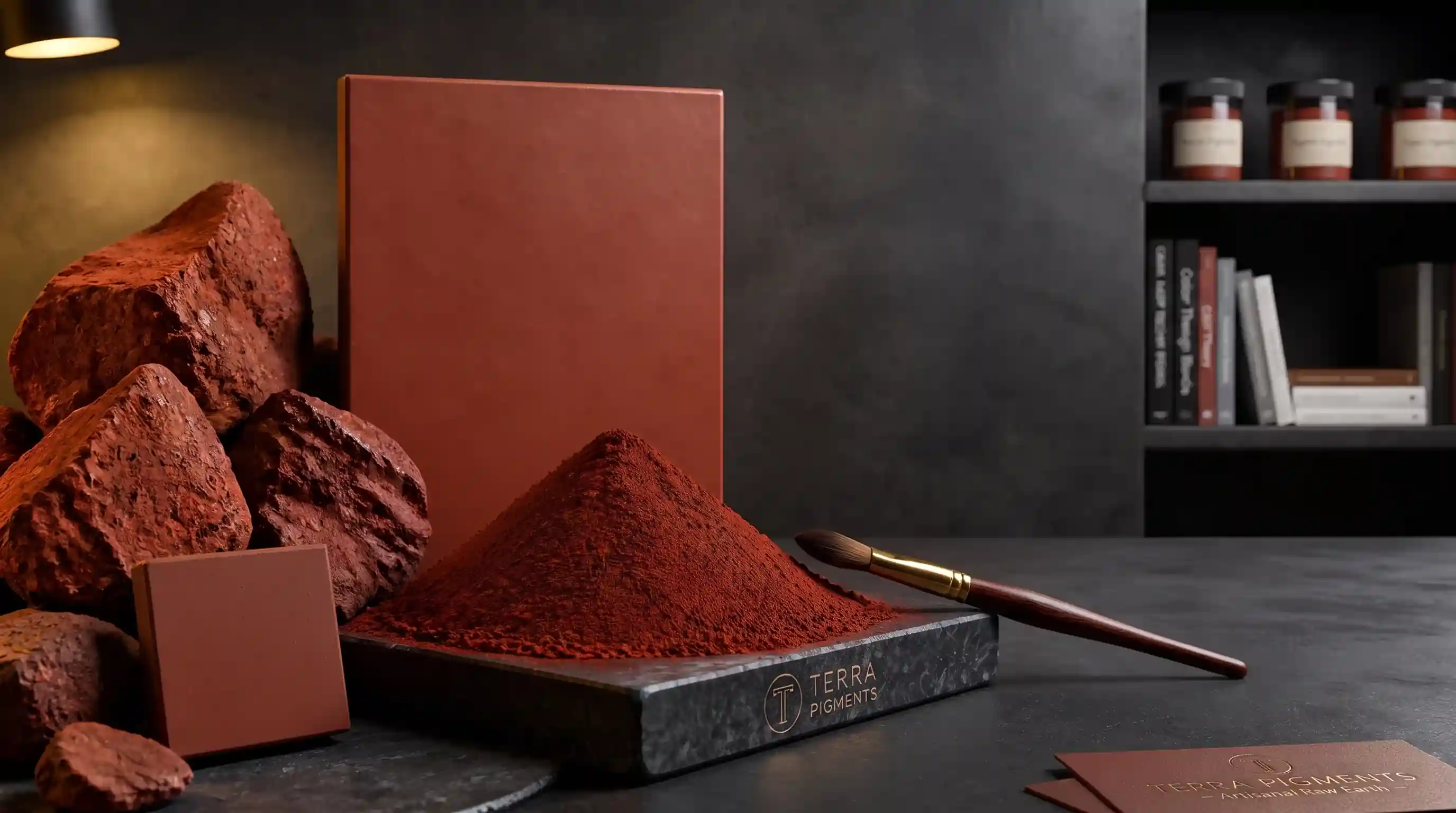
Storage and maintenance conditions of minerals play a significant role in preserving their initial quality. Although red iron oxide (ochre) is a very stable material resistant to atmospheric conditions, disregarding maintenance principles can lead to problems such as caking or moisture absorption.
Environmental humidity is one of the destructive factors in storing micronized powders. Moisture absorption by very fine particles with a high mesh (close to 1500) can cause particles to stick together and form hard lumps. This phenomenon makes uniform color distribution difficult when mixing with cement, resin, or ceramic slurry.
Additionally, prolonged exposure of bags or packaging to extreme temperature fluctuations and direct sunlight can damage packaging and affect the physical condition of the powder. Therefore, indoor, dry warehouses with proper ventilation are the best places to store this mineral pigment.
Adhering to the First-In, First-Out (FIFO) principle in warehouse management also ensures that red iron oxide (ochre) is transferred to the production line before the packaging ages, keeping its color characteristics unchanged.
Proper storage management, combined with the excellent technical specifications of this mineral, helps industrialists maximize the efficiency of purchased pigments and guarantee the quality of their final products.
Conclusion and Future Outlook of the Red Iron Oxide (Ochre) Consumer Market
In this article, we comprehensively reviewed the factors affecting the color change of red iron oxide (ochre) and analyzed the various dimensions impacting the quality of this mineral. It became clear that chemical composition, ore purity, mesh range (from 450 to 1500), temperature conditions and thermal processes, as well as storage conditions, all combine to shape the final color and stability of this pigment.
The paint, coating, cement, and ceramic products industries require quality consistency in their raw materials, and understanding these factors helps engineers make smarter choices. Utilizing quality control standards and purchasing from reputable suppliers like the Kani Sang Amiran project is a reliable strategy for achieving desired results in industrial production.
With advancements in production technologies and the micronization of mineral powders, the market outlook for red iron oxide (ochre) is very bright. The demand for natural, eco-friendly pigments with high optical and thermal stability is increasing day by day.
We hope this article has successfully clarified the various dimensions of this specialized subject and served as a useful guide for industrialists, researchers, and active participants in the mining sector and related industries to use this valuable mineral with greater awareness.
| Question |
Answer |
| What is red iron oxide (ochre)? |
It is a natural mineral pigment used as a colorant in the pigment, coating, cement, and ceramic industries. |
| What is the mesh range of this product? |
Red iron oxide (ochre) is produced and supplied in a mesh range of 450 to 1500. |
| What factors cause the color change of red iron oxide? |
Chemical composition, purity level, particle size (mesh), thermal conditions, and storage moisture levels are the main factors. |
| What are the primary applications of red iron oxide? |
Pigment manufacturing, production of coatings and paints, the cement industry, and ceramic products. |
| Does particle size affect color intensity? |
Yes, finer particles with a higher mesh create a larger contact area and exhibit higher tinting strength. |
| What is the role of temperature on the color of this material? |
Heat and firing at high temperatures can stabilize the crystal structure and affect the color spectrum. |
| How can powder caking be prevented? |
Storage in dry, indoor warehouses away from extreme moisture prevents caking. |
| Why is chemical purity important? |
Higher purity helps achieve a purer red color and reduces color deviations in the final product. |
| How can color quality be tested? |
By using spectrophotometry, measuring tinting strength, and standard laboratory tests. |
| Where can this product be obtained? |
You can proceed through the website of the Kani Sang Amiran project and the dedicated product page. |
Kani Sang Amiran Project — Specialized reference for the production and supply of mineral and industrial materials.
:: برچسبها:
Red Iron Oxide (Ochre) ,
Review of Factors Affecting the Color Change of Red Iron Oxide (Ochre) ,
:: بازدید از این مطلب : 3
|
امتیاز مطلب : 0
|
تعداد امتیازدهندگان : 0
|
مجموع امتیاز : 0


 عضو شوید
 عضویت سریع
 آمار مطالب
 آمار بازدید


