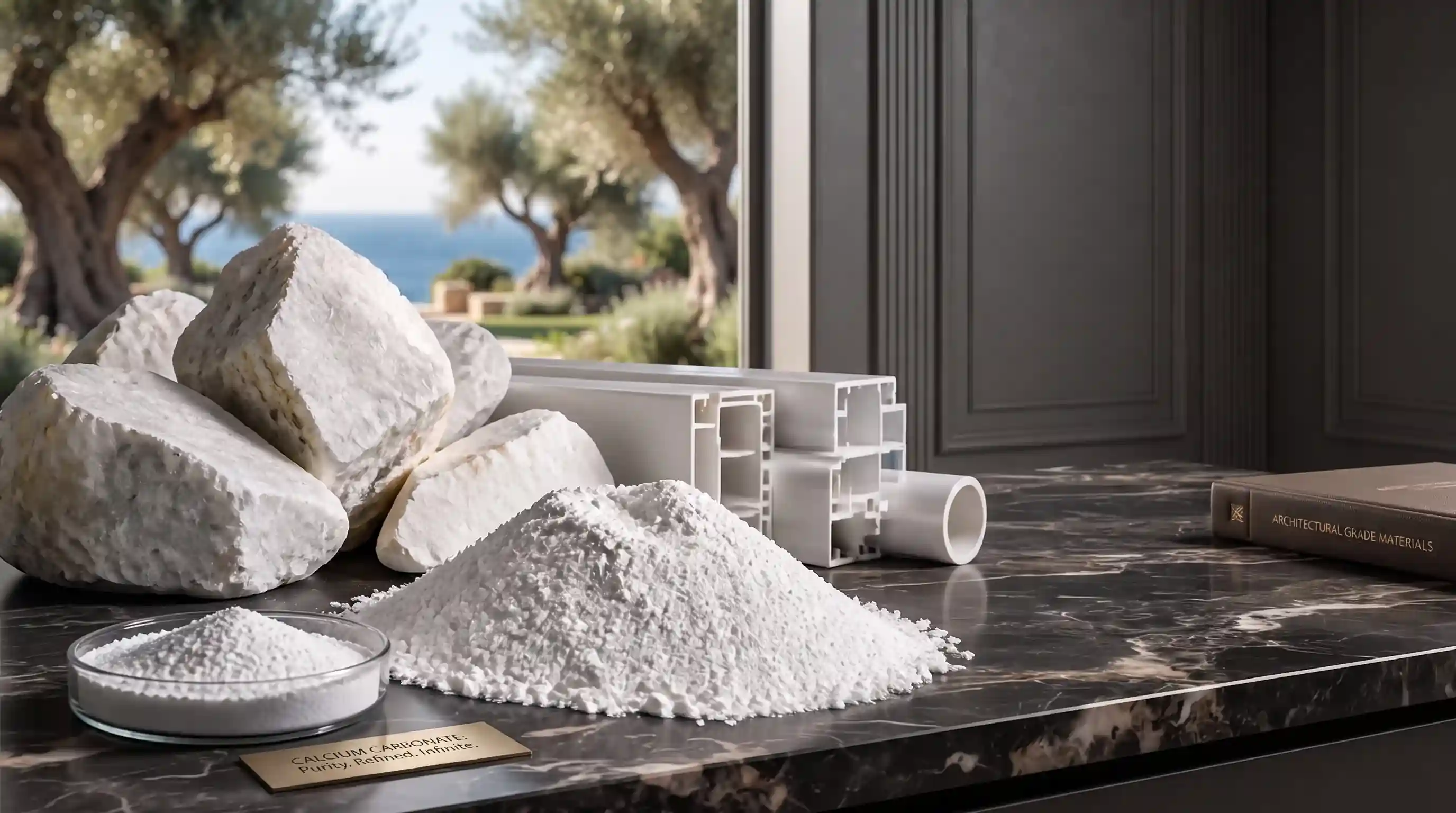
Specialized Application of Calcium Carbonate in the Paint Industry
Introduction to the Importance of Calcium Carbonate in the Paint Industry
The paint industry is one of the most advanced mineral-dependent industries, relying heavily on mineral fillers and pigments to improve the physical, mechanical, and aesthetic properties of its products. Among the wide range of fillers, calcium carbonate is recognized as one of the most vital and widely used compounds. This mineral, with its unique characteristics, plays a decisive role in optimizing the formulation of various architectural, industrial, and surface coating paints. The use of high-quality minerals, such as the products introduced on the specialized calcium carbonate page, allows manufacturers to strike an ideal balance between total cost and final quality.
Examining the role of this material in the paint industry requires a precise understanding of its chemical and physical properties. Due to its abundance in nature, high purity, and desirable whiteness, this compound holds a special position in paint formulation. Furthermore, its particle size distribution and suitable mesh range allow it to be used in both water-based and solvent-based systems. Alongside this material, other minerals are also used in industrial coatings, such as the application of kaolin in the paint and industrial coatings industries, which helps improve rheological properties. In the remainder of this article, we will examine the various dimensions of using this valuable material in detail.
Physical and Chemical Properties of Calcium Carbonate in Paint Formulation
The performance of any mineral in the paint industry is heavily influenced by its physical specifications. Calcium carbonate, with a wide mesh range between 100 and 3500 mesh, provides high flexibility to paint formulations. Coarser particles are used in primers and putties, while very fine, micronized meshes are used in glossy and semi-glossy architectural paints to create a smooth and homogeneous surface. As an inert filler, this material has low reactivity with resins, which significantly increases the storage stability of the paint.
Another key parameter in selecting this mineral is its level of whiteness and brightness. High whiteness helps reduce the consumption of expensive titanium dioxide pigment, thereby optimizing the final product cost. Additionally, the geometric shape of the particles and their specific surface area have a direct impact on oil absorption and paint viscosity. Precise control of these parameters ensures that the final paint does not crack after drying and provides optimal coverage. For more information on surface modification of these particles, reading the article comprehensive guide to using coated calcium carbonate in paint making is recommended, as it offers important technical tips.

The Role of Calcium Carbonate in Improving Coverage and Paint Opacity
One of the main goals of paint formulation is to achieve high coverage power or opacity so that the substrate is well-covered. Calcium carbonate, due to its appropriate refractive index alongside primary pigments, helps in optimal light scattering. When micronized meshes of this material are used, proper spacing is created between pigment particles, preventing their agglomeration. This phenomenon maximizes the efficiency of titanium dioxide.
In addition to improving opacity, the presence of this mineral in the paint matrix helps control gloss. In matte and semi-matte architectural paints, particles of a specific size cause incident light to scatter, creating a uniform appearance without dazzling reflection. This feature is of great importance in building interior design. Alongside this material, other substances such as examining the application of dolomite in the paint and resin industries also show how different mineral stones can play a role in adjusting the optical and mechanical properties of coatings.
Impact of Calcium Carbonate on Stability and Mechanical Durability of Industrial Coatings
Mechanical durability and resistance to weather conditions are among the most important indicators for evaluating the quality of industrial and architectural paints. The use of calcium carbonate in the paint structure improves the strength of the dried film and its resistance to abrasion. The appropriate hardness of this mineral helps the paint film remain stable against mechanical stresses and increases the lifespan of the coating in various environments. Furthermore, due to its dense structure, this filler reduces the permeability of the paint film to moisture and gases.
The Kani Sang Amiran project, by producing various high-quality minerals, offers this product in a range of 100 to 3500 mesh so that various industries, including paint manufacturing, can choose the exact granulation they require. Resistance to peeling and cracking are other advantages of utilizing the appropriate meshes of this material. The uniform distribution of particles throughout the paint volume ensures that thermal and environmental stresses are distributed homogeneously across the entire coating, preventing localized degradation of the paint film.
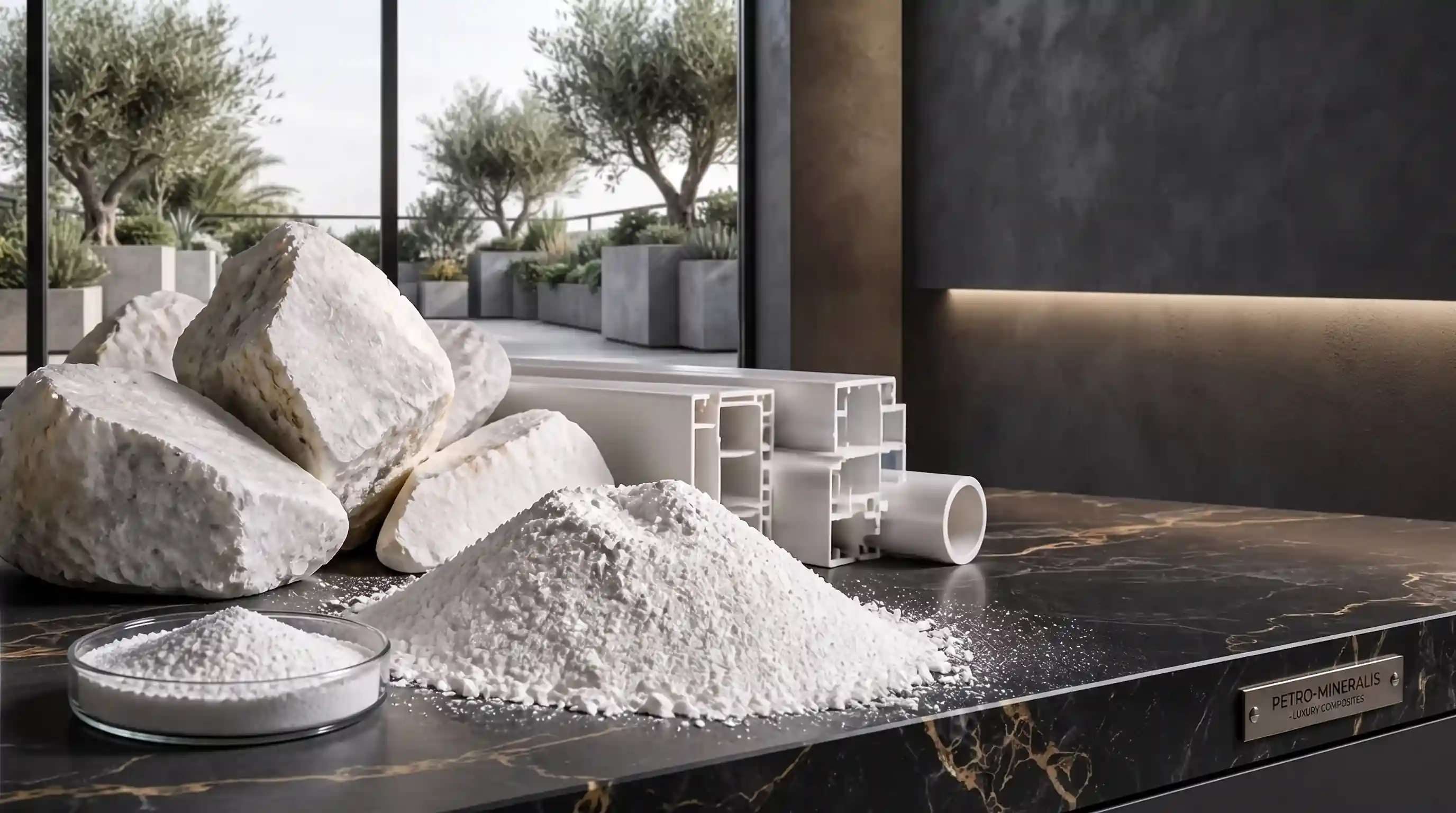
Optimizing Viscosity and Rheological Properties with Calcium Carbonate
The flow behavior or rheology of paint during production, storage, and application (by brush, roller, or spray gun) plays a vital role. Calcium carbonate, as a functional filler, has a direct effect on the viscosity and shear-stress behavior of the paint. Correct selection of mesh size and dosage allows the formulator to adjust the paint viscosity to standard levels, ensuring the paint does not hard-settle during storage and spreads easily on the surface during application.
The oil absorption properties of this mineral are one of the key parameters in controlling rheology. Particles with different meshes absorb varying amounts of binder (resin). By carefully managing this amount, gloss reduction caused by a lack of resin is prevented, and the adhesion of paint to underlying surfaces is maximized. This feature is of particular importance in water-based and plastic architectural paints, as it maintains the colloidal stability of the system and prevents particle flocculation.
Economic Role of Calcium Carbonate in Reducing Final Paint Production Costs
From an economic perspective, the paint industry is always looking for ways to reduce production costs without compromising quality. Calcium carbonate, due to the abundance of mineral reserves and cost-effective processing, is considered one of the cheapest yet most efficient raw materials in this industry. Replacing a percentage of expensive resins and pigments with this mineral allows manufacturers to offer their products to the market at a more competitive price.
The Kani Sang Amiran project, with a focus on advanced extraction and processing, supplies this product with high purity and precise granulation, which leads to reduced production waste and increased productivity of paint production lines. In addition to the paint industry, this material has widespread applications in PVC/UPVC pipes and profiles, masterbatches, cables, artificial leather, paper, adhesives, and engineered stone, demonstrating its breadth of utility as a strategic material. This economic saving contributes significantly to the prosperity of manufacturers' businesses and increases their market share.

Technical Tips and Challenges of Using Calcium Carbonate in Paint Systems
Despite its many benefits, the use of calcium carbonate requires adherence to engineering principles and precise formulation. One of the main challenges is the tendency of micronized particles to re-agglomerate due to Van der Waals forces. To overcome this challenge, it is necessary to use appropriate dispersants in the paint production process to ensure uniform particle distribution. Additionally, controlling the moisture present in the minerals before they enter mixing tanks prevents unwanted reactions and changes in viscosity.
The compatibility of this material with various acrylic, alkyd, epoxy, and polyurethane resins must be checked in quality control laboratories. In some acidic systems, this material may react due to its weak alkaline nature, so selecting the appropriate grade or coated types becomes important. Following these technical tips ensures that the final paint fully meets all performance standards, including corrosion resistance, color stability, and adhesion.
Future Outlook and Innovations in the Application of Calcium Carbonate in Coating Industries
With the advancement of modern technologies in mineral and chemical industries, new approaches have emerged in the use of calcium carbonate. Today, nanotechnology and the production of ultra-fine particles have opened new doors to the paint industry. These innovations have enabled the production of coatings with extraordinary resistance to scratches, ultraviolet rays, and harsh weather conditions. The development of surface technologies and chemical modification of particles have increased the compatibility of this material with the most advanced polymer resins.
The Kani Sang Amiran project, by monitoring daily market needs and offering high-quality products in the 100 to 3500 mesh range, moves in step with industrial advancements. A focus on producing high-purity micronized powders has drawn a bright outlook for improving the quality of interior and industrial paints. Undoubtedly, sustainable development in the paint and coating industries will depend on the optimal utilization of these valuable mineral resources and their adaptation to environmental standards.

| Question |
Answer |
| What is calcium carbonate and what role does it play in paint? |
It is a mineral filler used to improve coverage, opacity, and reduce costs in paint. |
| What mesh range of this material is suitable for paint manufacturing? |
The 100 to 3500 mesh range is used depending on the type of paint (architectural, industrial, glossy, or matte). |
| Does this material affect paint gloss? |
Yes, finer meshes help adjust gloss and create a homogeneous surface. |
| What other industries use this product? |
PVC/UPVC pipes and profiles, masterbatches, cables, artificial leather, paper, adhesives, and engineered stone. |
| How does this material help reduce paint costs? |
By replacing a portion of expensive pigments and resins, it lowers the final cost. |
| Does this material increase paint storage stability? |
Yes, due to its inert nature, it improves the chemical stability and shelf life of paint. |
| What is the role of this material in paint viscosity? |
It helps adjust viscosity and improves the flow behavior of paint during application. |
| Why is particle size distribution important? |
It is essential to prevent particle agglomeration and maximize titanium dioxide efficiency. |
| Does this material increase the mechanical resistance of paint? |
Yes, it increases the strength of the dry paint film against abrasion and environmental stresses. |
| Where can this product be purchased? |
It can be ordered through the dedicated calcium carbonate page on the Kani Sang Amiran project website. |
Specialized Reference for Mineral and Industrial Materials, Kani Sang Amiran Project (ksamiran.ir)
:: برچسبها:
Calcium Carbonate ,
Specialized Application of Calcium Carbonate in the Paint Industry ,
:: بازدید از این مطلب : 0
|
امتیاز مطلب : 0
|
تعداد امتیازدهندگان : 0
|
مجموع امتیاز : 0


 عضو شوید
 عضویت سریع
 آمار مطالب
 آمار بازدید


