
The Impact of Dolomite on Reducing Production Costs in Mineral Industries
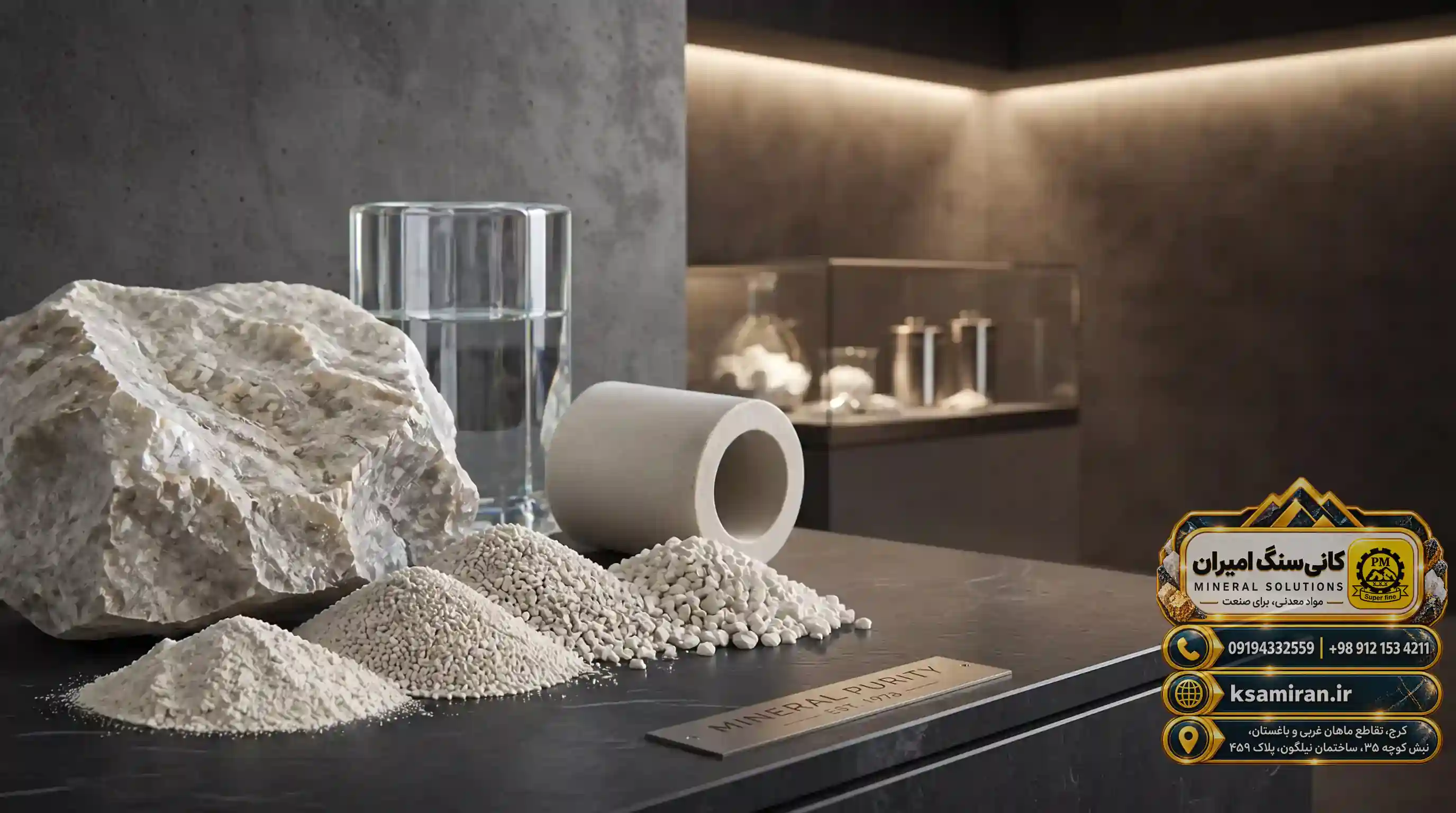
The Impact of Dolomite on Reducing Production Costs in Mineral Industries
Introduction to the Role of Dolomite in Optimizing Mineral Costs
In the mineral and processing industries, managing production costs is one of the primary challenges for managers and engineers. Selecting appropriate raw materials that simultaneously enhance the quality of the final product and reduce operational costs is of great importance. Dolomite, as a strategic mineral containing calcium and magnesium compounds, holds a special place in this field. The intelligent use of this material can significantly reduce melting, firing, and preparation costs.
In this article, we closely examine the economic and technical aspects of using this material. A precise understanding of its physical and chemical properties paves the way for greater efficiency in manufacturing plants. By analyzing consumption trends, we realize how this valuable mineral can act as a cost-reduction tool in the supply chain and guarantee the profitability of economic enterprises.
Mineral industries are always looking for cost-effective alternatives that also maintain quality standards. Due to its relative abundance and easy availability, this mineral is safe from severe price fluctuations, and this feature greatly helps in stabilizing the budgeting of production units. In the following sections, we will scrutinize its direct and indirect impacts on various industrial sectors.
Familiarity with Technical Specifications and the Mesh Range of Dolomite
A precise understanding of the physical specifications and granulation of minerals before they enter the production line prevents financial losses. This mineral is supplied with a mesh range of 10 to 40 mesh, which is ideal for many industrial processes. Matching particle size with the requirements of industrial furnaces and mixers regulates the reaction rate and increases overall work efficiency.
The 10–40 mesh range of this product has been processed to produce the minimum amount of fines and dust. This feature not only prevents material waste but also makes handling it safer in workshops and factories. Reducing raw material waste directly impacts lowering annual purchasing costs and expenses related to equipment cleaning and maintenance.
Production line engineers, by being aware of this standard granulation, can optimize their mixers. The lack of need for re-crushing or heavy preparation processes at the consumer plant means massive savings in electrical energy consumption and machinery wear and tear. This technical advantage is considered one of the main pillars of reducing operational costs.

The Key Role of Dolomite in the Glass Industry and Energy Consumption Reduction
The glass-making industry is one of the most energy- and raw-material-intensive sectors. Using this mineral as a source of magnesium and calcium oxides in the glass batch is a turning point in lowering the melting temperature of furnaces. A lower melting temperature means less fuel and gas consumption and, consequently, a dramatic decrease in energy costs.
In addition to energy savings, the presence of this compound in the glass melt improves chemical stability, increases impact resistance, and enhances the transparency of the final product. Reducing production glass waste due to the uniformity of the chemical composition elevates the factory's economic efficiency and sharply lowers the cost per ton of product.
Producers of glass containers and sheets are always looking for solutions to stabilize their furnaces. Utilizing the appropriate granulation of this material accelerates the melt homogenization process. This perfect harmony between raw materials and thermal equipment also minimizes furnace refractory repair costs, preventing heavy maintenance expenses.
Optimizing Ceramic Product Formulations with Dolomite
In the ceramics industry, controlling firing shrinkage and improving the mechanical properties of tile and ceramic bodies is of vital importance. This mineral acts as an effective flux at high temperatures and aids in the formation of glassy phases within the ceramic structure. This process leads to a reduction in furnace firing temperature and improves the density of the ceramic body.
Lowering the firing temperature in tunnel and roller ceramic kilns directly reduces fuel and electricity costs. Furthermore, with precise firing control, the rate of product breakage and warping at the end of the production line is minimized. This means reduced waste and an increased percentage of first-grade products, which has a direct impact on the company's profitability.
To read more about the broader dimensions of this mineral's applications, you can read the article Reviewing the Application of Dolomite in Paint and Resin Industries, which provides useful information regarding its economic effects. The intelligent choice of raw materials in the ceramic industry guarantees the competitiveness of brands in domestic and foreign markets.
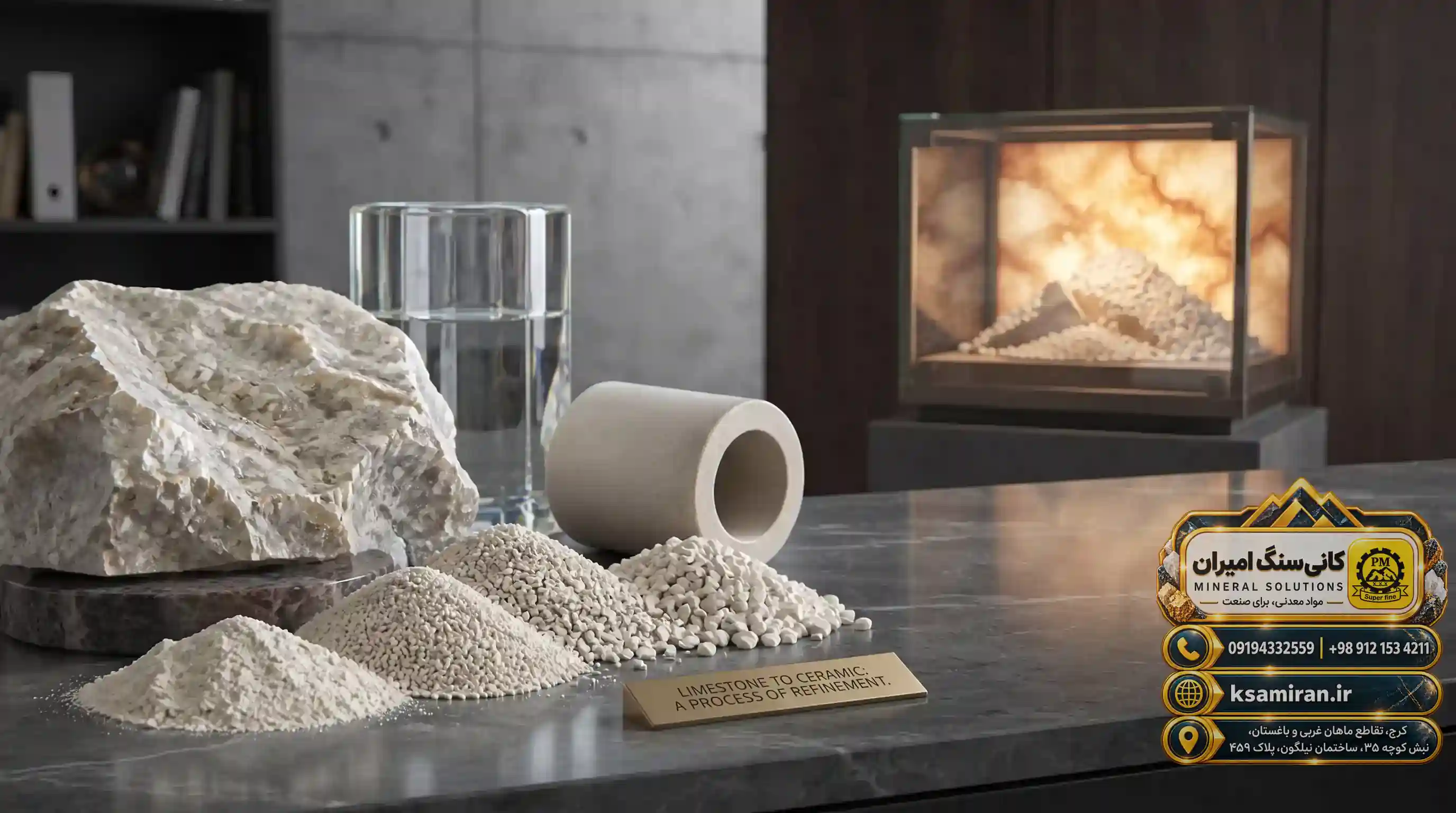
Application of Dolomite in Construction Materials and Reduction of Infrastructure Costs
The construction and urban development sector is the largest consumer of mineral materials in the world. Due to its high durability, good adhesion with other binding agents, and resistance to atmospheric factors, this mineral holds a special place in the production of concrete, asphalt, and dry mortars. Using this material instead of other expensive aggregates reduces the final costs of civil projects.
Regarding the industrial importance of these materials, reviewing the article What is the Important Application of Dolomite in Construction and Manufacturing Industries? provides comprehensive viewpoints for engineers regarding the optimization of material consumption. High structural durability and abrasive resistance drastically reduce the maintenance and reconstruction costs of structures in the long run.
Large civil projects require a sustainable supply of raw materials at economic prices. Access to standard granulations of this mineral accelerates project execution speed and prevents stoppages caused by material shortages. This, in turn, significantly manages and moderates contractors' overhead costs.
Economic Comparison of Dolomite Consumption with Other Carbonates
Purchasing managers in mineral industries are always looking to compare the price and efficiency of different materials. Compared to pure limestone or other alkaline carbonates, this material offers the dual advantage of the simultaneous presence of calcium and magnesium. This structural feature eliminates the need to purchase expensive magnesium-bearing additives in many processes.
The price stability of this product in the domestic market and its lack of dependence on severe currency fluctuations help with the long-term financial planning of factories. Reducing logistics and transportation costs due to the availability of rich domestic resources positively affects the ex-factory price of raw materials and maintains the producer's competitiveness.
Additionally, compared to synthetic chemical materials, using natural minerals drastically reduces processing costs. The stable mineralogy and proper purity of this product minimize production quality risks and prevent heavy damages resulting from products falling out of standard.

Reduction of Environmental and Waste Costs Using Dolomite
Today, environmental costs and penalties resulting from greenhouse gas emissions and industrial waste have become an important part of production expenses. The use of this material in industrial processes, due to acid neutralization and the absorption of pollutant gases in furnaces, greatly helps in reducing negative environmental impacts and lowers compliance costs with regulations.
Furthermore, familiarity with supplementary applications of minerals in insulation and energy consumption optimization, such as reviewing The Application of Industrial Barite in the Production of Sound and Thermal Insulations, shows how a diverse portfolio of minerals can manage the side expenses of factories. Waste management and the recycling of furnace scrap are facilitated with the help of this mineral.
The reduction of carbon dioxide emissions, thanks to lower melting temperatures in glass and ceramic furnaces, exempts industrial units from paying heavy pollution fees. This sustainable approach not only reduces costs but also enhances the social and industrial image of the company as a green producer.
Supply Chain Management and Future Outlook of Production Costs
Supply chain management is one of the main pillars of reducing hidden costs in mineral industries. Timely and uninterrupted supply of raw materials with consistent technical specifications prevents capital lockup and keeps the production line at the highest level of efficiency. Cooperating with reputable mineral producers guarantees long-term quality stability.
The future outlook of mineral industries is built upon automation, reduced energy consumption, and the use of optimized raw materials. This mineral, possessing high potentials in lowering operating temperatures and improving mechanical and chemical properties, will play an essential role in this transformation. Investing in formula optimizations with this mineral brings a rapid return on investment.
Finally, the Kani Sang Amiran project, by supplying this quality product, has taken an effective step toward supporting the country's manufacturing industries. By continuing to use these economic solutions, industrial managers can face market challenges with greater confidence and secure sustainable profitability for their enterprises.
| Question | Answer |
|---|---|
| What is dolomite and what are its applications? | It is a composite mineral of calcium and magnesium that has abundant applications in the glass, ceramic products, and construction materials industries. |
| What is the mesh range of this product? | This product is processed and supplied in the mesh range of 10 to 40 mesh. |
| How does this material help reduce production costs? | By lowering the melting temperature in the glass and ceramic industries, reducing energy consumption, and improving furnace efficiency, it cuts costs. |
| Does this material have an impact on the glass-making industry? | Yes, as a source of magnesium and calcium oxides, it leads to a reduction in melting temperature and improves the transparency and stability of glass. |
| What is the application of this mineral in construction materials? | It is used in the production of concrete, asphalt, mortars, and as a durable and economical aggregate in civil projects. |
| Why is the 10 to 40 mesh granulation important? | This granulation creates appropriate reactivity in furnaces and prevents the production of fines and material waste. |
| Is the consumption of this material effective in reducing energy costs? | Yes, by lowering the firing and melting temperatures, it noticeably decreases furnace fuel consumption. |
| What is the difference between this material and other carbonates? | The simultaneous presence of calcium and magnesium in its structure eliminates the need for other additives and is cost-effective. |
| How can this product be obtained? | It can be ordered through the official product page on the Kani Sang Amiran website. |
| Does using this material help the environment? | Yes, by reducing fuel consumption and controlling furnace pollutants, it helps decrease environmental costs. |
Kani Sang Amiran Project — Production of minerals and specialized mineral processing.



















ورود کاربران
خوش آمدید! لطفا وارد حساب خود شوید