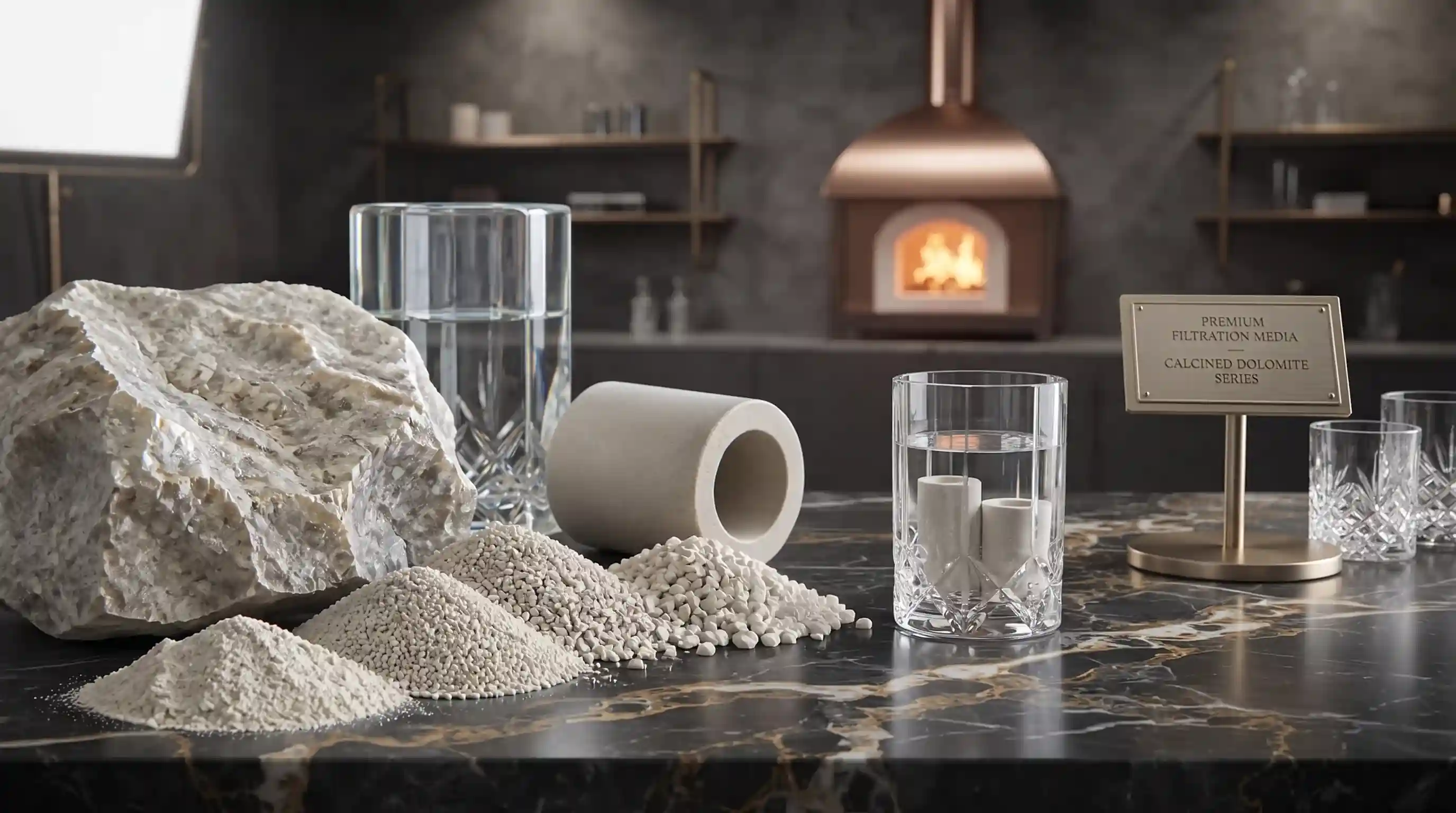
The Impact of Dolomite Powder Usage in Isogam Industries
An Introduction to the Mineral Dolomite and Its Significance in Industry
The mineral dolomite is known as one of the important and widely used carbonate minerals in various industries. Structurally, it is very similar to limestone, but the presence of magnesium alongside calcium in its chemical structure gives it distinct physical and chemical properties. In modern industries, utilizing high-quality minerals plays a key role in improving the quality of the final product, and understanding the characteristics of this material can significantly help in optimizing industrial processes.
Examining the effects of this mineral on various industries shows that its processing and precise granulation are the keys to success in specialized applications. To learn more about how to supply this product and its technical specifications, you can visit the dedicated dolomite page. In this article, we intend to examine in detail the applications and effects of this material in areas such as glassmaking, ceramics, and construction materials.
The Kani Sang Amiran project, by producing high-quality minerals, strives to cover the needs of various industries in the best possible way. The use of this mineral not only helps to enhance product quality but also plays an important role in economic assessments; as discussed in detail in the article The Impact of Dolomite on Reducing Production Costs in Mining Industries, choosing the right raw materials can significantly reduce finished costs.
The Role of Dolomite in the Glassmaking Industry and Improving Melting Quality
The glassmaking industry is one of the major consumers of carbonate minerals, and dolomite holds a special place in this industry. This material acts as a source of calcium oxide and magnesium oxide in glass batches. The presence of magnesium in the glass composition improves chemical stability, increases resistance to atmospheric factors, and reduces the glass's tendency toward unwanted devitrification during shaping.
The appropriate mesh range for industrial use is usually determined based on the requirements of melting furnaces. Using the correct granulation of this mineral helps to homogenize the melt and reduce air bubbles in the glass structure. The Kani Sang Amiran project, by providing standard products in this field, helps glass manufacturers to have a more stable and efficient melting process.
In addition to improving the thermal and mechanical properties of glass, the use of this mineral additive reduces the overall melting temperature of the furnace, which in turn leads to energy consumption optimization. For this reason, glass industry engineers always pay special attention to the purity and physical specifications of this material to ensure the final product quality.
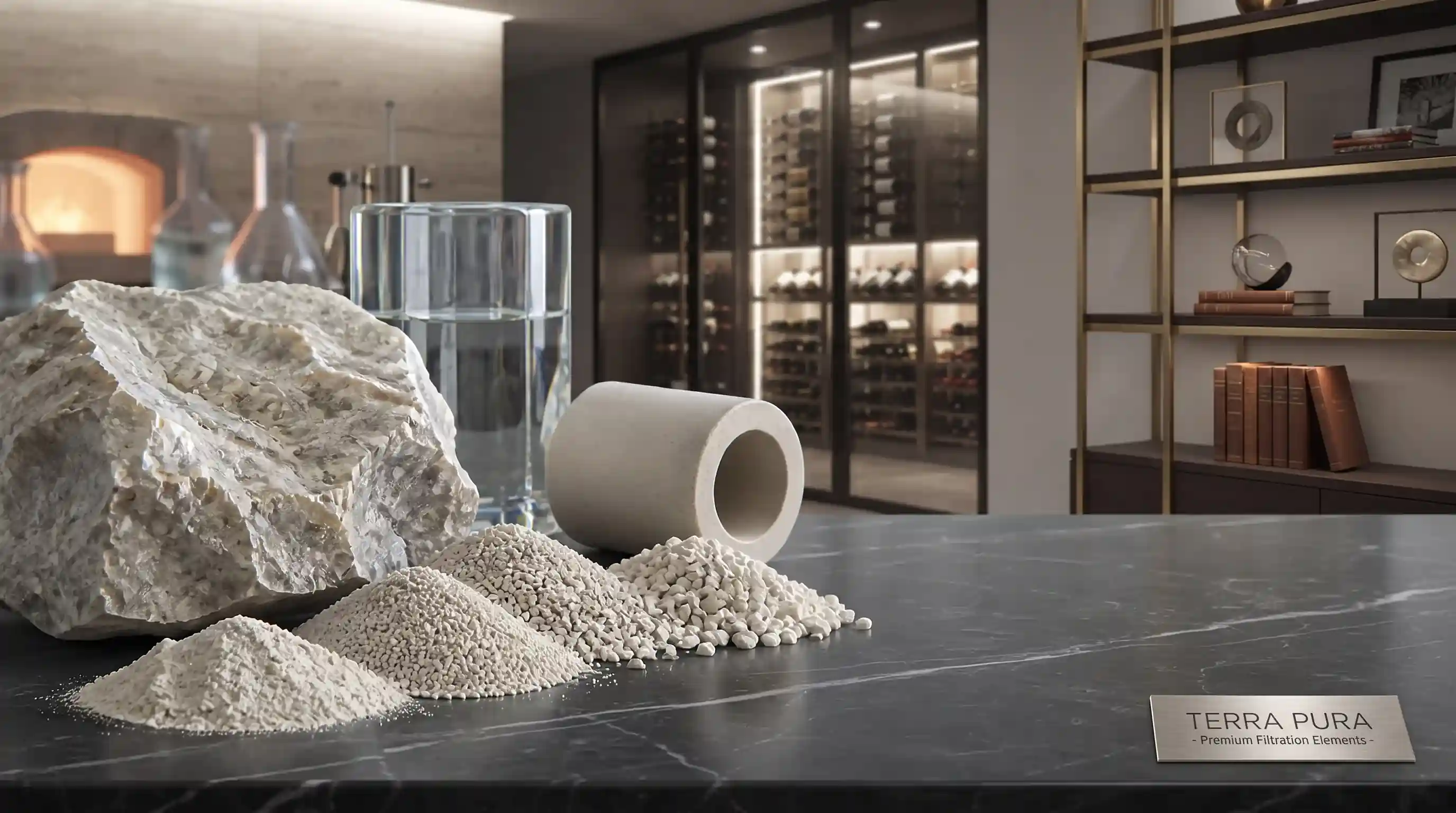
Application of Dolomite in Ceramic and Glaze Industries
In the ceramic industry, raw materials play a very sensitive role in determining the mechanical, aesthetic, and thermal properties of the product. Dolomite acts as a strong flux at high temperatures. This feature causes ceramic body particles to fuse together faster, resulting in better density in the final product.
In the production of ceramic products, the simultaneous presence of calcium and magnesium helps control firing shrinkage and improves the color of the ceramic body. Also, in the formulation of ceramic glazes, this mineral helps adjust glaze viscosity at firing temperatures and prevents defects such as cracking or pinholing on the glaze surface.
Ceramic product manufacturers are always looking for suppliers who offer consistent purity and quality. The Kani Sang Amiran project, by focusing on standard extraction and processing of minerals, meets this need of the ceramic industry with high precision and helps improve the quality of tiles, ceramics, and sanitary ware.
Applications of Dolomite in Construction Materials and Civil Engineering
Construction materials are one of the most extensive areas for mineral consumption, and dolomite has a special place in this industry due to its high durability and structural stability. This material is used in the production of various mortars, specialized concretes, asphalt, and precast concrete products as a filler and mechanical property improver.
The 10–40 mesh range of this mineral is used for specific purposes in the construction industry and the production of building materials. Precise granulation helps improve adhesion, increase compressive strength, and reduce water absorption in construction products. Civil engineers, by utilizing these features, design structures with longer lifespans and higher quality standards.
Alongside this material, other minerals are also used in the construction and materials industry, and knowing them helps improve construction quality. For example, in the article How is Red Iron Oxide (Ochre) Used in Brick Manufacturing?, the color and structural applications of other minerals in the brickmaking industry are discussed, which complements the technical knowledge of civil engineers and material producers.

Mesh Range and Standard Technical Specifications of Dolomite
The physical specifications and granulation of minerals are the primary factors determining their efficiency in industry. Dolomite is supplied in a 10–40 mesh range, which is very suitable for processes that require coarser particles or controlled granulation.
Choosing the right mesh is done based on the type of final application. For example, in the glassmaking and construction materials industries, particle size must be such that the homogeneity of the mixture is maintained and the accumulation of fine or coarse particles is prevented. The Kani Sang Amiran project, with precision in the granulation process, offers products with specific standards to the market.
Strict quality control on the mesh range of this mineral ensures that the incoming raw materials for factories do not fluctuate and production lines continue to work without interruption. This quality stability is considered a competitive advantage for large manufacturing industries.
The Impact of Dolomite on the Chemical and Thermal Properties of Industrial Products
The chemical and thermal characteristics of raw materials determine their behavior in furnaces and industrial reactions. The presence of magnesium and calcium ions in the structure of dolomite creates extraordinary thermal stability in final products. This thermal stability is vital in industries that deal with high temperatures.
When this material is subjected to heat, it releases its carbon dioxide and converts into active oxides; these oxides, in reaction with other raw materials, form new and more stable phases. This mechanism plays a key role in improving mechanical strength and reducing thermal shrinkage.
Precise knowledge of these reactions allows experts in the glass, ceramic, and construction materials industries to create more optimal formulations. The Kani Sang Amiran project, by providing transparent information about its products, has paved the way for the optimal and scientific use of these minerals.

The Role of Supplementary Minerals in the Paint and Industrial Coatings Industries
Mining industries are an interconnected chain, and understanding the application of one material requires an understanding of its interaction with other functional minerals. While dolomite plays a major role in glass, ceramics, and construction materials, other minerals also have unique applications in related industries such as paint manufacturing and industrial coatings.
For instance, kaolin is one of the most widely used minerals in the coating industry, and examining its features can provide a comprehensive view of industrial minerals. In the article Application of Kaolin in the Paint and Industrial Coatings Industries, the role of this mineral in improving coverage and adhesion is discussed in detail.
Integrating knowledge of the application of various minerals such as dolomite, kaolin, and other additives helps engineers and producers optimize their product portfolios and offer the highest quality products to the market. The Kani Sang Amiran project, as a leading producer, supplies a diverse range of minerals for various industries.
Future Outlook and the Importance of Quality in Supplying Industrial Dolomite
With the advancement of technology and the increase in quality standards in manufacturing industries, the need for raw materials with high purity and precise technical specifications is felt more than ever. Dolomite, as a strategic mineral, will continue to have a firm place in the glass, ceramic, and construction materials industries.
Industrial producers need reliable partners who can guarantee a sustainable supply of raw materials with consistent quality. The Kani Sang Amiran project, relying on technical knowledge and rich mineral resources, is committed to providing standard products and responding to the growing needs of the country's industries.
Ultimately, smart selection of raw materials and attention to technical details such as mesh range and chemical purity is the key to durability and success in today's competitive market. Using this high-quality mineral is a safe investment for enhancing the quality of final products in various industries.

| Question |
Answer |
| What is dolomite? |
It is a carbonate mineral containing calcium and magnesium that is very similar to limestone. |
| What are the main applications of dolomite? |
This material is used in glass, ceramic products, and construction materials industries. |
| What is the mesh range of Amiran dolomite? |
This product is supplied in a 10–40 mesh range. |
| Why is dolomite used in glassmaking? |
To supply magnesium and calcium oxide, improve chemical stability, and reduce the tendency toward crystallization. |
| What is the role of dolomite in ceramic industries? |
It acts as a flux and helps with better body density and glaze adjustment. |
| Is this material used in construction materials? |
Yes, it is used in the production of mortar, concrete, and construction products as a filler and strength improver. |
| How can this product be obtained? |
It can be ordered through the dedicated product page on the Kani Sang Amiran website. |
| What is the impact of dolomite on production costs? |
Selecting it correctly can help optimize the process and reduce finished costs. |
| Does dolomite powder have thermal stability? |
Yes, the presence of magnesium in its structure creates suitable thermal stability. |
| Who is the main producer of this mineral? |
The Kani Sang Amiran project acts as a producer of industrial minerals. |
Kani Sang Amiran Project — Reference for production and supply of industrial minerals
:: برچسبها:
Dolomite ,
The Impact of Dolomite Powder Usage in Isogam Industries ,
:: بازدید از این مطلب : 0
|
امتیاز مطلب : 0
|
تعداد امتیازدهندگان : 0
|
مجموع امتیاز : 0


 عضو شوید
 عضویت سریع
 آمار مطالب
 آمار بازدید


