The Impact of Using Micronized Dolomite in the Paint Industry
An Introduction to the Importance of Minerals in the Paint and Industrial Coatings Industry
The paint manufacturing and industrial coatings industry is one of the most dynamic yet specialized sectors in chemistry, maintaining a close dependence on the use of minerals and fillers. Making the right choice of raw materials can profoundly influence the final properties of the paint, ensuring its durability, coverage, and longevity. Amidst this, an accurate and scientific understanding of each mineral plays a key role in optimal formulation. To better understand this supply chain, reading the specialized article Application of Kaolin in Paint Making and Industrial Coatings can provide a comprehensive perspective on the role of silicates in this industry.
Alongside clay minerals, various carbonates and carbonate rocks also hold a special place in paint formulations. These materials act as inexpensive yet efficient fillers or extenders which, in addition to reducing production costs, improve the physical and mechanical properties of the paint film. Among these materials, the use of dolomite as a valuable mineral rich in calcium and magnesium has captured the attention of many chemical engineers and paint formulators.
The subject of fillers in architectural and industrial paints is vast. A thorough examination of the physical and chemical behavior of each additive helps maximize resistance against weathering, moisture, and abrasion. In this regard, comparing the functional properties of various materials such as Examining the Benefits of Using Kaolin in Architectural Paints provides professionals with useful information regarding the selection of the best mineral filler suited to the type of final coating, leading to a stable and high-quality formulation.
Understanding the Chemical and Physical Structure of Dolomite
The mineral dolomite is a double carbonate of calcium and magnesium with a defined chemical formula and a specific crystal structure. This stable compound gives the aforementioned mineral good resistance against mild chemical agents and temperature changes. The hardness of this mineral rock is between 3.5 and 4 on the Mohs scale, making it a suitable option for processing and granulation.
The presence of magnesium ions in the crystal structure of dolomite imparts excellent mechanical features that distinguish it from other pure carbonates. This compact crystal structure leads to higher dimensional stability in the final products. Therefore, materials engineers consistently seek to harness the unique properties of this mineral in various industries, including building materials, ceramics, and glassmaking.
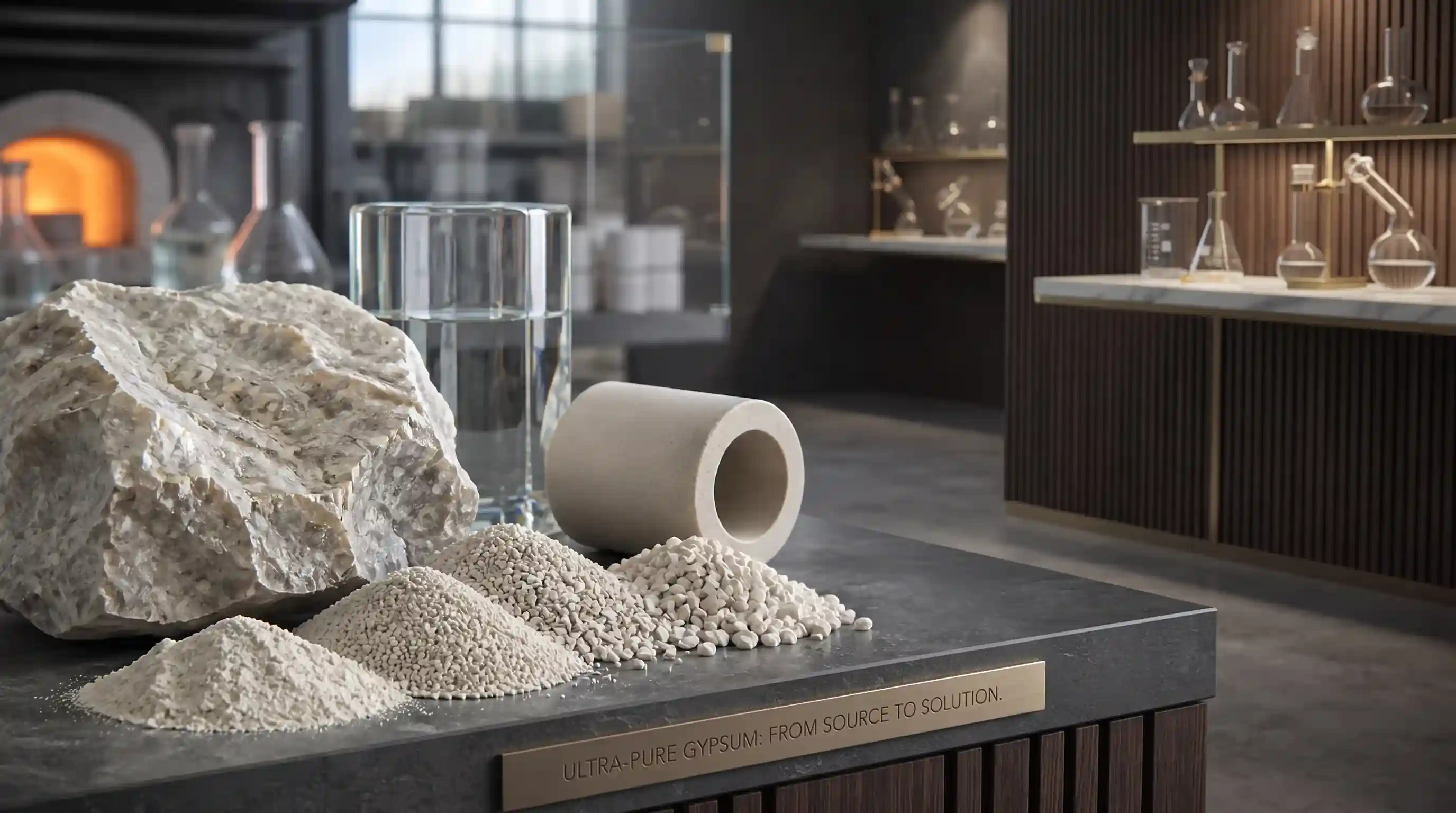
The physical characteristics of this material include suitable density, white to grayish color, and low reactivity with other formulation components. The use of dolomite within the 10 to 40 mesh range in industrial processes requiring specific and controlled granulation is recognized as a standard and reliable raw material, supplied and distributed by the Kani Sang Amiran Project.

The Role of Fillers in Paint Formulation and Surface Coatings
Fillers constitute a major portion of the volume of liquid and powder paints. These materials not only function as economical bulking agents but also enhance the mechanical properties of the paint film, such as abrasion resistance, adhesion, and hardness. The correct choice of filler has a direct impact on the viscosity, settling, and flow properties of the paint.
In the formulation process, the balance among resin, pigment, and filler is critical. Minerals such as dolomite contribute to the uniformity of the paint structure due to their high purity and proper particle size distribution. The principled use of these materials helps optimize the consumption of expensive resins while maintaining coating performance.
An examination of various surface modification techniques and the use of coated additives also demonstrates how the performance of fillers can be upgraded. For instance, studying the Comprehensive Guide to Using Coated Calcium Carbonate in Paint Making offers advanced solutions for improving the compatibility of fillers with various polymer matrices, which has widespread application in optimizing coating systems.
Technical Features and Mesh Specifications of Dolomite in the Mineral Industry
The granulation and particle size of minerals are among the primary parameters in determining their application. The dolomite product offered by the Kani Sang Amiran Project features a mesh range of 10 to 40 mesh. This granulation range is very suitable and practical for applications requiring coarser particles and a jagged or granular structure.
The 10 to 40 mesh range means that particles pass through screens of specified dimensions, exerting precise control over particle size distribution. This technical specification ensures that the purchased mineral has high uniformity and does not suffer from performance fluctuations in industrial processes.
Furthermore, the precise processing of dolomite is free from harmful impurities such as excess clay or heavy iron oxides. This feature ensures that the white color and natural luster of the mineral are preserved, allowing it to be used with maximum efficiency in purity- and color-sensitive industries such as glassmaking, ceramics, and building materials.
Main Applications of Dolomite in Glass, Ceramics, and Building Materials
Although the primary discussion revolves around the paint industry, understanding other major applications of dolomite in glass, ceramic products, and building materials helps in better comprehending the economic and technical value of this substance. In the glassmaking industry, the magnesium present in this compound significantly helps reduce furnace melting temperatures and increase the chemical stability of the glass.
In the ceramic industry, this mineral acts as a thermal flux and glaze stabilizer, playing a role in improving the mechanical and appearance properties of tiles and ceramics. Additionally, in the building materials sector, the presence of this material in mortars, specialized concretes, and architectural plasters increases compressive strength and structural durability.
Mineral producers such as the Kani Sang Amiran Project, by standard processing of dolomite within the 10 to 40 mesh range, best cover the needs of various industries including modern construction materials, bringing consistent quality to downstream industries.
Economic and Technical Benefits of Replacing Traditional Fillers with Dolomite
Production managers and formulating engineers constantly seek solutions to reduce final production costs without sacrificing quality. The use of dolomite as a cost-effective mineral filler allows for the economic optimization of formulations without compromising quality standards.
From a technical standpoint, high chemical stability, resistance to atmospheric conditions, and lower shrinkage during drying are prominent advantages of this mineral. These features extend the lifespan of architectural and industrial coatings, minimizing the need for restoration and repainting.
The sustainable supply and uniform quality of dolomite supplied by the Kani Sang Amiran Project ensure that industrial production lines continue operating without interruption and at maximum efficiency, with the final product satisfying customer expectations.
Guide to Selecting and Purchasing Standard Dolomite for Various Industries
Selecting the appropriate mineral requires a careful review of technical specifications, chemical analysis, and granulation. When purchasing dolomite for specific applications such as glass, ceramics, and building materials, special attention must be paid to items such as the percentage purity of calcium and magnesium carbonates, moisture content, and the mesh range.
The 10 to 40 mesh range considered for this product meets the needs of diverse industries. Consulting with technical experts and closely reviewing the technical data sheet can prevent costly mistakes on production lines and yield the best results.
By providing transparent information and easy access to the dolomite product introduction page, the Kani Sang Amiran Project has paved the way for industrialists to select and purchase with confidence, securing their required raw materials.
Conclusion and Future Outlook of Using Dolomite in Industry
With the continuous advancement of paint, ceramic, and building material manufacturing technologies, the demand for high-quality, standard minerals is felt more than ever. The mineral dolomite, due to its unique physical and chemical properties, has cemented its position as a key filler and raw material across various industries.
Investing in precise processing and continuous quality control of minerals builds a bright future for national production. Collaborating with reputable suppliers such as the Kani Sang Amiran Project guarantees sustainable access to premium raw materials.
Ultimately, the optimal use of dolomite alongside other functional minerals paves the way for producing more durable, economical, and globally compliant products, playing a significant role in the sustainable development of industry.

| Question |
Answer |
| What is dolomite? |
It is a double carbonate of calcium and magnesium used in glass, ceramics, and building materials. |
| What is the mesh range of the supplied dolomite? |
This product is supplied in the 10 to 40 mesh range. |
| What are the main applications of dolomite? |
Glass, ceramic products, and building materials. |
| Which group is the supplier of this product? |
Kani Sang Amiran Project. |
| Is dolomite also used in the paint industry? |
Yes, it is used as an efficient mineral filler in related industries. |
| Why is dolomite used in glassmaking? |
Because the magnesium it contains lowers furnace melting temperatures and increases glass stability. |
| What is the role of dolomite in ceramics? |
It acts as a thermal flux and glaze stabilizer. |
| What is the advantage of using dolomite in building materials? |
Increasing compressive strength and structural durability in mortars and concrete. |
| How can this product be obtained? |
Through the product page on the Kani Sang Amiran website. |
| What is the hardness range of dolomite? |
The hardness of this mineral is between 3.5 and 4 on the Mohs scale. |
Kani Sang Amiran Project - Specialized Reference for Mineral Supply and Processing
:: برچسبها:
Dolomite ,
The Impact of Using Micronized Dolomite in the Paint Industry ,
:: بازدید از این مطلب : 0
|
امتیاز مطلب : 0
|
تعداد امتیازدهندگان : 0
|
مجموع امتیاز : 0


 عضو شوید
 عضویت سریع
 آمار مطالب
 آمار بازدید


