The Impact of White Talc on Improving the Electrical Properties of Insulators
Introduction to the Role of Minerals in Electrical Insulation Industries
The electrical and electronics industries are constantly seeking advanced materials that can maximize the dielectric and insulation properties of equipment while maintaining physical stability. In this regard, choosing appropriate mineral fillers plays a decisive role in the final product quality. The use of micronized mineral powders as fillers in the structure of polymers, compounds, and paints has created a remarkable transformation. Among all available options, white talc has found a special place due to its unique layered structure and high purity. With its specific characteristics, this mineral can act as a powerful enhancer in various industries, including the production of insulators.
Examining the physical and chemical properties of this material shows that its presence in polymer and composite matrices can strongly and positively influence electrical properties. On the other hand, familiarizing oneself with reviewing the technical benefits of using micronized white talc helps engineers make more accurate choices in their product formulations. By reducing moisture absorption and increasing surface and volume electrical resistance, this material improves the performance of components under harsh environmental conditions. Also, in many engineering applications, including the application of industrial barite in the production of sound and thermal insulators, the combination and synergy among various minerals can elevate the overall efficiency of insulation systems to the highest possible level.
The Amiran Rock Mineral Project, through the specialized supply of this high-quality mineral, provides a suitable foundation for manufacturing industries to optimize their processes with complete confidence. This material is recognized as a strategic additive in x x x industries and other related fields, and design engineers can rely on its standards to produce electrical insulators with long lifespans and negligible energy losses.
Introduction to the Structure and Physical Properties of White Talc
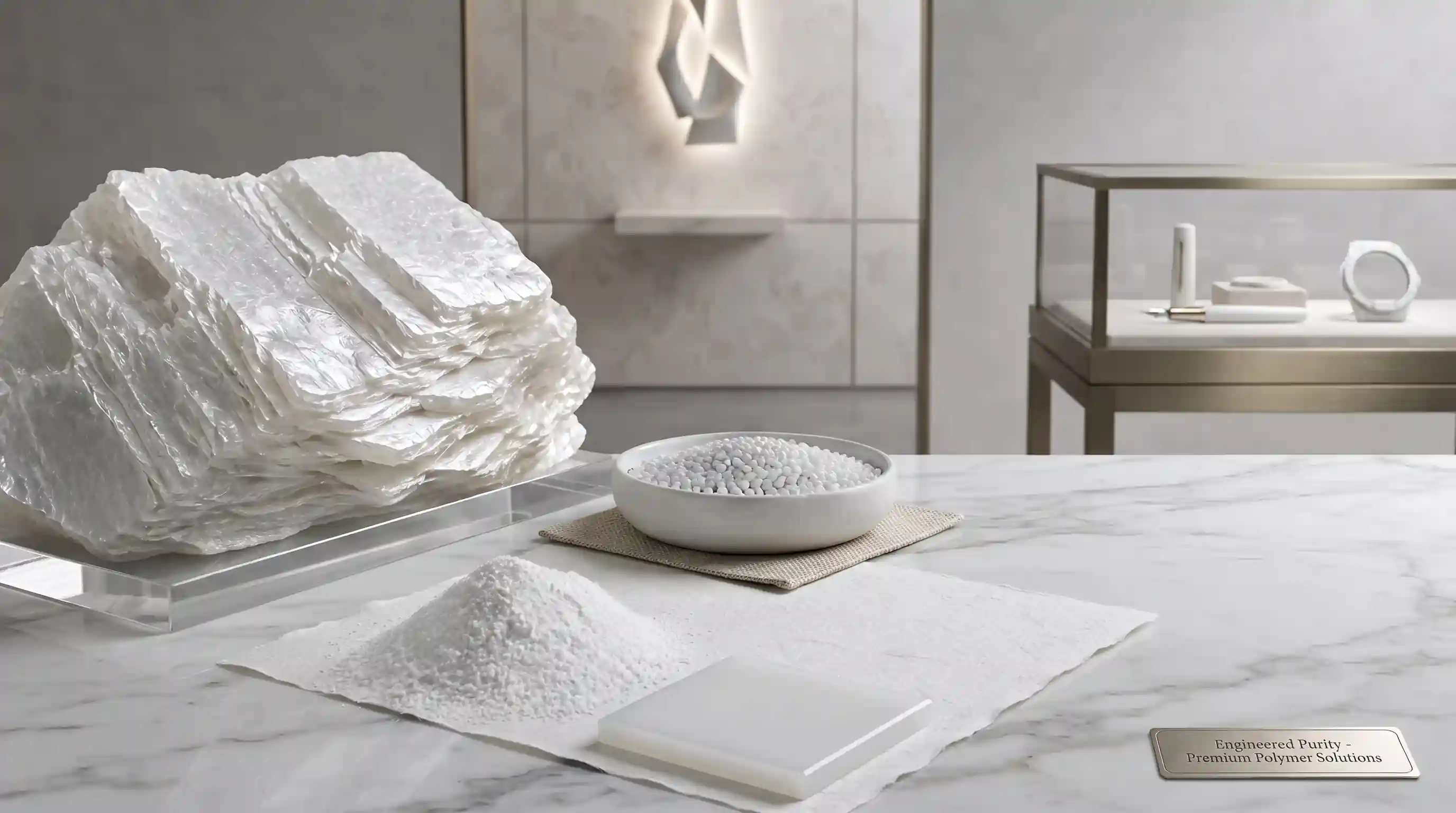
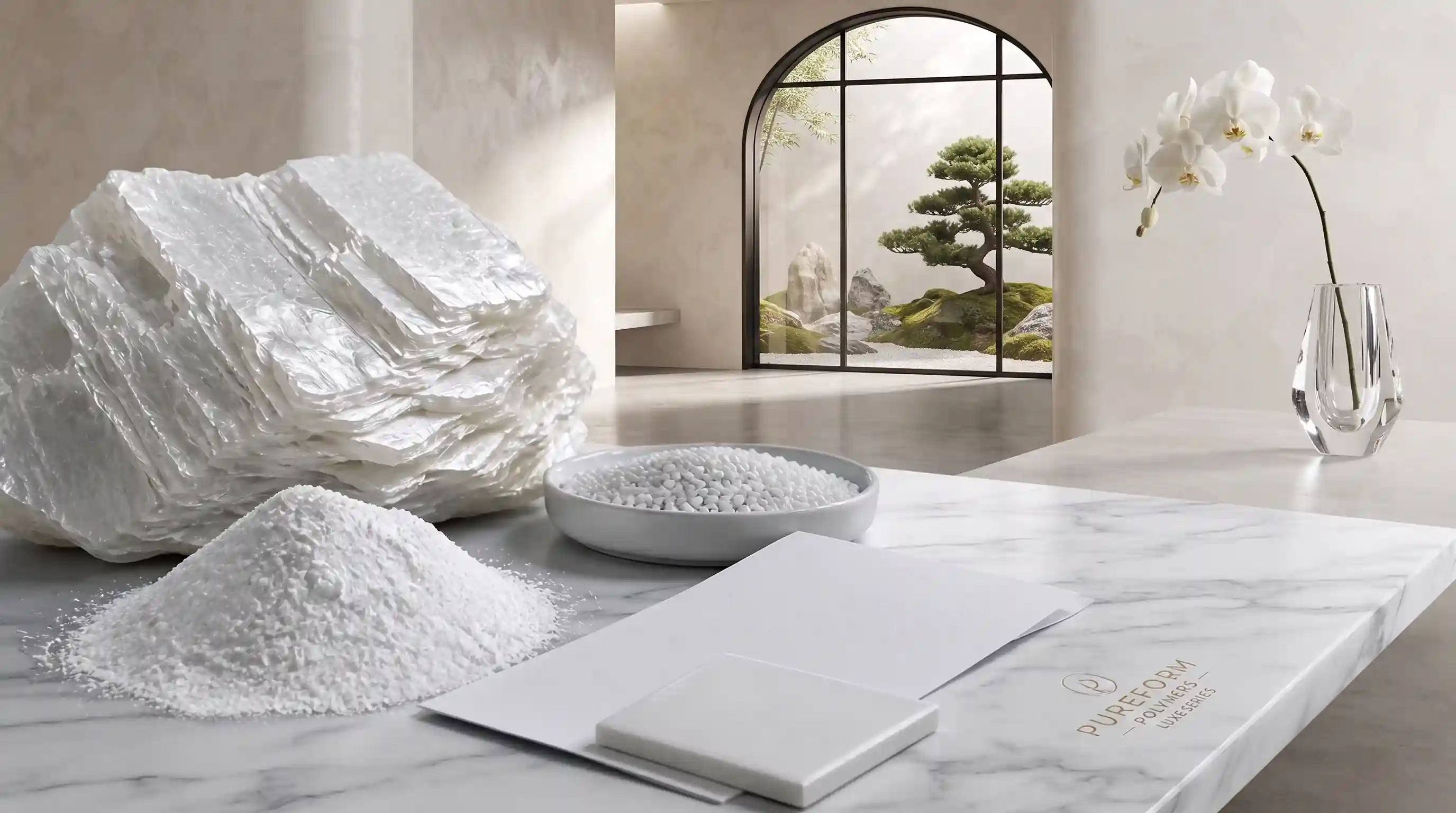
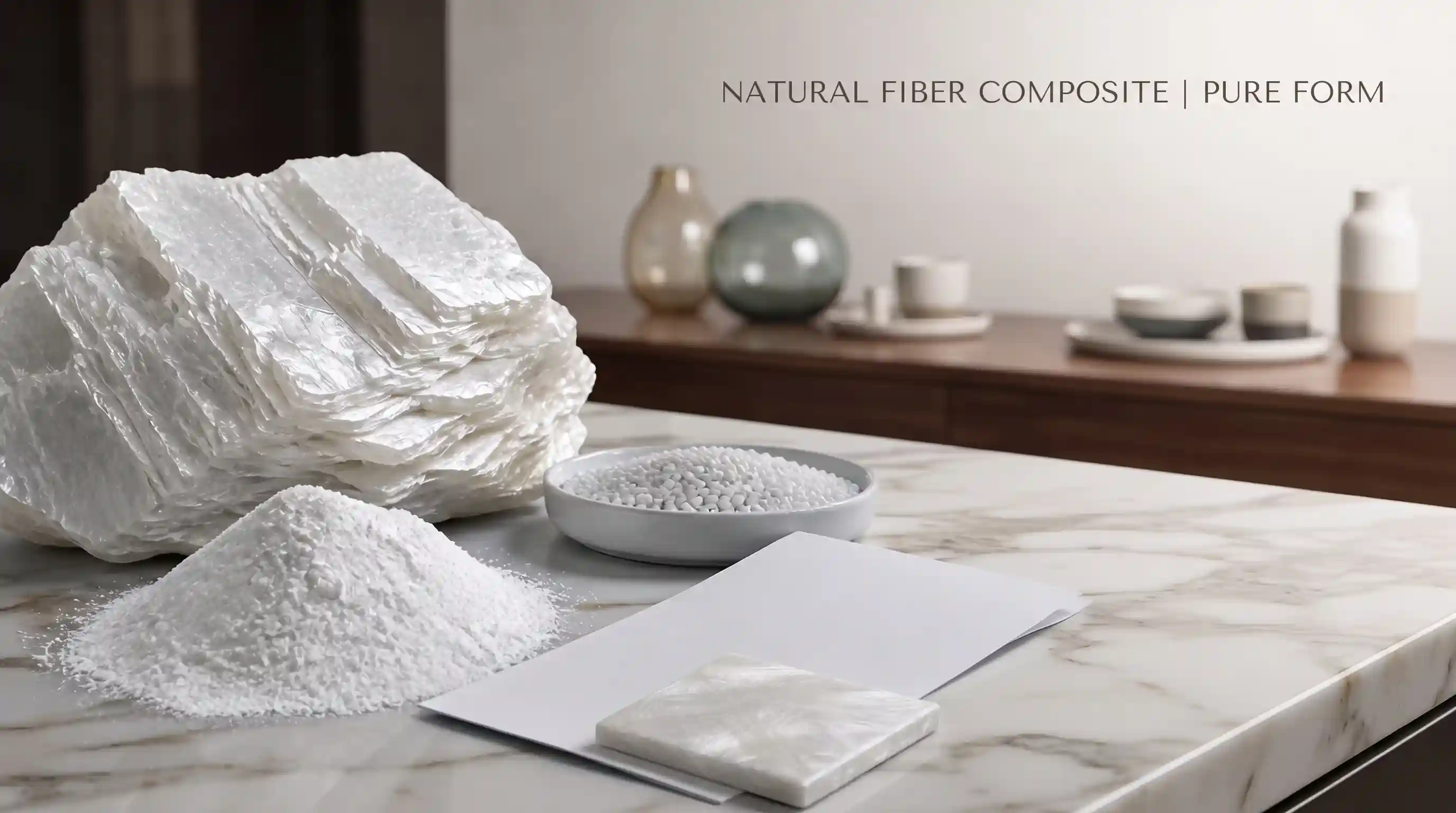
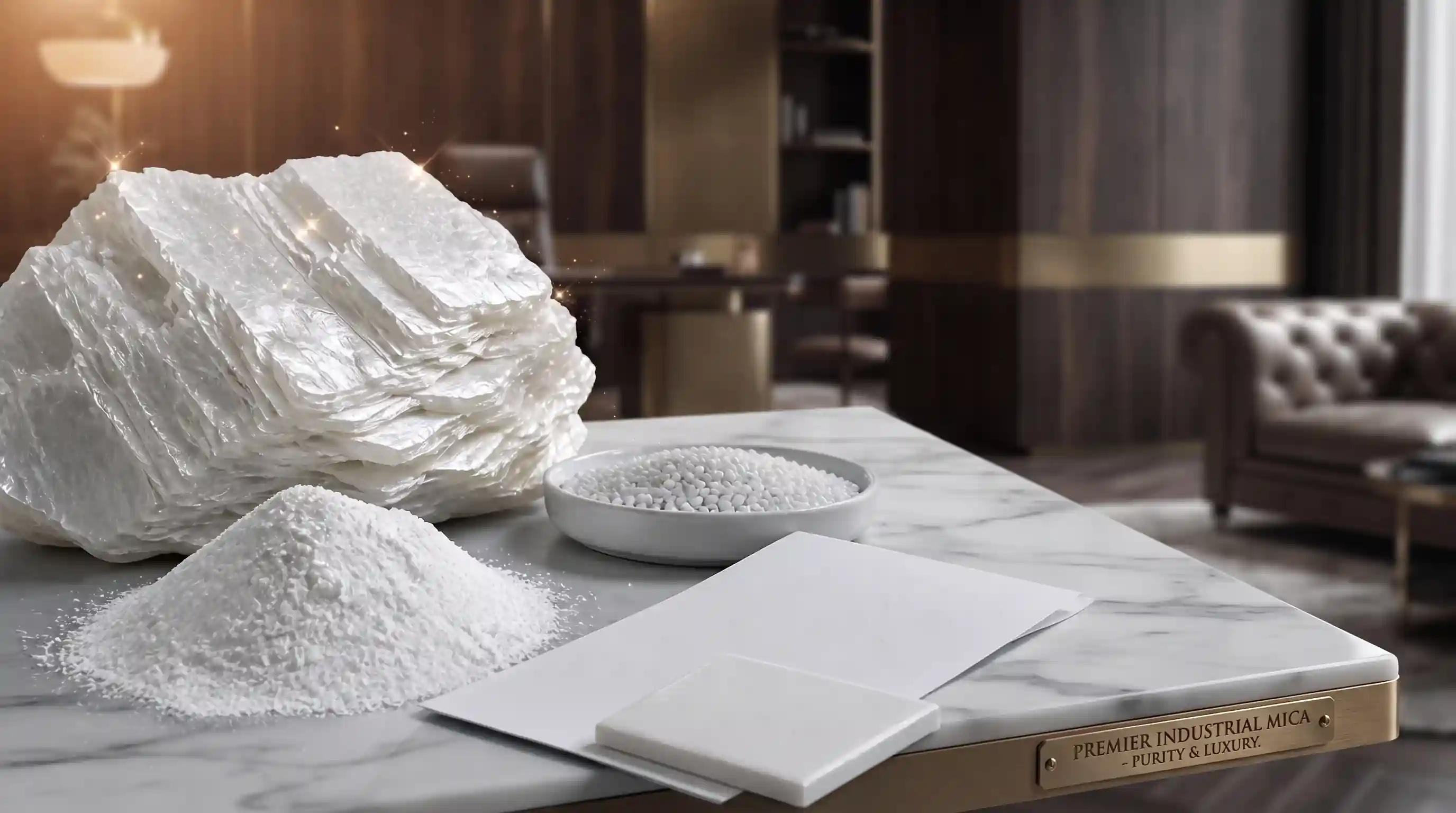
The crystalline and physical structure of white talc is the most important factor in determining its quality and efficiency across various industries. This material forms as flaky, sheet-like crystals, and this very layered structure allows particles to slide easily over one another. This feature not only affects the mechanical and rheological properties of compounds but also plays a key role in improving the electrical behavior of insulators. The thin layers of this material prevent the penetration of ions and moisture into the insulation structure, which in turn guarantees dielectric stability.
The mesh range of this material varies widely from 450 to 2,500 mesh, allowing industrialists to use coarser or extremely fine particles depending on the exact needs of their formulation. Finer particles with high mesh provide exceptional surface coverage and minimize the void space between polymer molecules. This structural density is the primary factor in preventing the creation of unwanted conductive paths in electrical insulators. Alongside this material, other minerals are also utilized; for instance, in materials engineering discussions, examining the role of white barite in improving the mechanical properties of composites demonstrates the great achievements that result from the intelligent combination of fillers.
The Amiran Rock Mineral Project, through the precise processing of this valuable mineral, supplies it in standard granulations required by various industries. The high purity of this mineral guarantees that no conductive impurities such as heavy metals or soluble ionic compounds are present in the insulation structure, a matter that is vital and non-negotiable for maintaining the electrical resistance of insulators.
Mechanism of Action of White Talc on the Dielectric Properties of Insulators
The dielectric properties of electrical insulators are directly related to the type and amount of fillers used in them. When white talc is added as a mineral filler to polymers or compounds, due to its inherent insulating property, it prevents the free movement of electrons and ions throughout the matrix. This phenomenon leads to a decrease in the dielectric dissipation factor and an increase in the volume and surface electrical resistance of the insulator. Simply put, the presence of this material's layered structure makes the path of leakage current flow longer and more difficult.
Furthermore, the uniform distribution of the particles of this material within the polymer bed prevents the concentration of electrical stresses at any specific point. This feature prevents destructive phenomena such as partial discharge or premature electrical breakdown at high voltages. Experts and engineers in the electrical industry are always looking for solutions to increase the reliability coefficient of equipment, and using this micronized mineral is considered one of the most effective solutions in this field. To obtain this high-quality product and view more details, you can visit the dedicated white talc page to acquire comprehensive information.
Focusing on processing quality, the Amiran Rock Mineral Project offers a product to the market that has the highest homogeneity with various insulating resins and polymers. This high homogeneity ensures that the dielectric properties of the insulator are uniformly maintained across the entire volume of the component, preventing localized weak points.
The Role of White Talc in Masterbatch and Compounding Industries
Masterbatch and compounding industries are among the largest consumers of micronized minerals. In these industries, the primary goal is to improve the mechanical, thermal, and electrical characteristics of engineering masterbatches. The use of white talc in the formulation of polymer compounds leads to an increase in the modulus of elasticity, dimensional stability, and the enhancement of the electrical insulation properties of manufactured parts. As an efficiency improver, this material allows manufacturers to offer lighter products with extremely high performance.
The mesh range of 450 to 2,500 allows formulators to select the best granulation based on the type of extruder and injection machinery. The micronized particles disperse well within the polymer matrix and prevent the formation of microscopic clumps that could serve as dielectric weak points. This feature is of vital importance especially in the production of cable sheathing, electrical connectors, and electrical equipment enclosures. Compounds containing this mineral exhibit extraordinary resistance to tracking currents and sudden electrical loads.
By continuously supplying high-quality raw materials, the Amiran Rock Mineral Project has met the needs of major masterbatch and compound manufacturers in the best possible way. Cooperating with this collection helps production units elevate the quality standards of their final products to the level of international markets and offer safer products to the market.
Applications of White Talc in Paint, Paper, and Ceramic Industries
Beyond the electrical and compounding industries, white talc has widespread applications in paint manufacturing, paper production, and ceramic products. In the paint industry, this material acts as a functional filler pigment while helping to improve the protective and anti-corrosion properties of insulating paints. The micronized flakes of this mineral in the paint layer create an impenetrable barrier against moisture and atmospheric agents, which prevents the rusting of metal surfaces and the loss of electrical insulation properties of bodies.
In the paper industry, this material is used as a filler and an enhancer of surface smoothness, brightness, and opacity, while also controlling the paper's resistance to static electricity passage. Additionally, in the ceramic industry, the presence of this material in the body and glaze of ceramic products significantly helps reduce the coefficient of thermal expansion, increase mechanical strength, and improve the dielectric properties of electrical ceramic components. Uniform coverage and high chemical purity are prominent characteristics of this material in the mentioned industries.
Utilizing modern processing equipment, the Amiran Rock Mineral Project supplies this material with precise technical specifications for the paint, paper, and ceramic industries. The uniform quality of this product enables reputable domestic manufacturers to use it with complete peace of mind in their continuous production lines and achieve high-quality outputs.
Improving Thermal and Mechanical Stability of Insulators with White Talc
In addition to withstanding voltage loads, electrical insulators are often exposed to severe mechanical and thermal stresses. The use of white talc in the structure of these insulators increases the thermal resistance of the component due to its low coefficient of thermal expansion and exceptional structural stability. This material prevents physical deformation or the degradation of insulation properties when equipment temperatures rise due to current flow, and the dimensional stability of the product is maintained at the highest level.
From a mechanical perspective, the flake-like structure of this mineral's particles also improves resistance to impact and compressive stresses in insulating composites. This is especially important in components subjected to vibration or continuous mechanical loads, as it prevents the formation of micro-cracks that could serve as pathways for moisture penetration and dielectric property loss. The combination of these thermal and mechanical characteristics significantly increases the durability and lifespan of electrical equipment.
By offering precise granulations in the 450 to 2,500 mesh range, the Amiran Rock Mineral Project enables engineers to implement the most optimal thermal and mechanical combination for industrial insulators. As a reliable option, this product guarantees the long-term stability of electrical infrastructures.

The Impact of Purity and Particle Size Distribution on Insulation Efficiency
One of the most critical parameters in selecting mineral fillers for sensitive electrical industries is their level of chemical purity and particle size distribution. The presence of metallic impurities or soluble salts in filler powders can severely reduce the electrical resistance of the insulator and lead to short circuits or dangerous leakage currents. With high mineral purity, white talc has the lowest amount of conductive impurities, making it an ideal option for sensitive voltage applications.
Particle size distribution (PSD) also plays a decisive role in how particles arrange themselves within the insulation matrix. The use of the 450 to 2,500 mesh range by the Amiran Rock Mineral Project ensures that particles with appropriate dispersion fill all micro-structural voids. This optimal density brings the overall porosity of the insulator close to zero and completely blocks the permeability of gases and liquids. Consequently, the dielectric efficiency of the insulator will not experience degradation and decay over time.
Expertise and precision in the micronization process of this product ensure that the particle size is strictly controlled and uniform. This allows manufacturers to achieve the highest level of electrical and mechanical performance in their final products through the optimal consumption of this mineral.
Conclusion and Future Prospects of White Talc Application in the Electrical Industry
With the daily advancement of electrical and electronic technologies, the need for advanced insulating materials with high reliability is felt more than ever. Investigations showed that the use of white talc as a multi-purpose mineral filler plays a very effective role in improving the electrical, dielectric, thermal, and mechanical properties of insulators. The unique layered structure, high purity, and the possibility of supply in various meshes (450 to 2,500 mesh) make this material an unrivaled choice in the masterbatch, compound, paint, paper, and ceramic industries.
The future outlook of the insulation industry trends toward a greater use of high-quality processed minerals to maximize the efficiency and safety of electrical equipment while reducing production costs. In this regard, by continuously producing and supplying standard and high-quality products, the Amiran Rock Mineral Project stands alongside the country's industrialists as a reliable partner. The principled utilization of this mineral in modern formulations promises the production of insulators with longer lifespans, lower energy losses, and extraordinary stability under harsh working conditions.
| Question |
Answer |
| What is white talc and what are its applications? |
This material is a high-purity sheet mineral used in masterbatch, compound, paint, paper, and ceramic industries. |
| What is the mesh range of the supplied white talc? |
This product is processed and supplied in a mesh range of 450 to 2,500 mesh tailored to the needs of various industries. |
| How does white talc improve the electrical properties of insulators? |
Due to its layered structure and high purity, this material restricts ion movement and increases the dielectric and volume resistance of the insulator. |
| What is the role of white talc in masterbatch and compound industries? |
It improves the modulus of elasticity, dimensional stability, thermal resistance, and enhances the insulation properties of polymer parts. |
| Is this material resistant to heat? |
Yes, due to its low coefficient of thermal expansion, it drastically increases the thermal and mechanical stability of the insulator. |
| Why is the purity of white talc important in electrical insulators? |
High purity prevents the entry of conductive impurities and avoids drops in electrical resistance and leakage currents. |
| Is white talc also used in the paint and coating industries? |
Yes, it is used as a filler pigment in insulating and anti-corrosion paints to prevent moisture penetration. |
| How do ceramic products benefit from white talc? |
By reducing the coefficient of thermal expansion and improving the dielectric properties of ceramic bodies and glazes. |
| How can one obtain more information about this product? |
You can visit the dedicated white talc page on the Amiran Rock Mineral Project website. |
| How does particle size distribution affect insulation efficiency? |
Uniform particle dispersion in high meshes minimizes porosity and prevents the formation of conductive pathways. |
Amiran Rock Mineral Project — Production of minerals and specialized processing of industrial micronized powders.
:: برچسبها:
White Talc ,
The Impact of White Talc on Improving the Electrical Properties of Insulators ,
:: بازدید از این مطلب : 0
|
امتیاز مطلب : 0
|
تعداد امتیازدهندگان : 0
|
مجموع امتیاز : 0


 عضو شوید
 عضویت سریع
 آمار مطالب
 آمار بازدید


