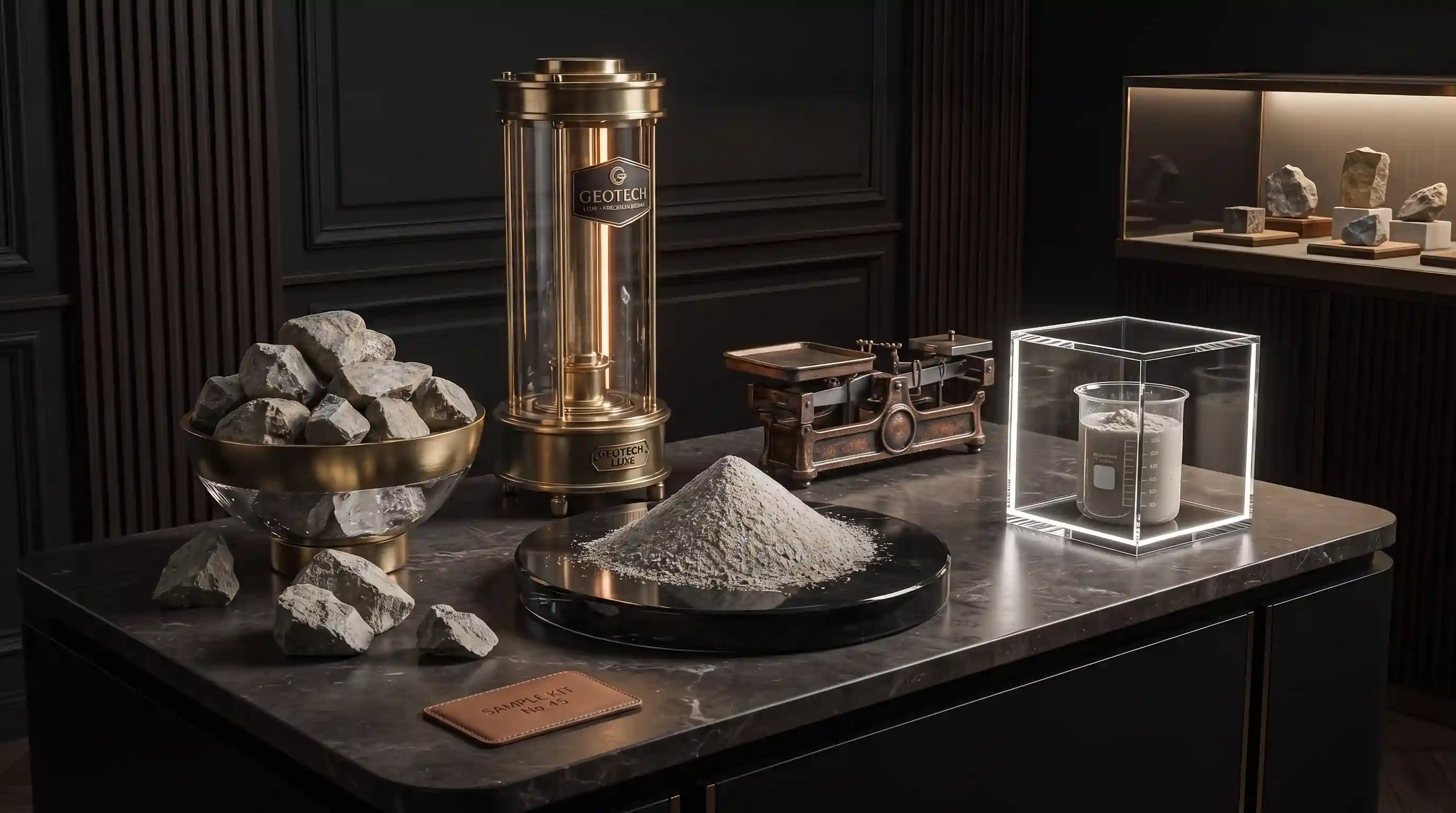
The Role of Industrial Barite in Architectural Paint and Resin Industries
Introduction to Industrial Barite and Its Importance in the Architectural Paint and Resin Industry
The architectural paint and resin industry is one of the dynamic and advanced sectors that constantly seeks high-quality and efficient raw materials to improve the technical and aesthetic features of its products. Among the most widely used fillers and minerals, industrial barite holds a special place as a strategic material. Possessing high density and unique properties, this mineral plays a vital role in the formulation of various architectural paints, helping manufacturers supply higher quality and more sustainable products to the market.
The use of appropriate minerals in paint production, in addition to reducing final costs, significantly helps improve coverage, resistance to weather conditions, and increases the lifespan of the paint. In this article, we comprehensively examine the role of industrial barite in architectural paint and resin industries and analyze the various dimensions of this valuable material's applications. The Amiran Stone Mineral Project, as a mineral producer, supplies high-quality products in this field, the complete specifications of which can be viewed on the industrial barite page.
Furthermore, examining the diversity of minerals in various industries can provide formulation engineers and designers with a comprehensive perspective. For example, studying the topic of exploring the application of dolomite in paint and resin industries also provides valuable information regarding the selection of fillers, which will complement the understanding of barite.
Accurate knowledge of the physical and chemical properties of industrial barite allows paint formulators to achieve the highest quality standards by precisely adjusting the percentage of raw materials. Due to its lack of reactivity with other paint compounds, this material is recognized as a neutral and stable filler that creates no negative impact on the viscosity or shelf stability of the paint.
Physical and Chemical Properties of Industrial Barite in Paint Formulation
Industrial barite, mainly composed of natural barium sulfate, possesses specific physical and chemical characteristics that distinguish it from other mineral fillers. One of the most prominent features of this material is its extremely high density, which is around 4.3 to 4.5 grams per cubic centimeter. This high density has a direct impact on the specific gravity of the paint and its coverage rate, helping to create a uniform and dense layer on surfaces.
Another important feature of industrial barite is its light refractive index, which helps improve the optical properties of the paint. This material also exhibits extraordinary resistance to chemicals, acids, and bases, which increases the durability and stability of architectural paints against corrosive environmental factors. The mesh range extracted and processed for this material is usually between 200–450 mesh, and these particle dimensions are ideal for uniform distribution within the resin matrix.
The particle size distribution in the 200–450 mesh range ensures that barite disperses well in paint and resin systems and prevents phenomena such as hard settling. This feature is of utmost importance for architectural paint manufacturers looking to maintain product stability and long-term shelf life in storage.
In addition to traditional applications, technological advancements have led to the development of novel uses for these materials; including specialized studies in the field of applications of industrial barite in the production of sound and thermal insulation, which reveal new dimensions of this mineral's efficiency and demonstrate its high potential in optimizing energy consumption.
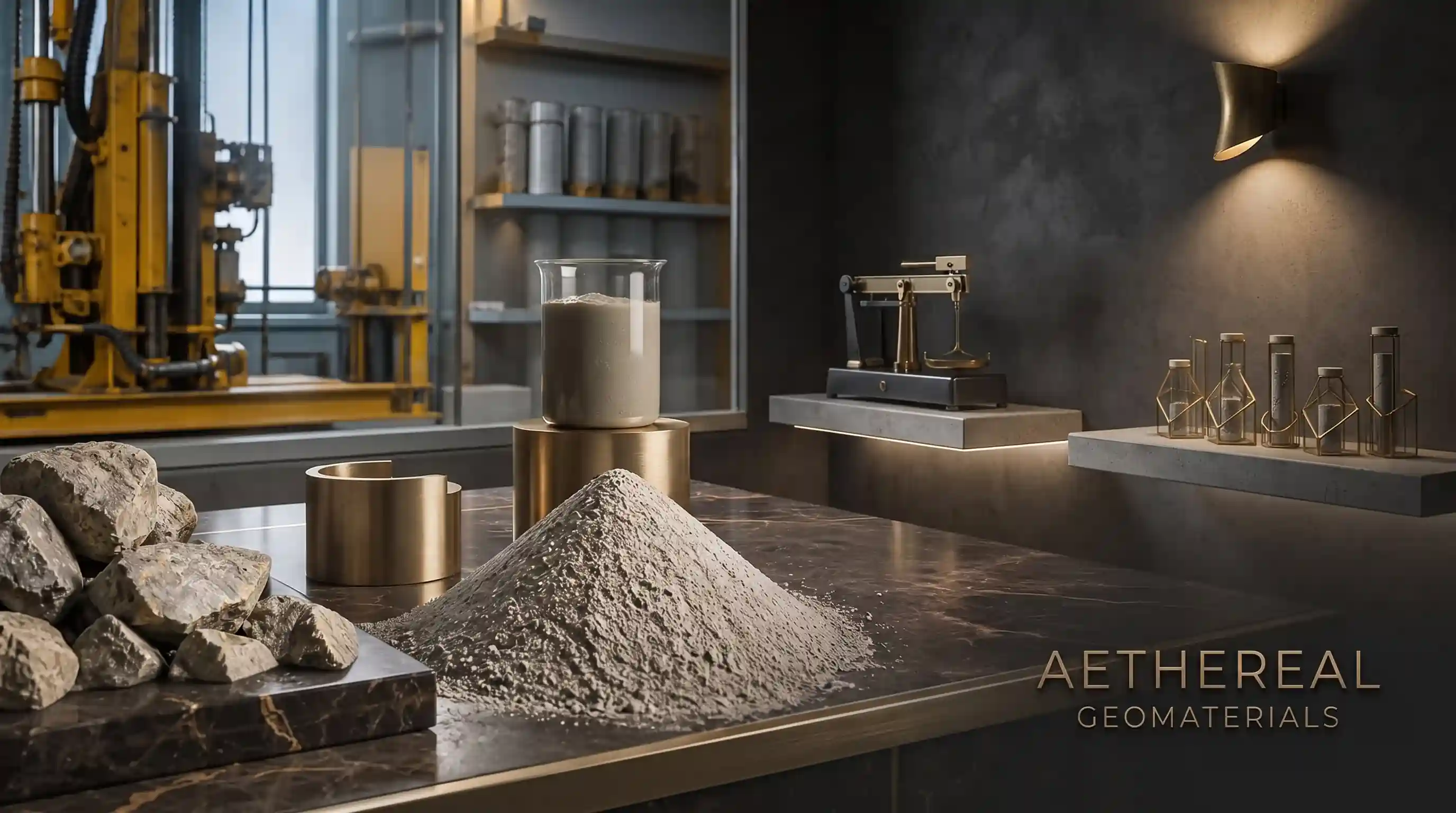
The Role of Industrial Barite in Improving Coverage and Durability of Architectural Paints
One of the main challenges in the paint manufacturing industry is achieving high hiding power with a minimal amount of titanium dioxide consumption (which is an expensive material). Industrial barite, as a high-quality filler, can act to some extent as an extender and help improve formulation efficiency. The proper particle distribution in the 200–450 mesh range ensures that the void space between pigments is well filled, resulting in a more uniform final coating.
The durability and lifespan of architectural paints are also heavily influenced by the mechanical and chemical resistance of the fillers used. With its chemical neutrality, industrial barite prevents resin degradation and exhibits good resistance against sunlight and weather changes. This significantly helps maintain the gloss and original color of walls on both the exterior and interior facades of buildings.
Optimal utilization of this mineral in architectural oil-based, plastic, and acrylic paints reduces the shrinkage of the paint film during drying. This feature prevents cracking and peeling of the paint and ensures the integrity of the paint layer over the long term.
Mineral producers such as the Amiran Stone Mineral Project, through precise processing of barite within the standard mesh range, provide a homogeneous and high-quality product to various industries to elevate the quality standards of architectural paints.
The Effect of the 200–450 Mesh Range on Paint Viscosity and Flowability
Particle size and mesh range are key factors in determining the final quality of architectural paint and resin. Industrial barite with a 200–450 mesh range offers a proper balance between specific surface area of particles and rheological properties. Extremely fine or very coarse particles can cause problems such as excessive viscosity increase or reduced coverage, but the aforementioned range delivers optimal performance.
When industrial barite with a 200–450 mesh range is added to the resin and solvent mixture, it is easily distributed by standard mixing equipment. This allows for precise adjustment of paint viscosity and enables the end user (painter) to easily apply the paint onto the surface using a brush, roller, or spray gun without sagging or dripping occurring.
Precise control of particle size also helps improve the overlapping and leveling properties of the paint. This means that painting tool marks are minimized after the paint dries, creating a completely smooth and polished surface that is highly desirable for residential and commercial spaces.
Specialized production and precise granulation of these products by the Amiran Stone Mineral Project guarantee consistency of quality across all production batches in the paint and resin industries.
Diverse Applications of Industrial Barite Alongside the Paint and Resin Industries
Although industrial barite plays a prominent role in the architectural paint and resin industries, its applications extend far beyond this scope, and it is recognized as a key raw material in various other industries as well. Among the primary applications of this material are its use in drilling fluids, electrodes, rubber products, and plastic products, each of which depends on the specific properties of barite.
In the drilling fluid production industry, barite is used due to its high density to increase the weight of drilling mud and control wellbore pressure. Also, in the rubber and plastics industries, this material is employed as an efficient filler to improve mechanical properties, reduce gas permeability, and optimize production costs. Another application is in the coating of welding electrodes, which facilitates arc stability.
In addition to these minerals, other industrial minerals also have purification and processing applications in various industries; for example, studying the article on the role of bentonite in water and industrial wastewater treatment demonstrates how mineral knowledge can help solve environmental issues.
This breadth of application indicates the high importance of precise mineral processing by reputable suppliers such as the Amiran Stone Mineral Project, which covers the needs of various industries in the best possible way.
Economic and Technical Benefits of Using Industrial Barite in Mass Paint Production
In mass production lines of architectural paints and resins, cost optimization alongside quality preservation is of vital importance. As a cost-effective filler, industrial barite makes it possible to reduce the consumption volume of expensive resins and pigments without sacrificing quality. This allows manufacturers to control the final price of their products in a competitive market.
Technically, the presence of industrial barite in paint formulation improves the abrasion, impact, and scratch resistance of the paint film. This feature is very important for architectural paints subjected to high traffic or frequent cleaning (such as paints in hallways and public spaces).
Furthermore, the favorable thermal stability of barite helps prevent the paint from undergoing destructive contraction or expansion due to temperature fluctuations, enabling it to maintain its adhesion to the substrate (such as plaster, concrete, or cement). This technical advantage prevents premature peeling of the paint.
By continuously and standardly supplying this mineral, the Amiran Stone Mineral Project helps industrial units maintain a stable and reliable supply chain and continue their production without interruptions.
Key Points in Storage, Safety, and Quality Control of Industrial Barite
Proper warehousing management and adherence to safety tips when working with powdery minerals such as industrial barite are essential for preserving worker health and raw material quality. This material must be stored in dry, indoor environments away from moisture to prevent particle caking and maintain its homogeneous distribution during mixing.
In the paint manufacturing process, quality control of raw materials prior to entering the mixer plays a key role in the final product. Inspecting items such as moisture content, particle size distribution within the 200–450 mesh range, and the absence of foreign impurities are among the routine tests performed by the quality control unit.
Observing personal safety measures such as using anti-dust masks and proper ventilation systems in paint and resin production workshops prevents the inhalation of powdery particles and provides a safe working environment. Barite is a non-toxic material, but observing safety principles when working with mineral powders is always mandatory.
Leading manufacturers like the Amiran Stone Mineral Project have optimized the handling and warehousing of industrial barite for consumer industries through standard and hygienic packaging.
Future Outlook and Conclusion on the Role of Industrial Barite in the Paint Industry
With the advancement of modern technologies in the construction industry and the increasing demand for higher quality, environmentally friendly paints with a longer lifespan, the position of high-grade minerals becomes even more prominent. As a stable and proven filler, industrial barite will remain an inseparable part of advanced paint and resin formulations.
The development of novel processing methods and achieving more precise granulations within the 200–450 mesh range have enhanced the efficiency of this material and enabled the production of paints with better mechanical and optical properties. Close cooperation between mineral producers and paint formulators is the key to developing next-generation products in the construction market.
Ultimately, choosing a reputable supplier for industrial barite guarantees the stable quality of final products. With years of experience in mineral production, the Amiran Stone Mineral Project is ready to supply the needs of the paint, resin, rubber, plastic, and drilling fluid industries with the highest quality standards.
We hope this article has provided you with a comprehensive perspective on the importance and applications of industrial barite in the architectural paint and resin industries and serves as a useful guide for optimizing your industrial formulations.
| Question |
Answer |
| What is industrial barite? |
It is a natural mineral composed of high-density barium sulfate that has numerous applications in the paint, resin, rubber, and plastic industries. |
| What is the mesh range of the supplied industrial barite? |
The mesh range of this product is usually between 200 and 450 mesh. |
| What are the main applications of industrial barite? |
Drilling fluids, electrodes, rubber products, plastic products, and architectural paints and resins. |
| Why is barite used in architectural paints? |
To improve coverage, increase density, enhance mechanical resistance, and provide stability against weather conditions. |
| What is the role of barite in paint viscosity? |
With proper particle distribution in the 200–450 mesh range, it helps adjust viscosity and achieve desirable paint flowability. |
| Does industrial barite react chemically with resin? |
No, barite is a completely neutral and stable material and does not react with other paint compounds. |
| How can high-quality industrial barite be procured? |
Through reputable mineral suppliers such as the Amiran Stone Mineral Project. |
| What are the storage and warehousing conditions for barite? |
It should be stored in a dry, indoor environment away from moisture to prevent caking. |
| Does barite help reduce paint production costs? |
Yes, as a high-quality and cost-effective filler, it helps optimize formulation costs. |
| What safety precautions should be observed when working with barite? |
Using anti-dust masks and proper ventilation in the workplace to prevent powder inhalation. |
Amiran Stone Mineral Project — Reference for Production and Supply of Industrial Minerals (https://ksamiran.ir/products/industrial-barite/)
:: برچسبها:
Industrial Barite ,
The Role of Industrial Barite in Architectural Paint and Resin Industries ,
:: بازدید از این مطلب : 0
|
امتیاز مطلب : 0
|
تعداد امتیازدهندگان : 0
|
مجموع امتیاز : 0


 عضو شوید
 عضویت سریع
 آمار مطالب
 آمار بازدید


