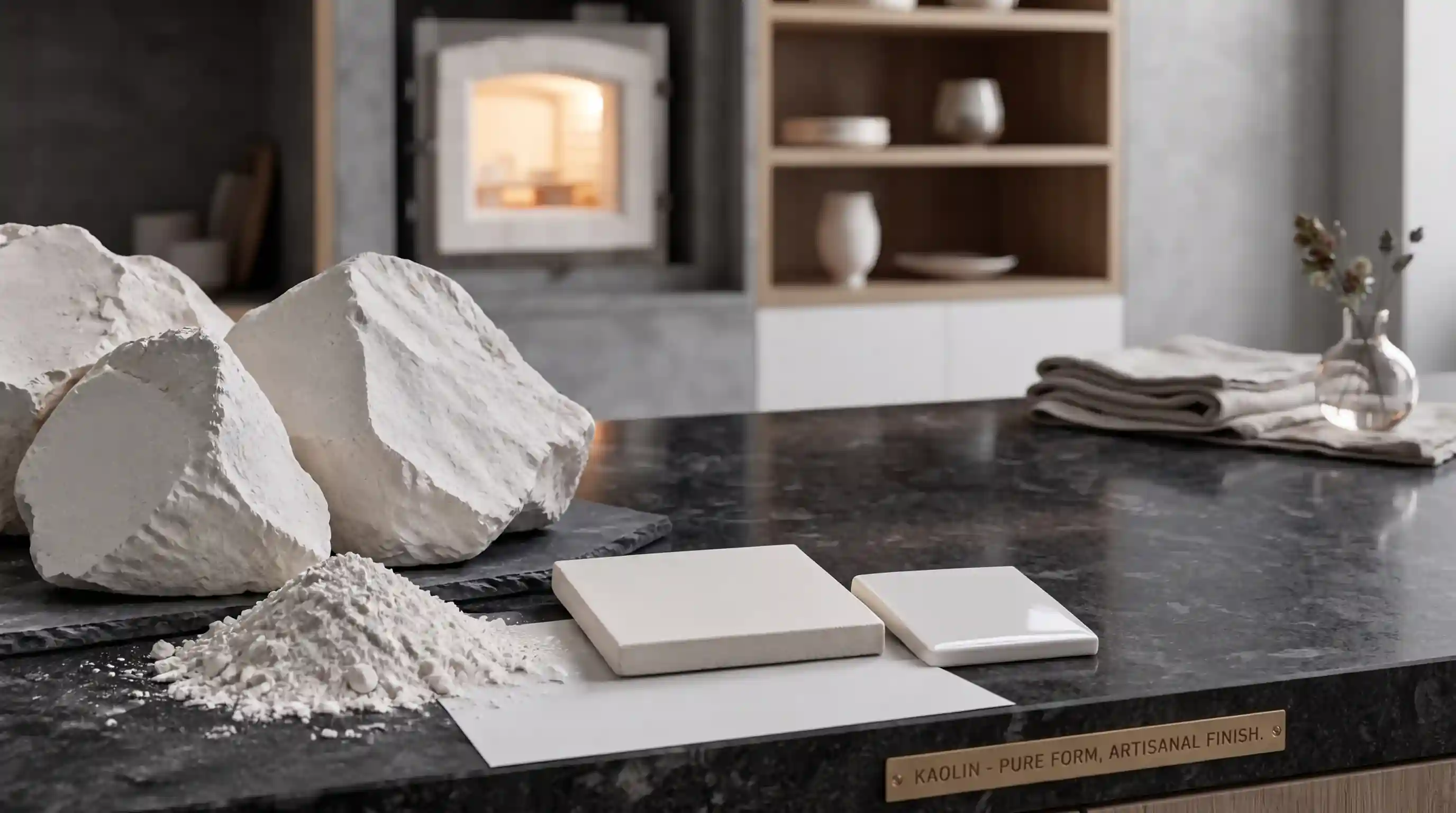
The Role of Kaolin in the Pipe-Making and Concrete Products Industry
Introduction to the Importance of Kaolin in Mineral and Construction Industries
Industrial minerals have always played a key role in the development and advancement of construction technologies, the production of advanced building materials, and the improvement of the quality of final products. Among these materials, kaolin, as a hydrated aluminum silicate with a sheet-like structure and unique physical and chemical characteristics, holds a special place. This valuable mineral, also known as China clay, is utilized in various industries including tile, ceramic, glaze, paper, and paint production due to its white color, favorable thermal stability, and excellent rheological properties. A precise understanding of the properties of this material can help engineers and manufacturers maximize the efficiency of their processes.
Today's modern industries require raw materials that, in addition to meeting quality standards, possess high economic and technical stability. Featuring a wide range of granulation and mesh sizes, this material has been able to meet the diverse needs of production sectors. An accurate understanding of the geological and functional characteristics of this material is the first step toward the optimal exploitation of its rich reserves in the country, which are supplied and offered by specialized complexes such as the Amiran Rock Mineral Project.
In addition to traditional applications, scientific advancements have shown that the optimization of production processes requires the use of high-purity minerals. For further reading on the added value of this material in industrial sectors, it is suggested to read Review of the Technical Benefits of Using Kaolin in Ceramics to become more familiar with its scientific and practical details.
In the subsequent sections of this article, we will discuss and examine in detail the various dimensions of using this valuable material in manufacturing industries, its technical specifications, mesh size ranges, and its effects on improving the mechanical and aesthetic properties of final products in order to provide a comprehensive picture of this product.
Technical Specifications and Granulation Analysis of Kaolin in Industries
The technical specifications and physical properties of minerals are the primary determinants of their quality and efficiency in industrial production lines. With a precise mesh size range between 450 and 1500 mesh, kaolin is recognized in the market as a high-quality, micronized product. This wide range of granulation allows industrialists to choose the best and most suitable mesh according to the type of final product, whether it be paint, paper, glaze, or ceramic products.
The crystalline structure of this material is such that its particles are arranged in thin layers on top of one another. This morphological feature improves coverage properties, increases controlled viscosity, and ensures a homogeneous distribution of particles within liquid and solid matrices. Precise control of particle size during the micronization process ensures that the final product is free of coarse impurities and provides exceptional surface quality.
Alongside its physical specifications, the chemical stability of this material against environmental factors and heat makes it an ideal choice. Industrial manufacturers always look for reliable suppliers who offer products with precise and stable mesh sizes to access these standard specifications. More complete information regarding the exact specifications of this product can be viewed and examined on the dedicated Kaolin page.
Compliance with granulation standards in various industries, including paint and paper, has a direct impact on the brightness, whiteness, and durability of the product. For this reason, the quality control process throughout all stages of production and mesh sizing of this mineral is of high importance so that the final output always meets strict industrial requirements.
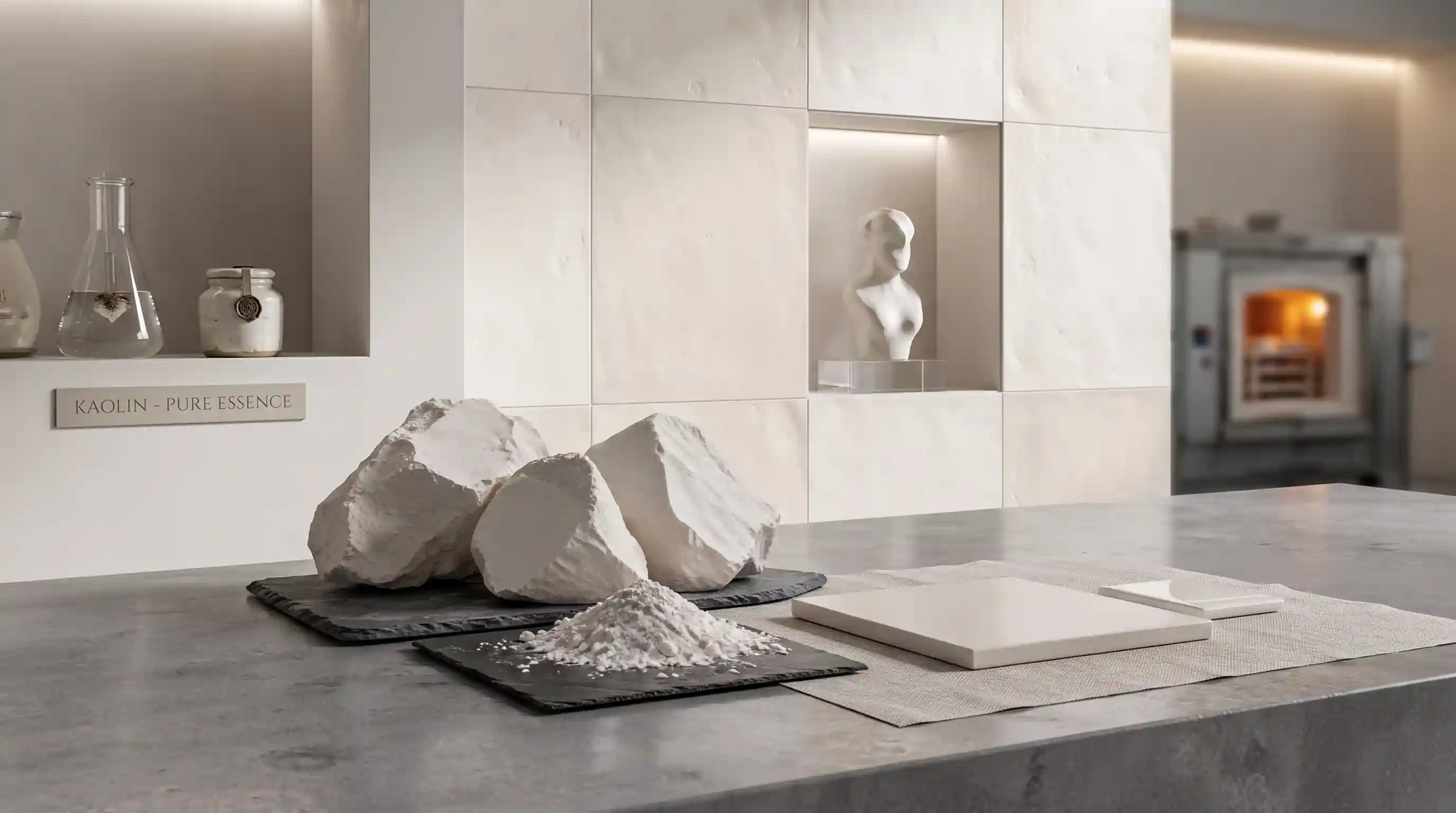
The Role of Kaolin in the Tile and Ceramic Products Industry
The tile and ceramic industry is considered one of the largest consumers of industrial minerals in the world and in Iran. Among them, kaolin plays a decisive role as one of the main components of tile and ceramic body formulations. Due to its suitable plasticity in the wet state and high dimensional stability after firing, this material improves body formability and prevents the deformation of products in firing kilns.
The presence of this material in the ceramic body composition increases the green and fired mechanical strength of the product. Furthermore, its relative fire resistance and high melting point greatly help maintain the structural shape of the tile at very high temperatures. The natural white color of this material is also a major advantage for producing white tiles and high-quality ceramic products that require transparent or colored glazing.
By using appropriate mesh sizes of this material, manufacturers can increase particle packing density in the ceramic body and consequently minimize the water absorption rate of the tile. This significantly increases the durability and lifespan of ceramic products against thermal shocks and environmental factors, elevating product quality standards.
In industrial processes related to the purification and preparation of raw materials, it is sometimes necessary to pay attention to other applicable minerals as well. For example, studying the Role of Bentonite in Water and Industrial Wastewater Treatment can provide a more comprehensive perspective on the mineral supply chain in various industries.
Application of Kaolin in Glaze Formulation and Surface Quality Improvement
Glazing is one of the sensitive and vital stages in the production of ceramic and tile products, serving both aesthetic and protective aspects. kaolin is used in glaze compositions as a suspending agent and a controlled melting agent. This material prevents heavy glaze particles from settling in tanks and provides the appropriate viscosity for uniform application of the glaze onto the body surface.
During glaze firing in the kiln, this material reacts with other oxides and fluxes present in the formula to create a glass-like, smooth, and flawless coating. The whiteness and purity of this material prevent unwanted color changes in white and colored glazes, ensuring the final product's ultimate transparency. Additionally, this material reduces thermal stresses between the glaze and the ceramic body, preventing the occurrence of cracking or crazing.
Precise control of particle size within the 450 to 1500 mesh range is crucial in this application because overly coarse particles can cause roughness and defects on the glaze surface. Using micronized powders of this mineral guarantees a smooth, glossy surface resistant to wear and chemical agents.
By precisely adjusting the percentage of this material in the glaze slip, industrialists can carefully control the thickness of the coating layer and offer a product to the market with the highest quality standards, playing an important role in customer satisfaction and the commercial success of the production unit.
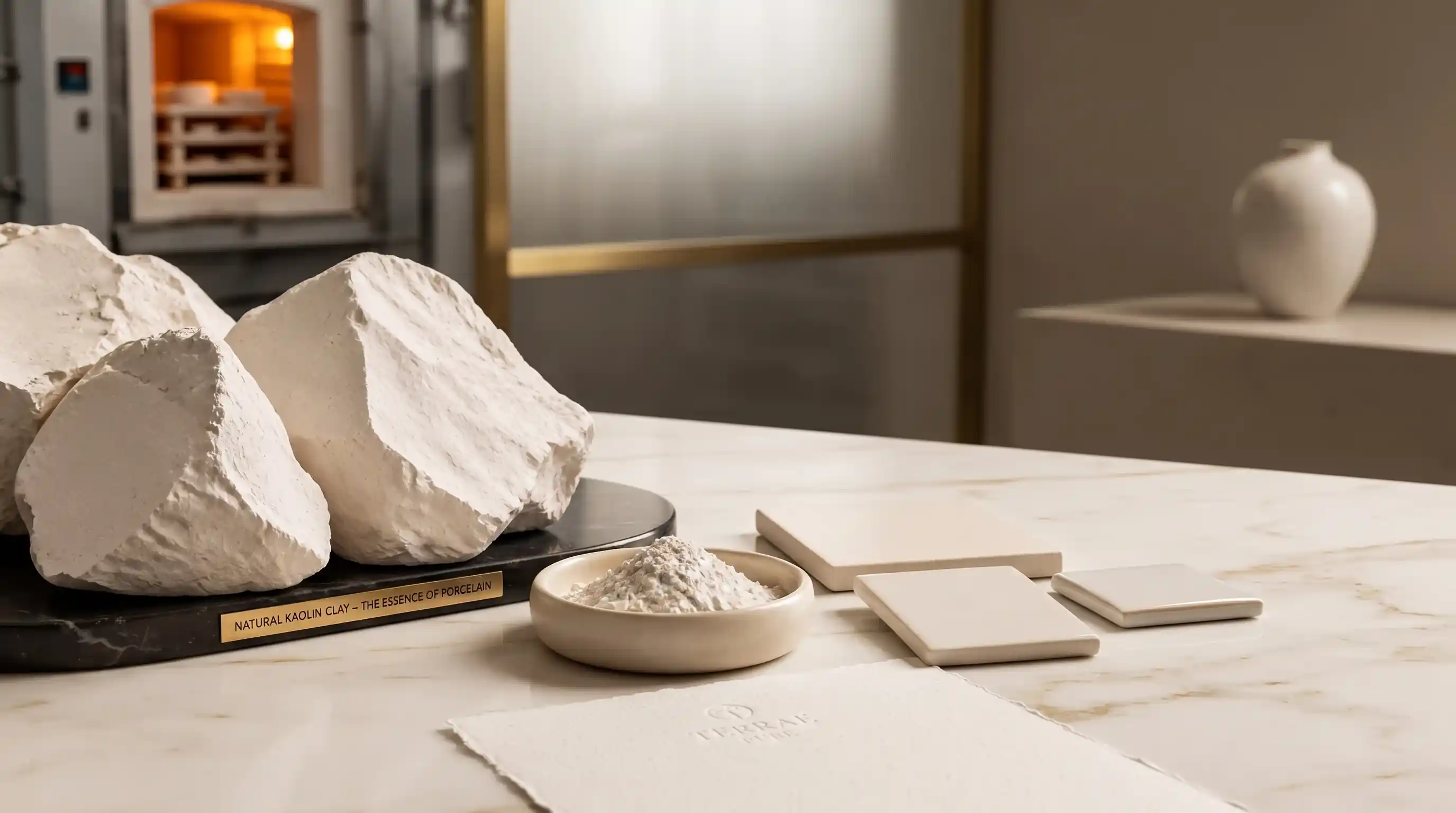
Application of Kaolin in the Paper Industry to Improve Printability and Whiteness
The paper industry is a major consumer of mineral fillers and coating agents. In this industry, kaolin is used as a top-grade filler and coating material to improve the visual and technical characteristics of paper. Adding this material to the paper pulp fills the empty spaces between cellulose fibers, making the paper surface smoother, denser, and more opaque.
One of the most important advantages of using this material in papermaking is the improvement of its printability. A surface coated with this material absorbs ink uniformly and prevents ink bleeding, which results in higher clarity for printed images and texts. Furthermore, the inherent whiteness of this material increases the brightness and luminance of the manufactured paper.
Besides improving print quality, using this mineral as an economic filler reduces the consumption of expensive cellulose fibers and helps optimize production costs. The chemical stability of this material and its neutrality toward the chemicals used in the paper production process prevent yellowing or degradation of the paper structure over the long term.
By carefully selecting appropriate mesh sizes, paper manufacturers achieve an ideal balance between the mechanical strength of the paper and its optical characteristics. As a strategic additive, this material plays a key role in upgrading the quality of various writing papers, coated papers, and packaging boards.
The Role of Kaolin in the Paint Manufacturing and Industrial Coatings Industry
In the paint and resin industry, the selection of pigments and fillers has a direct impact on the durability, coverage, and appearance of the paint. kaolin is used as an extender pigment or functional filler in the formulation of various water-based and oil-based paints. The sheet-like structure of the particles of this material helps improve the covering power of the paint and prevents sagging on vertical surfaces.
Due to its suitable refractive index, this material helps mattify the paint and reduces the need to use excessive amounts of expensive titanium pigments. In addition, its excellent resistance to corrosion, moisture, and ultraviolet rays significantly increases the durability and stability of paint coatings in outdoor spaces and harsh weather conditions.
Other minerals also play a role in improving the physical properties of polymers and related coatings. To learn about the impact of similar minerals in polymer industries, reading the specialized article The Role of White Talc in Improving the Appearance Quality of Polymeric Products is recommended.
Using micronized powders of this material within a specific mesh range brings the paint viscosity to the desired level and improves paint storage by preventing rapid particle settling. These characteristics ensure that paints containing this mineral exhibit high performance and long-lasting durability.
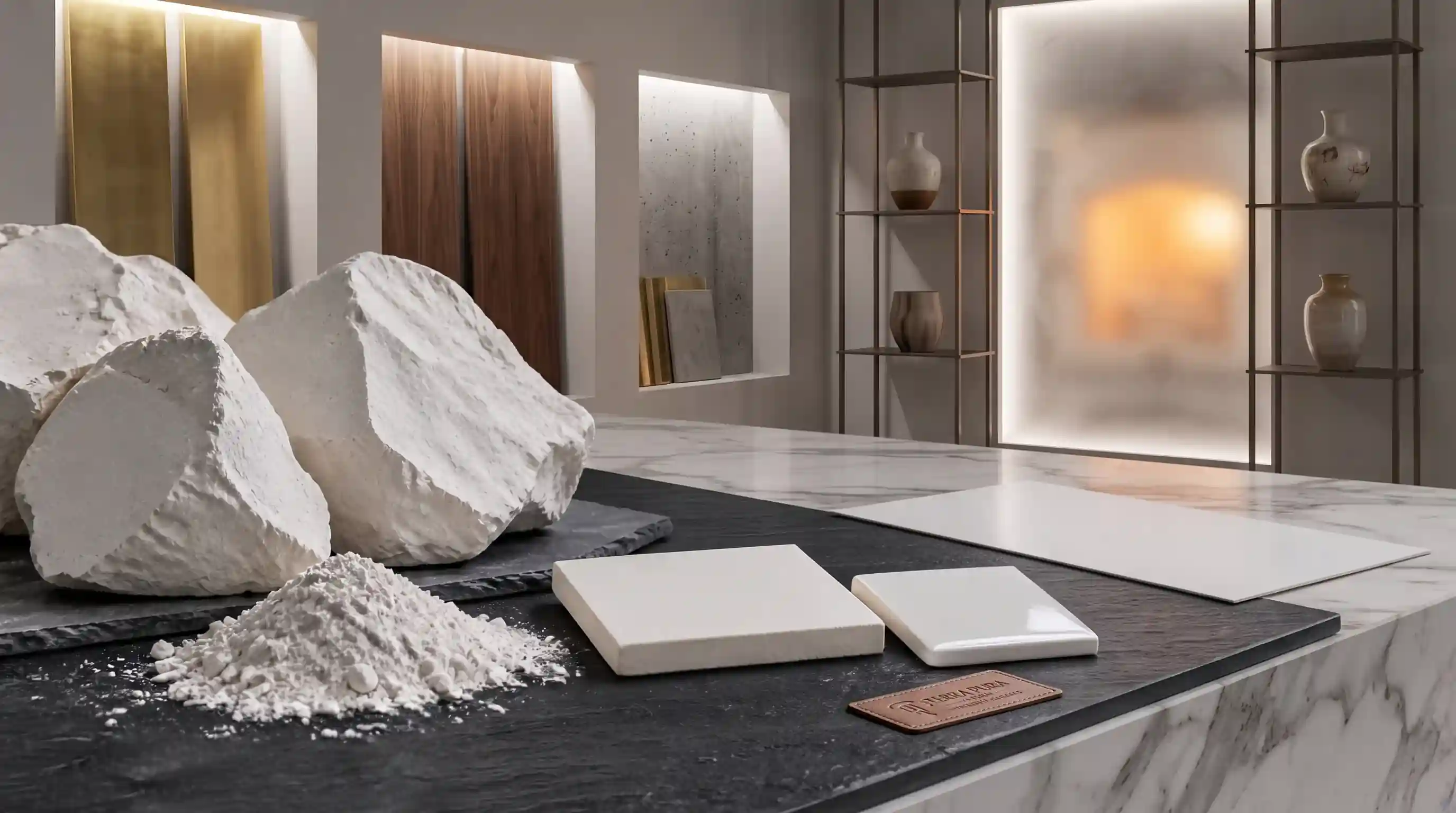
Economic and Process Benefits of Using Micronized Kaolin
In addition to technical benefits, using high-quality mineral raw materials has significant impacts on cost optimization and the economic productivity of production units. With easy access, relative abundance, and an affordable price, kaolin is considered an economical option for replacing or reinforcing other expensive materials in industrial formulations. By improving process properties, this material reduces production waste and increases the efficiency of production lines.
In industrial processes, the uniform distribution of the micronized particles of this material reduces mixing time, improves the flowability of raw materials, and lowers energy consumption in mixers and mills. These process features directly reduce production overhead costs and increase the competitiveness of the final product in the market.
On the other hand, the quality consistency of products utilizing this mineral reduces the rate of returned goods and increases customer trust. By sourcing this material from reliable and standard sources, industrial units ensure the stability of their supply chain and carry out long-term production planning with greater precision.
Ultimately, investing in high-purity minerals with precise mesh sizing is a proven approach for the sustainable development of manufacturing industries, helping companies offer higher-quality products with greater added value to the market.
Conclusion and Future Outlook of Kaolin Application in Mineral Industries
A comprehensive review of the applications of kaolin shows that this valuable mineral goes beyond being a simple filler, playing a vital and structural role in upgrading the quality of various industries including tile, ceramic, glaze, paper, and paint. The unique physical and chemical characteristics of this material, such as high whiteness, thermal stability, sheet-like structure, and a mesh size range between 450 and 1500, have made it an irreplaceable option in materials engineering and industrial production.
With technological advancements and rising quality standards in building and consumer industries, the demand for micronized, high-purity minerals is increasing day by day. To maintain their competitive edge, manufacturers and industrialists need to secure raw materials that possess consistent quality and standard technical specifications. Focusing on the supply and offering of these products, the Amiran Rock Mineral Project constantly strives to meet the needs of industrial sectors in the best possible way.
The future outlook of this material's application indicates that with the development of modern mineral processing technologies, we will witness the emergence of newer and more specialized applications of this material in high-tech industries. Consequently, a deeper understanding of the properties and applications of this mineral will be the key to manufacturer success in today's highly competitive markets.
| Question |
Answer |
| What is kaolin? |
It is a natural hydrated aluminum silicate with a sheet-like structure and white color that is used in various industries. |
| What is the mesh size range of Amiran kaolin? |
This product is offered in a mesh range of 450 to 1500. |
| What are the main applications of kaolin? |
Tile, ceramic products, glaze, paper, and paint industries are the main applications of this material. |
| What is the role of kaolin in the ceramic industry? |
It improves plasticity, increases mechanical strength, and enhances the dimensional stability of the body after firing. |
| Why is kaolin used in glazing? |
It is used as a suspension agent, viscosity improver, and creator of a smooth and transparent surface. |
| What is the advantage of using kaolin in papermaking? |
It improves the whiteness, opacity, and printability of paper. |
| What is the effect of kaolin in the paint manufacturing industry? |
As an extender pigment, it improves paint coverage and increases its durability. |
| How can kaolin be procured? |
It can be ordered through the dedicated product page on the Amiran Rock Mineral website. |
| Does kaolin particle size affect paint quality? |
Yes, micronized particles and precise mesh prevent rapid settling and ensure a uniform paint surface. |
| What is the economic advantage of using this mineral? |
It reduces production costs, improves process efficiency, and serves as an optimal replacement for expensive materials. |
Amiran Rock Mineral Specialized Reference for Mineral and Industrial Materials
:: برچسبها:
Kaolin ,
The Role of Kaolin in the Pipe-Making and Concrete Products Industry ,
:: بازدید از این مطلب : 0
|
امتیاز مطلب : 0
|
تعداد امتیازدهندگان : 0
|
مجموع امتیاز : 0


 عضو شوید
 عضویت سریع
 آمار مطالب
 آمار بازدید


