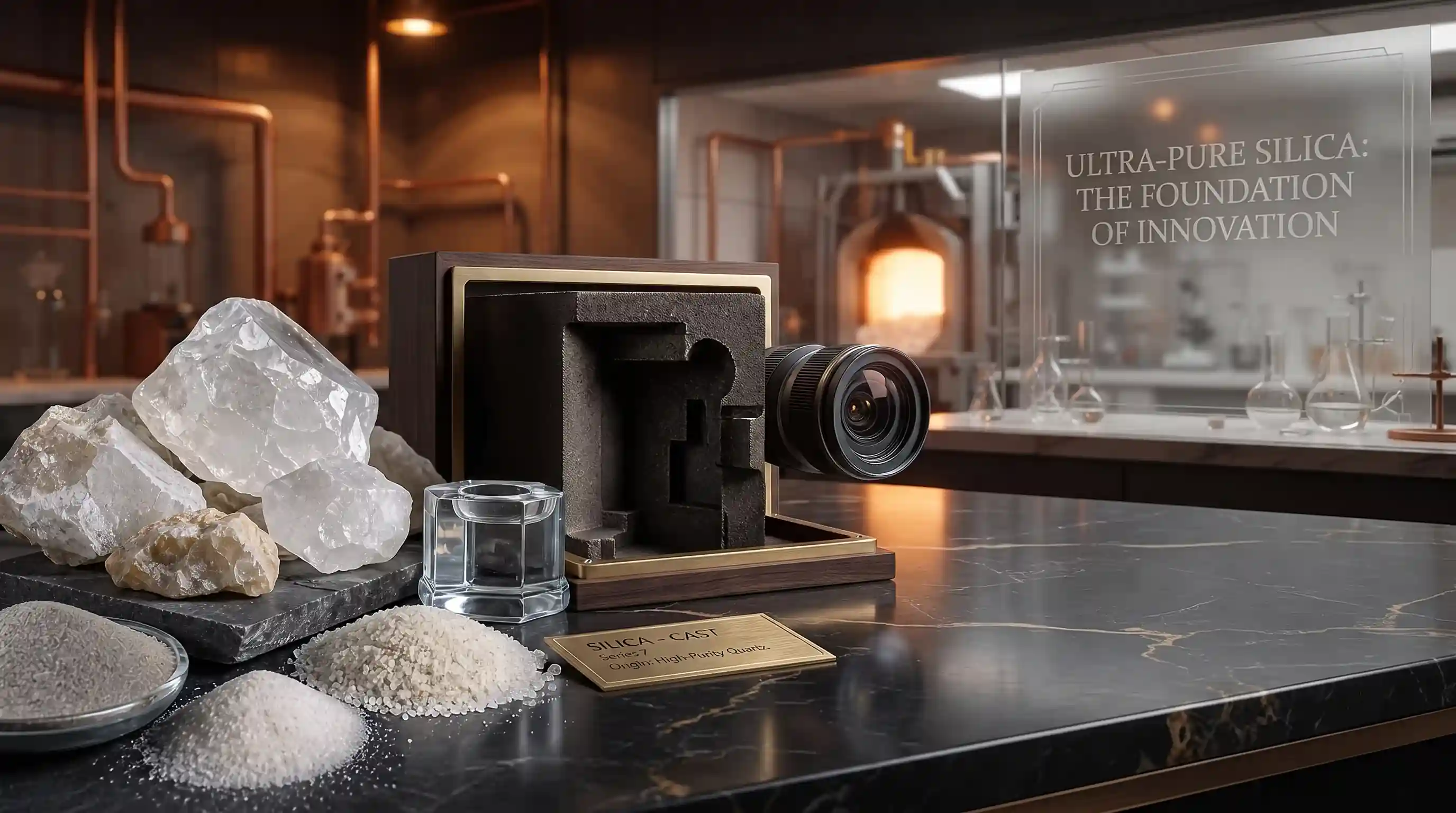
The Role of Silica in Advanced Ceramic and Glazing Industries
An Introduction to the Importance of Silica in Advanced Industries
The mineral silica is recognized as one of the most fundamental and widely used compounds in various industries, playing a key role in advancing modern technologies. Due to its unique physical and chemical properties, this valuable material is used in numerous fields, including glass production, foundry industries, manufacturing ceramic products, and producing construction materials. A precise understanding of this mineral's properties helps engineers and manufacturers significantly improve the quality of their final products and maximize production line efficiency.
Kani Sang Amiran Company, focusing on the principled extraction and processing of minerals, supplies this vital material in diverse and precise grain sizes. The diversity in the mesh range of this product allows for its use in various specialized applications. For instance, in production processes that require specific grain sizes, an accurate understanding of this material can guarantee the output quality. As observed in scientific studies, improving the mechanical properties of final products is directly dependent on the quality of raw materials, and this doubles the importance of carefully selecting minerals.
Advanced ceramic and glazing industries are heavily dependent on the purity and grain characteristics of this material. In this context, the interaction of this material with other mineral compounds such as feldspar and barite can lead to the creation of more resistant and higher-quality structures. For further reading on the role of other compounds in related industries, you can read the article The Role of Feldspar in Increasing Ceramic Body Durability, which examines this topic in greater detail.
In the remainder of this article, we will discuss and examine various dimensions of this material's application in the ceramic, glass, foundry, and construction materials industries, relying on precise technical information and industrial standards, to provide a comprehensive picture of the position of this strategic mineral in the country's industrial economy.
The Fundamental Role of Silica in the Ceramic Industry
The ceramic industry is one of the fields that has the greatest dependency on the mineral silica. This material acts as the main skeleton and the phase that increases thermal stability in the body of ceramic products. When ceramic products are placed in high-temperature firing kilns, the presence of this mineral prevents unwanted deformation of the pieces and keeps their geometric dimensions stable. Also, the appropriate grain size of this material significantly helps in improving body density.
In the production process of engineering ceramics and advanced tiles, precise control of particle size is of particular importance. The mesh range of the products offered varies from 10 to 450 mesh, and this wide spectrum allows manufacturers to formulate bodies and glazes precisely. Coarser particles provide initial mechanical strength, and finer particles help fill voids and create a uniform surface. This grain balance is essential for achieving optimal mechanical and thermal properties.
In addition to thermal properties, the combination of this material with other mineral raw materials such as feldspars plays a decisive role in reducing firing temperature and increasing the vitrification of the body. To learn more about the mechanisms for improving resistance in porcelain and ceramic products, reading the article The Role of Feldspar in Improving Resistance of Porcelain Products is recommended, which provides a detailed analysis of the mutual effects of these materials.
Ultimately, the quality and purity of this mineral determine the water absorption rate, resistance to thermal shock, and flexural strength of ceramic products. Carefully selecting the grain size proportional to the type of product will ensure the quality and long-term durability of ceramic parts in industrial and construction applications.
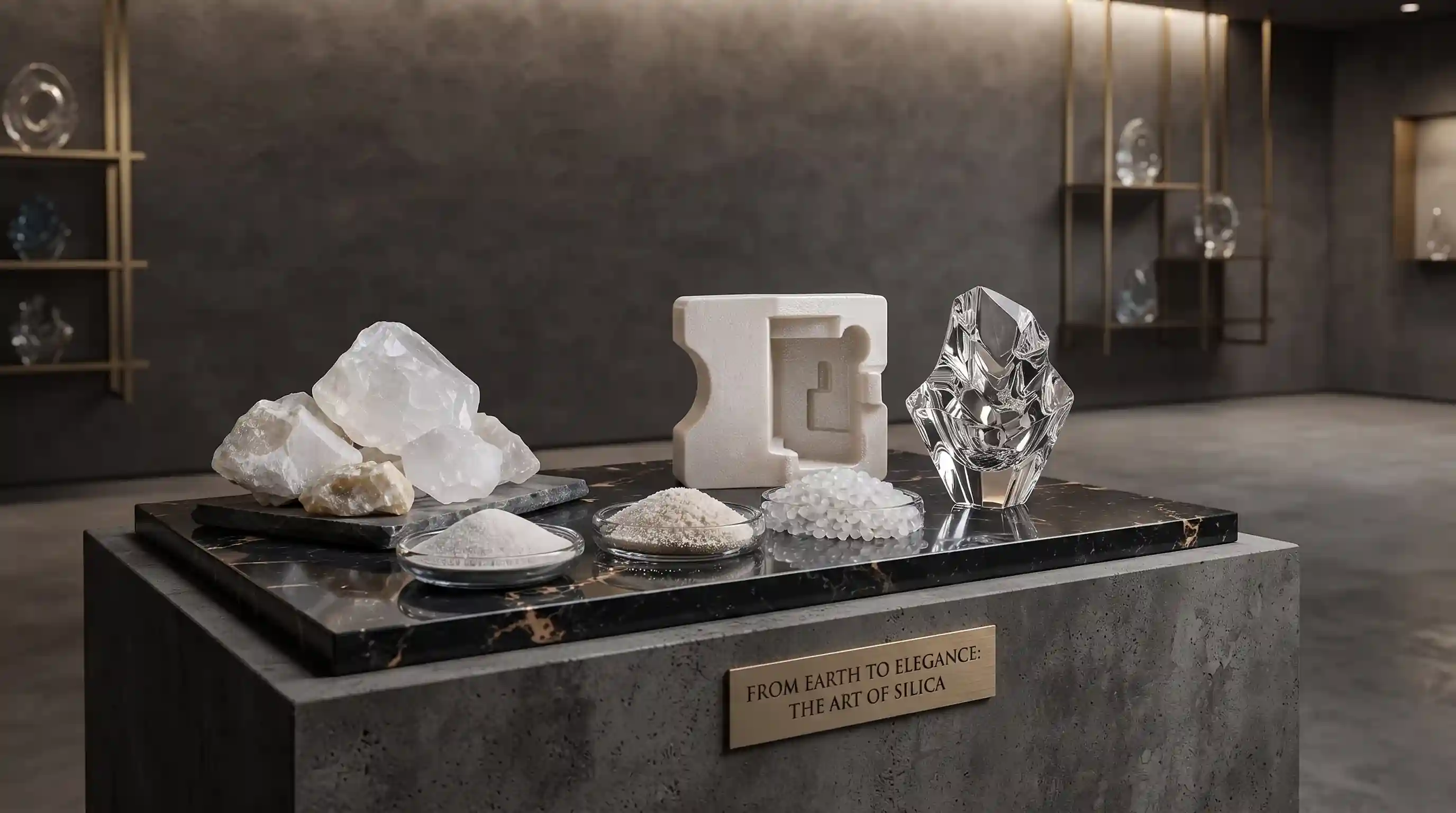
Application of Silica in Glass Production and Glass Products
Glass production is undoubtedly one of the oldest yet most modern applications of the mineral silica. As the main material forming the glass network, this material creates an irregular and stable network that gives glass transparency, chemical resistance, and mechanical durability. In industries producing flat glass, bottles, glass fibers, and laboratory ware, the quality of this material directly affects the clarity and final quality of the product.
The melting process of this mineral in glass kilns requires significant energy, and for this reason, its particle size distribution and purity are of vital importance. Particles with the appropriate mesh increase the melting rate and prevent the formation of gas bubbles in the molten structure. Kani Sang Amiran Company covers the diverse needs of the glass industry by offering this product in a mesh range of 10 to 450.
The combination of this material with other additives in the glass melting furnace leads to the creation of proper viscosity in the melt, which facilitates the forming and shaping of the glass. Precise control of impurities, especially iron oxide, in this material is of high importance for producing clear and colorless glass. Therefore, mineral suppliers must always adhere to strict quality standards in the processing of this product.
With the advancement of glass production technologies worldwide, the demand for products with engineered mesh and stable chemical analyses has increased. By using this high-quality material, industrialists can produce glass with high resistance to extreme temperature changes and chemical corrosion, which is widely used in the automotive, construction, and optical equipment industries.
The Role of Silica in Advanced Foundry Industries
In the foundry industry, silica is known as one of the main components of sand molds and foundry cores. The high melting point of this material and its excellent thermal stability against molten metals have made it the preferred molding sand for casting various ferrous and non-ferrous metals. This material is capable of well withstanding the thermal stresses caused by pouring high-temperature molten metal.
Selecting the appropriate mesh for casting molds has a direct impact on the surface quality of the cast piece and the penetration rate of the molten metal. The 10 to 450 mesh range allows the use of this material in various applications, including backing sands and specialized molding sands. Precise grain sizing results in optimal compaction in the mold, thereby reducing the occurrence of casting defects such as blowholes and sand burn-in.
In addition to sand molds, this material is also widely used in manufacturing refractory coatings for molds as well as in precision casting (lost-wax) processes. Dimensional stability during heating helps in producing parts with very high dimensional accuracy and tight tolerances, which significantly reduces subsequent machining costs.
Furthermore, studying the effects of other minerals on improving the mechanical and structural properties of composites and industrial molds has opened new dimensions in materials engineering. For further reading in this field, you can read the article
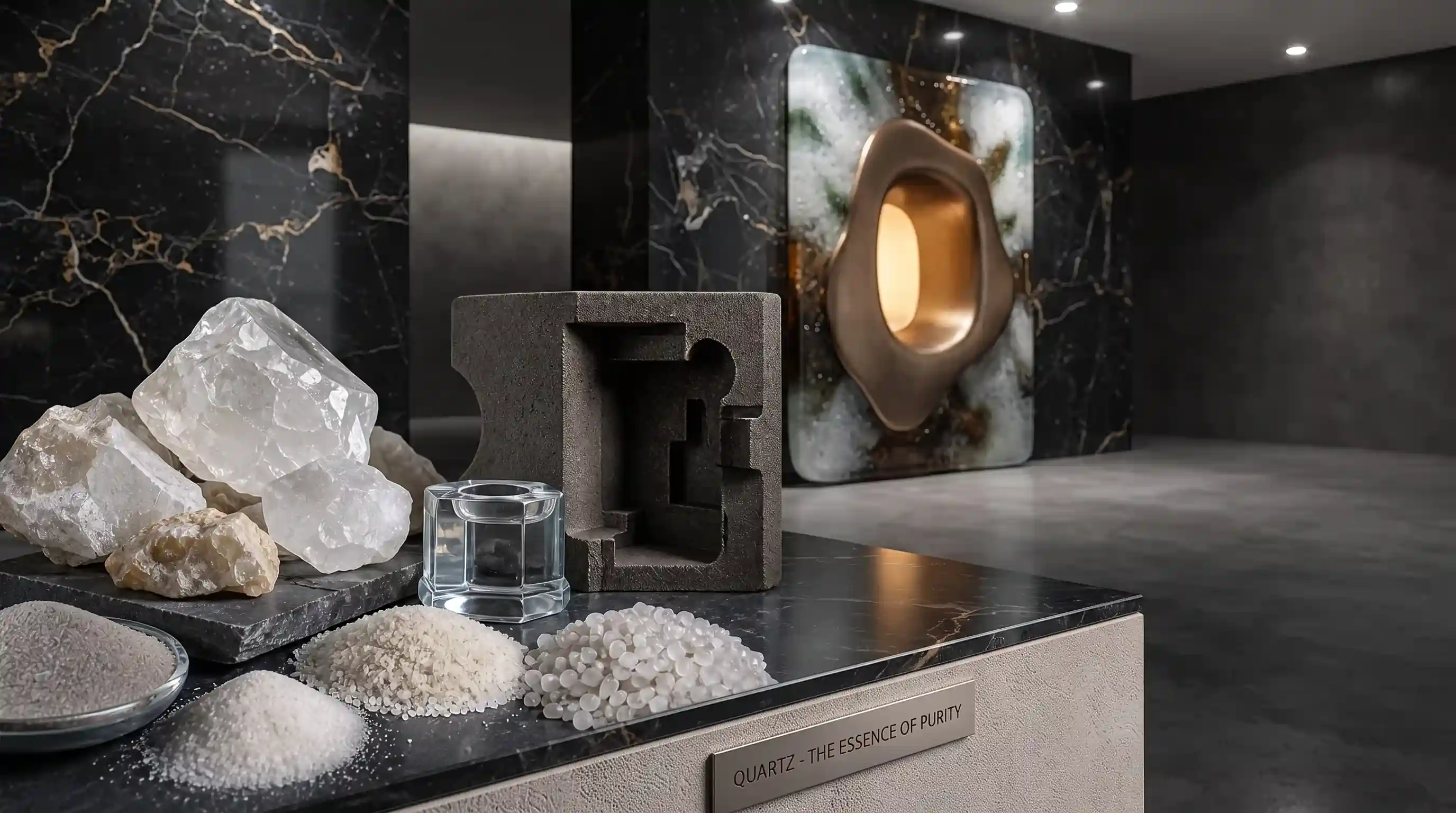
Application of Silica in Construction Materials and Civil Engineering
The construction industry is one of the major consumers of minerals, and in this field, silica holds a special position. This material is used as a filler and aggregate in the production of high-strength concrete, dry mortars, tile adhesives, and various types of industrial flooring coatings. The presence of particles of this material in the cement matrix improves compaction and increases the structure's durability against environmental factors.
In the production of engineering concrete, the particle size distribution of this material plays a key role in reducing the volume of void space, thereby increasing compressive strength and reducing concrete permeability. The diverse mesh range of this product allows civil engineers to optimize the concrete mix design according to project requirements. This is particularly important in concrete structures located in corrosive environments or subject to heavy mechanical stress.
In addition to concrete, this material is also used as a mineral filler in the construction of various waterproof coatings, architectural and industrial paints, and cement-based products. The anti-wear properties and chemical stability of this material increase the lifespan of building materials against mechanical abrasion, sunlight radiation, and atmospheric factors.
By continuously supplying this high-quality mineral for civil and construction projects, Kani Sang Amiran Company plays an important role in promoting construction standards. The use of standard, processed materials significantly reduces the costs of structure maintenance and repairs in the long term.
Technical Specifications and Mesh Range of Industrial Silica
An accurate understanding of the technical specifications and mesh range of silica is the main prerequisite for choosing this material correctly in any industry. The mesh classification of this product indicates particle size and dimensional distribution, which directly influences the material's behavior in production processes. The offered mesh range from 10 to 450 mesh includes a wide spectrum from coarse grains to very micronized powders.
Coarser particles (lower meshes such as 10 to 50 mesh) are mostly used in foundry industries, construction materials, and the production of special concrete where gas permeability, drainage, or aggregate compressive strength are considered. Conversely, finer particles and micronized powders (higher meshes up to 450 mesh) are used in advanced ceramic industries, glazing, glassmaking, and paint manufacturing to improve chemical reactivity and surface uniformity.
Quality control of grain size at the Kani Sang Amiran factory is performed using modern screening equipment to ensure that the final product exactly meets the standards requested by customers. Deviations from the standard mesh range can cause problems such as a drop in glass melting quality, non-uniform firing in ceramics, or defects in mold density in casting.
Design engineers for production lines must choose the most appropriate mesh range based on the type of their grinding equipment, kilns, and molds. Consulting with the technical experts at Kani Sang Amiran can be a proper guide for selecting the most precise technical specifications to achieve the highest production efficiency.
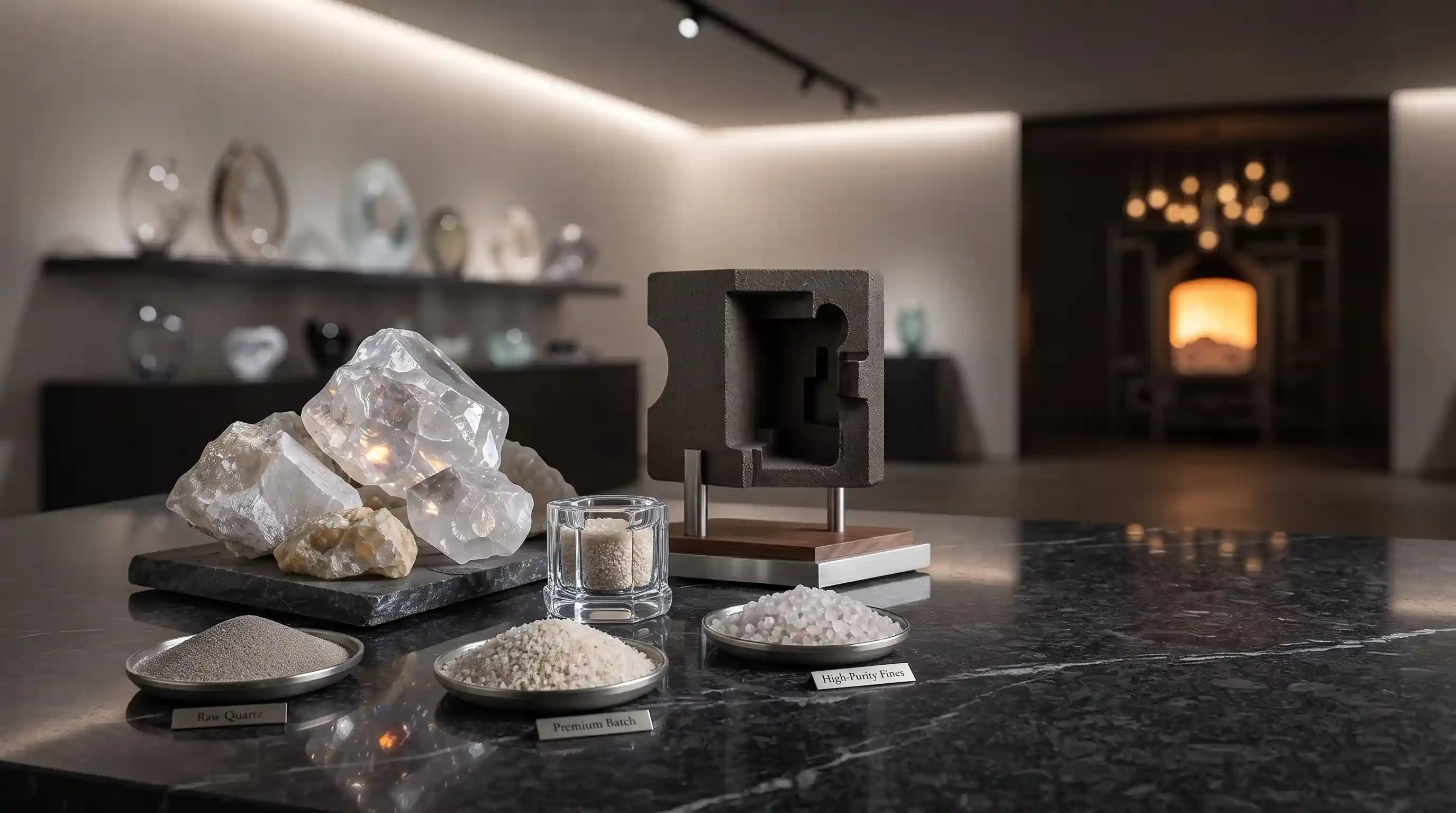
Quality Standards and Silica Processing Control
The final quality of industrial products is entirely dependent on the standards applied during the extraction and processing stages of silica. Since impurities, even in very small amounts, can change the color of glass or disrupt the melting point of ceramics, purification processes such as washing, magnetic separation, and dimensional classification are of paramount importance.
In advanced production lines, continuous chemical analysis is performed to determine the percentage of silicon dioxide and control the levels of interfering oxides such as iron, titanium, and aluminum. This precise control ensures that the final product has the highest level of purity and can be used with confidence in sensitive, high-tech industries.
Diversity in packaging and maintaining product purity during transportation are other key aspects of quality management. Mineral quality reaches the consumer only if regulatory protocols are strictly implemented at all stages of the supply chain, from the mine to the factory. Relying on its experience and expertise in this field, Kani Sang Amiran applies rigorous standards.
Ultimately, investing in modern mineral processing technologies has enabled the production of products with more stable analyses and more precise grain sizing. This helps ceramic, glass, and foundry industries produce higher-quality final products that are competitive in global markets.
Market Outlook and the Future of Silica Applications in Industry
With the ever-increasing development of modern technologies and the need of industries for higher-quality raw materials, the position of silica as a strategic mineral becomes more prominent than ever. Advanced ceramic, electronics, specialty glass, and modern construction industries are moving towards using more precise mesh sizes and higher purity. This trend makes the responsibility of mineral producers heavier in terms of continuous process improvement.
Progress in various industries requires coordination between raw material suppliers and design engineers. Providing customized products with a specific mesh range (10 to 450 mesh) is a response to the diverse needs of today's industrial market. With a strategy of sustainable development and reliable supply of minerals, Kani Sang Amiran Company plays an effective role in supporting national production.
A look at the future shows that modern construction technologies and advanced ceramic and glass industries will require more innovations regarding the properties of raw materials. Continuous research and development in improving the physical and chemical properties of this mineral will be the key to success in future competitive markets.
In sum, this valuable mineral, as the foundation of many fundamental industries, will remain a driving element in the industrial economy. The sustainable and high-quality supply of this product by specialized groups such as Kani Sang Amiran will guarantee the stability and growth of consumer industries.
| Question |
Answer |
| What is silica and what are its applications? |
It is a mineral used extensively in the glass, foundry, ceramic, and construction materials industries. |
| What is the mesh range of Kani Sang Amiran's silica? |
This product is offered in a mesh range of 10 to 450. |
| Why is silica important in the ceramic industry? |
It acts as a thermal stabilizer and the main skeleton of the ceramic body, maintaining the piece's dimensions. |
| What is the role of silica in glass production? |
It forms the main network of the glass and gives it transparency, durability, and chemical resistance. |
| What is the application of silica in foundry? |
It is used in making sand molds and cores due to its high melting point and thermal stability. |
| How is silica used in construction materials? |
It is used as a filler and aggregate in high-strength concrete and dry mortars. |
| Are there types of fine silica mesh for advanced industries? |
Yes, micronized powders up to 450 mesh are supplied for sensitive and glazing industries. |
| How can one be assured of the quality of this material? |
By checking the chemical analysis, purity levels, and the precision in the mesh range specified by the manufacturer. |
| What is the role of other minerals like feldspar alongside silica? |
Feldspar helps reduce firing temperature and promotes vitrification of the ceramic body. |
| Where can we obtain Kani Sang Amiran's products? |
They can be ordered through the official product page on the Kani Sang Amiran website. |
Technical resources and national standards for mineral processing and ceramic industries, Kani Sang Amiran Company.
:: برچسبها:
Silica ,
The Role of Silica in Advanced Ceramic and Glazing Industries ,
:: بازدید از این مطلب : 0
|
امتیاز مطلب : 0
|
تعداد امتیازدهندگان : 0
|
مجموع امتیاز : 0


 عضو شوید
 عضویت سریع
 آمار مطالب
 آمار بازدید


