
How to Use Bentonite as a Binder in Manufacturing?
Introduction to the Importance of Bentonite in Modern Industries and Manufacturing Processes
Bentonite is one of the most important and versatile mineral materials which, due to its unique physical and chemical characteristics, has found a special place in various industries. This clay material, with its excellent swelling properties, high adhesiveness, and cation exchange capacity, plays a key role in optimizing industrial formulations. When it comes to improving the quality of construction, casting, and even drilling, the name of this material comes up as an essential component. At the Amiri Stone Mine project, we deeply understand the importance of supplying this high-quality mineral material and strive to offer the best products with standard technical specifications to the market. For more details about this product, you can visit the dedicated Bentonite page and read its complete specifications.
In this comprehensive article, we intend to thoroughly examine how to use this material as a binder in manufacturing. Modern industrial processes require raw materials that can maintain the structural integrity of products while minimizing production costs. Choosing the right mineral materials has a direct impact on the durability and efficiency of the final product. Therefore, understanding the molecular structure and physical behaviors of this clay helps engineers and manufacturers make the most of its potential in production lines.
Various industries, including ceramics, also benefit from the advantages of mineral materials; for example, studying the article Exploring the Technical Benefits of Using Kaolin in Ceramics provides you with a better perspective on the application of aluminum silicates. However, our main focus in this article is on the specific properties of bentonite and its industrial applications, particularly in the fields of binding and casting. In the upcoming chapters, we will elaborate on the various dimensions of this topic to provide a practical guide for specialists in this field.
Understanding the Structure and Physical Properties of Bentonite in the 200 to 450 Mesh Range
One of the key parameters in determining the quality and efficiency of this mineral material is the particle size, or granulation. This product is typically processed and supplied in the 200–450 mesh range. Due to creating a high specific surface area, this mesh range significantly increases the reactivity of the material and prepares it for sensitive applications. Finer particles with these dimensions can disperse well among other materials, creating a uniform and continuous network that is crucial for binding properties.
The mineralogical properties of this material include the presence of montmorillonite as the primary mineral, which is considered the main factor for swelling when exposed to water. When these particles are exposed to moisture, they absorb water and their volume increases significantly. This physical phenomenon leads to the creation of a strong adhesive force between adjacent particles, which is of paramount importance in casting industries and the production of sand molds. Precise control of granulation within the mentioned mesh range ensures that the final product has maximum efficiency.
In addition, the use of complementary materials is common in various mining and manufacturing sectors. For example, in the building materials and pigments sector, related articles such as How is Red Iron Oxide (Ochre) Used in Brick Manufacturing? provide useful information about the synergy of mineral materials. Understanding these interactions helps engineers achieve the best results in industrial production lines by combining materials correctly and significantly upgrade the quality of final products.
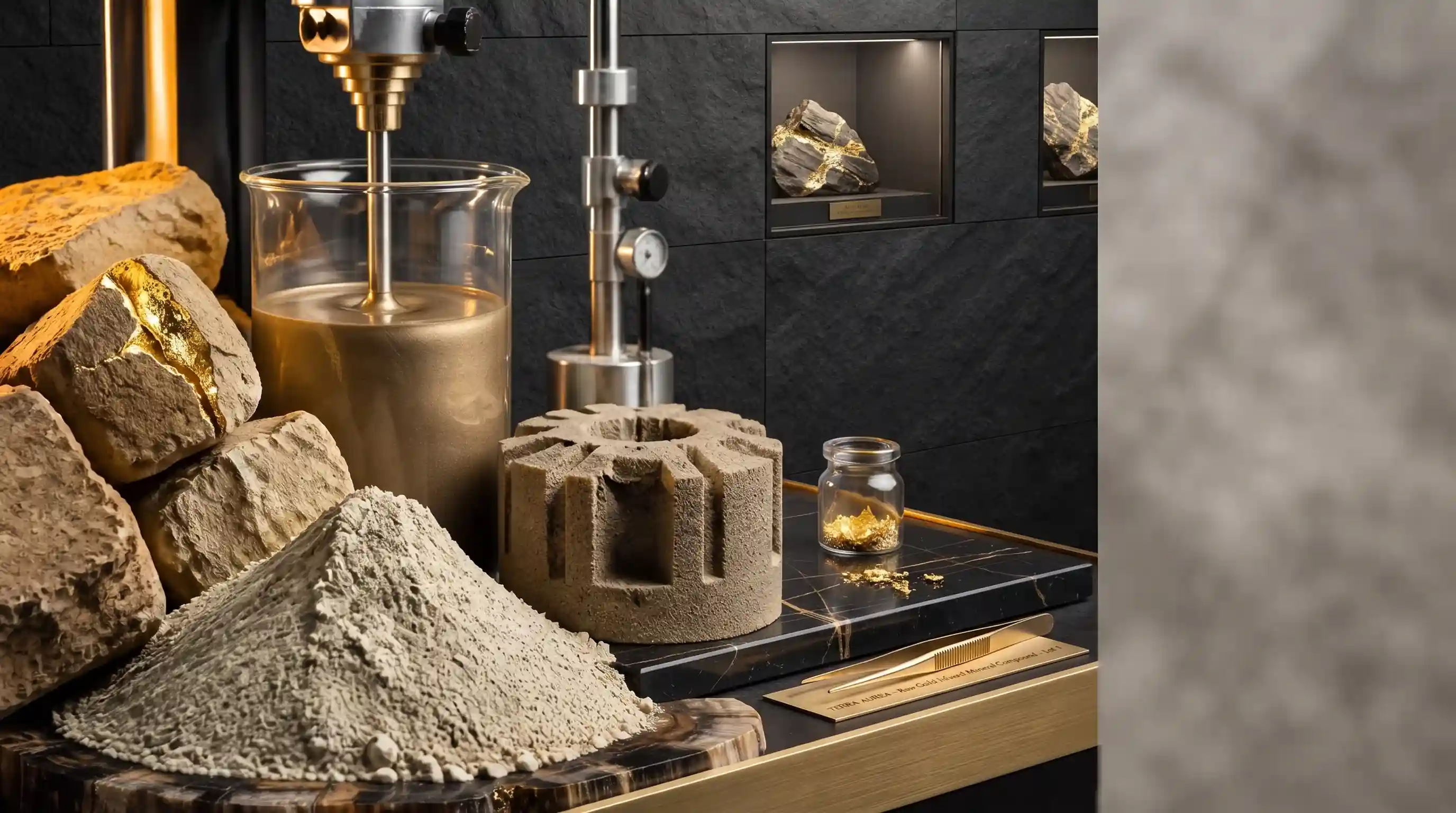
The Role of Bentonite as a Binder in Manufacturing Processes
Functioning as a binder is one of the most well-known industrial applications of this clay. In many production lines, there is a need for an inexpensive, stable, and high-performing mineral adhesive that can bond irregular particles together. By absorbing water and forming sticky gels, this material acts as a connecting bridge between solid particles, drastically increasing the raw mechanical strength. This feature is particularly useful in molding, mineral pelletizing, and the production of compacted products.
Compared to organic and synthetic adhesives, using this mineral material is more economical and demonstrates better thermal stability. In processes where the product is subjected to high heat, organic adhesives may burn or decompose, whereas this material maintains its mineral structure and ensures product integrity even at high temperatures. This extraordinary thermal stability guarantees the final quality of manufactured parts and minimizes production waste.
Alongside this material, other minerals also play a role in improving product quality, which is worth examining. For instance, studying the article The Key Role of Industrial Talc in Improving Manufacturing Product Quality sheds light on new dimensions of the application of filters and fillers. The smart combination of these mineral materials in various industries can lead to the complete optimization of processes and elevate manufacturing quality standards.
Application of Bentonite in Foundry Industries and Sand Mold Manufacturing
Foundry industries are among the major consumers of this mineral material. In this industry, for the construction of sand molds that must withstand the weight of molten metal, an adhesive is needed that both has good formability and remains resistant to the intense heat of casting. By mixing with foundry sand and a specific amount of water, this material creates a moldable, high-strength mixture that easily takes the shape of the model.
The mechanism of action in casting is such that layers of water are placed between the crystal plates of this material, providing the necessary adhesion between the sand grains. After pouring the molten metal, although the existing moisture evaporates, the mineral bonds formed are strong enough to keep the mold in shape until the metal solidifies. This vital feature prevents mold deformation, allowing cast parts to be produced with the highest dimensional accuracy.
Choosing the right mesh in this application is of great importance. Using standard granulation within the 200–450 mesh range ensures that the distribution of the adhesive among the sands is carried out completely homogeneously. This homogeneity prevents defects such as gas cavities or mold wall collapse, significantly increasing the overall efficiency of casting workshops.

Application of Bentonite in Drilling Fluids and Well Stabilization
Another vital and widespread application of this mineral material is its use in drilling fluids. Water-based drilling mud, containing specific amounts of this clay, plays multiple roles in oil, gas, and water well drilling operations. Among the most important tasks of this fluid are cooling the drill bit, transporting drill cuttings to the surface, and stabilizing wellbore walls.
The special rheological properties of this material allow the fluid to turn into a gel state at rest, preventing drill cuttings from settling, while reducing viscosity during pumping and movement to ensure smooth circulation. This non-Newtonian behavior protects the wellbore against collapse. The hydrostatic pressure generated by the drilling mud containing this material prevents formation fluids from entering the well.
In civil engineering projects and deep drilling, the quality of the drilling mud directly affects the speed and safety of the project. Using products with high swelling properties and defined quality standards reduces the operational error coefficient. By supplying this high-quality product, the Amiri Stone Mine project has met the needs of the country's drilling industries for a reliable and efficient raw material.
Bentonite as an Adsorbent Material: Mechanisms and Industrial Applications
The high capacity for moisture and ion adsorption makes this mineral material an efficient adsorbent in many industries. The porous structure and wide specific surface area of the particles of this material make it possible to trap water molecules, organic compounds, and various ions. This feature has numerous applications in wastewater treatment, bleaching of industrial oils, and as a desiccant bed in packaging.
In purification and refining processes, the capability of impurity adsorption by this material helps improve the clarity and purity of liquid products. Additionally, in agriculture and livestock industries, the moisture and toxic gas adsorption properties of this material are used in animal bedding or for improving water retention in agricultural soils. This multipurpose application further highlights the economic value of this mineral material.
Quality control and precise processing of this material are essential to preserve its adsorption capacity. The thermal and mechanical processes applied in the factory must be such that the layered structure of the mineral is not destroyed. Supplying this material with standard technical specifications through reliable sources guarantees its performance in adsorption processes.
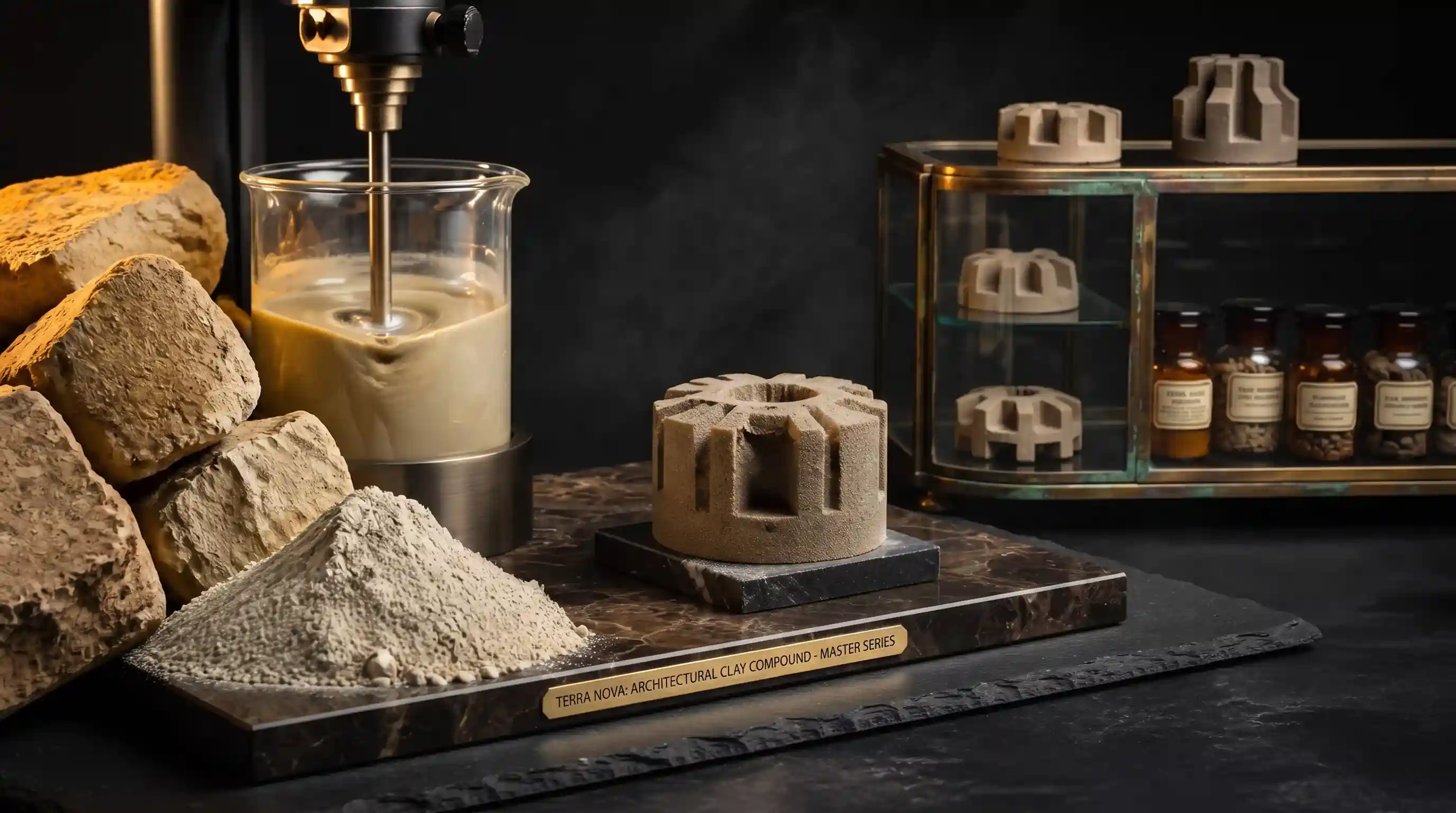
Technical Tips and Safety Guidelines in Bentonite Storage and Consumption
To achieve the best results when using this mineral material, observing technical storage tips and safety principles during work is essential. Since this material has a strong tendency to absorb moisture, it must be stored in dry, covered warehouses away from direct moisture. Prolonged exposure to air and moisture can cause clumping and a drop in its swelling and binding quality.
When working with micronized powders of this material in industrial workshops, the emission of airborne particles can be hazardous to the respiratory system of workers. Therefore, using appropriate personal protective equipment, including anti-dust masks, safety goggles, and proper ventilation in the workplace, is mandatory. Observing these safety standards preserves worker health and provides a safer working environment.
Additionally, performing initial quality control tests on incoming shipments, such as checking moisture content, mesh distribution, and free swelling tests, helps operators ensure compliance with required standards before the material enters the production line. This proactive approach prevents serious problems during the manufacturing process.
Market Outlook and Economic Benefits of Using Bentonite Produced by Amiri Stone Mine
The mineral consumption market has experienced significant growth in recent years, and various industries have increasingly leaned toward using high-quality domestic resources. Using this material as an economical and efficient alternative to many expensive binders and chemicals brings high economic justification for manufacturers. Stable access to high-grade raw materials is the key to maintaining production in today's competitive industries.
Relying on up-to-date technical knowledge, principled extraction from rich mines, and a precise micronization process in the 200–450 mesh range, the Amiri Stone Mine project offers a high-quality and homogeneous product to various industries. Focusing on strict control of quality parameters has enabled this product to show brilliant performance in demanding applications such as drilling fluids and casting.
Ultimately, the smart choice of raw mineral materials, especially using this valuable material, not only guarantees the technical quality of final products but also significantly optimizes final production costs. Valued manufacturers can visit the Amiri Stone Mine website for more information and to place orders, benefiting from the specialized consultations of our experts.
| Question |
Answer |
| What is bentonite and what are its applications? |
It is a clay mineral material with high swelling and adhesive properties used in drilling, casting, adsorption, and binding. |
| What is the mesh range of the supplied product? |
This product is processed and supplied in the 200–450 mesh range. |
| Why is this material used as a binder? |
Due to its ability to form a gel when exposed to water, create strong bonds between solid particles, and provide excellent thermal stability. |
| What is the main application of this material in casting industries? |
For manufacturing strong and moldable sand molds that retain the shape of the model. |
| What is the role of bentonite in drilling fluids? |
Stabilizing wellbore walls, cooling the drill bit, and transporting drill cuttings to the surface. |
| What are its storage and warehousing conditions? |
It must be stored in a dry, covered environment away from direct moisture to prevent clumping. |
| Does this material have adsorbent properties? |
Yes, due to its high specific surface area, it has an excellent capacity for adsorbing moisture and impurities. |
| What are the safety tips when working with the powder of this material? |
Using a respiratory mask, safety goggles, and proper ventilation to prevent dust inhalation. |
| How can this product be obtained? |
It can be ordered through the dedicated product page on the Amiri Stone Mine project website. |
| What is the economic advantage of using this clay? |
Affordable price, stable access, and an excellent alternative to expensive synthetic binders. |
Specialized references in economic geology, soil mechanics reference books, and industrial standards for the application of mineral clays.
:: برچسبها:
Bentonite ,
How to Use Bentonite as a Binder in Manufacturing? ,
:: بازدید از این مطلب : 0
|
امتیاز مطلب : 0
|
تعداد امتیازدهندگان : 0
|
مجموع امتیاز : 0


 عضو شوید
 عضویت سریع
 آمار مطالب
 آمار بازدید


